

Brick Pointing for Heritage Buildings: A Complete Guide
Maintaining the brickwork of a heritage property is not just about appearance – it’s a critical part of preserving a building’s structural integrity and historical value. Proper brick pointing, using traditional techniques and materials, helps repair any existing problems and stops long-term damage from progressing further. Historically sensitive pointing is crucial because using incorrect materials – such as cement mortars – can trap moisture within the wall, causing irreversible damage to the bricks.
Read on to discover everything you need to know to protect your historic building when repointing, so you can protect the structure and beauty of its brickwork for generations to come.
Please note: This guide offers general information and should not be relied upon as advice for individual projects. Always consult a conservation-accredited professional to assess the specific requirements of your property. Timelines and methods will vary depending on the building’s age, location, condition, complexity and the size of the area to be repointed.
What is brick pointing and why does it matter for heritage buildings?
Brick pointing means replacing the outer layer of mortar between bricks. Mortar acts like the cushion in brickwork, holding everything together and letting the wall breathe and flex. In heritage buildings, this is especially important as the building settles and gradually shifts as it ages. Mortar is, by nature, sacrificial and made purposefully softer than the bricks so as to absorb damage over time and protect the more expensive (and important) brickwork.
As mortar ages, it breaks down naturally from exposure to rain, frost, pollution, and general wear. If old, damaged mortar is left in place, water can seep into the joints, leading to serious problems like cracked or crumbling bricks, damp patches inside the building, and even major structural issues. Regular repointing using the right materials prevents this kind of damage and helps keep the building strong, dry, and looking its best.
Traditional brickwork relies on lime mortar, which is flexible and porous, enabling moisture to evaporate rather than becoming trapped. You can read more about lime on the SPAB website. The bricks used in heritage buildings are also typically softer and more porous than modern bricks, meaning they rely heavily on the right mortar to manage moisture and movement effectively. Repointing using traditional methods ensures that the historical character and structural health of the building are preserved.

“Having seen first hand the damage that can be caused by applying inappropriate, cement-based mortar mixes to historic properties around the UK, we are passionate about communicating to our clients the need for breathable, lime-based mortar products to provide long-term protection to the structure.”
Matthew Amis, Six Heritage co-founder and specialist building surveyor

Recognising the need for brick repointing
Spotting early signs of mortar deterioration in old brick walls can save you thousands in future repairs, so it’s worth surveying your property once a year to check for signs of wear and tear. Regular checks help catch small issues before they become major problems.
Signs your heritage building needs repointing:
- The mortar crumbles when scraped with a key (it’s best to test several areas to determine if this is the case).
- Gaps appear between bricks.
- You can see loose, cracked, powdery, or missing mortar.
- Previous cement repairs are causing visible brick damage.
- Water ingress through the brickwork or internal damp patches are apparent.
- Vegetation is growing in mortar joints.
Ignoring these symptoms can lead to bigger issues like brick spalling – where the surface of the brick flakes, cracks, or breaks off due to trapped moisture and frost damage – as well as internal damp and even major structural movement.
The repointing process for heritage properties
Proper repointing isn’t a cosmetic facelift – it’s a technical preservation job. That’s why it’s crucial to employ a contractor who understands heritage buildings and the traditional materials they require. Without the right expertise, even well-intentioned repairs can cause more harm than good. DIY repointing is rarely appropriate for listed or historic buildings, as incorrect mortar mixes and non-traditional methods can accelerate decay.
It’s also worth checking whether your home insurance is suitable for a listed or historic building. Heritage-specific insurance can offer more appropriate coverage, especially when it comes to repairs or restoration. For advice on your options, the Listed Property Owners Club (LPOC) offers support and guidance to members, including help finding insurers who understand the needs of protected buildings.
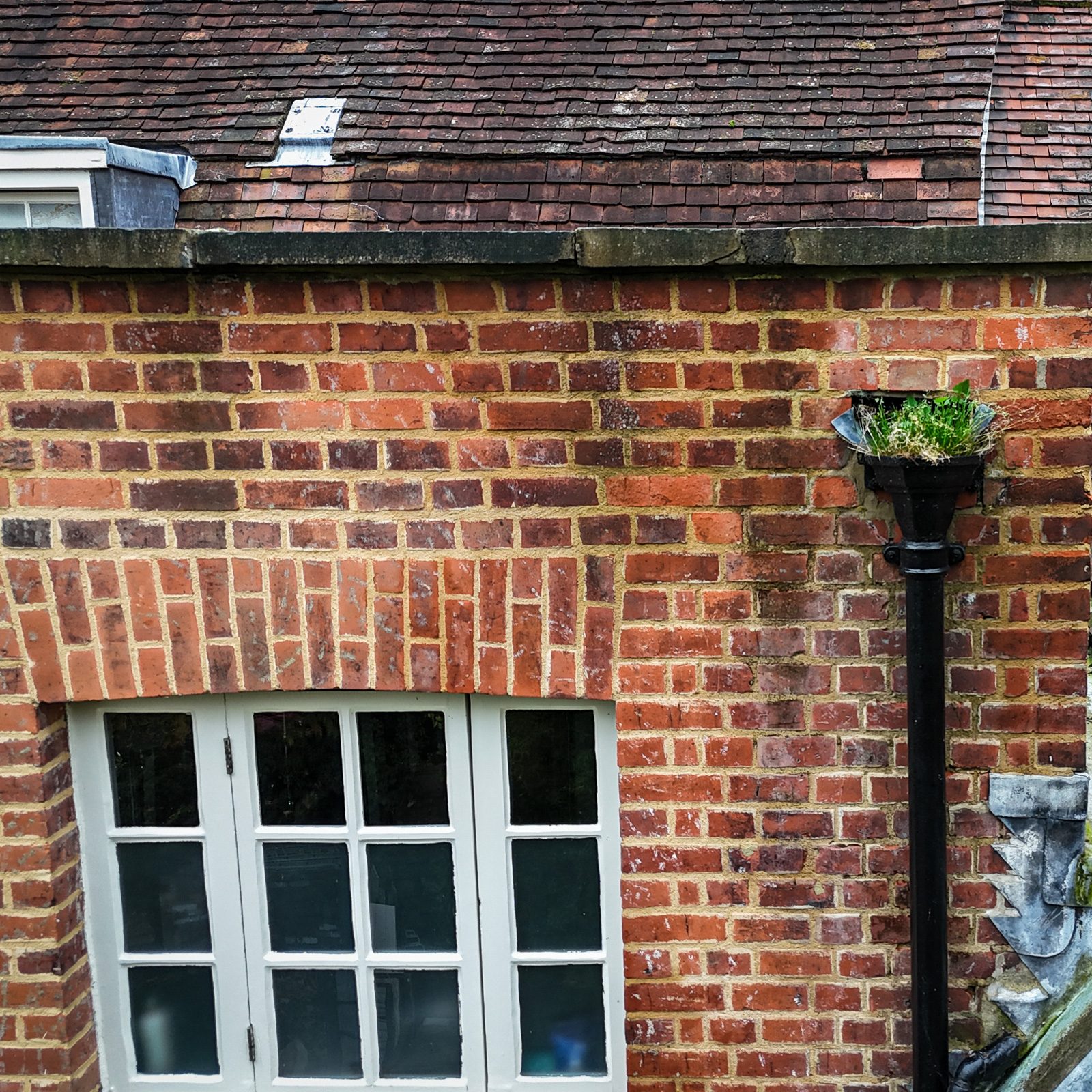
The Steps
1. Assessment
2. Careful Removal
3. Cleaning
4. Mixing Mortar
5. Repointing
6. Finishing
Profile the joints appropriately for the building’s era. This means shaping the new mortar to match the style and depth originally used when the building was constructed. Different periods used different joint profiles – for example, flush, recessed, or beaded finishes – and getting this right helps preserve the building’s historic character and appearance.
Common questions during the repointing process
What’s the difference between tuckpointing and repointing?
Tuckpointing, a decorative finish, involves applying two different mortar colours to imitate precision brickwork. It’s suitable for heritage buildings when matching an original aesthetic, but requires high skill.
Can you repoint heritage bricks in winter?
Proceed with caution. Lime mortar is vulnerable to frost before it fully cures. Freezing temperatures can cause it to fail. It’s best to repoint in warmer, drier months unless protective measures are in place.
How should the work be protected during repointing?
It’s important to shield the areas being worked on from the elements. Use breathable covers like hessian or blankets to protect lime mortar as it cures. If the weather is particularly wet or windy, plastic sheeting can also be used for extra protection – just make sure it’s well-ventilated to avoid trapping moisture.
How often should heritage brickwork be repointed?
Typically every 30 to 100 years, depending on weather exposure, material quality, and building location.
How long does repointing take?
Timelines vary depending on the complexity of the building and the size of the area that needs to be repointed. For example, repointing parts of a single Victorian terrace might take several days to several weeks, while extensive work on a large estate or church could span several months. Complex heritage sites like cathedrals or historic monuments often require phased work over years. Always consult a heritage professional to get a realistic estimate for your property.
Consent Requirements
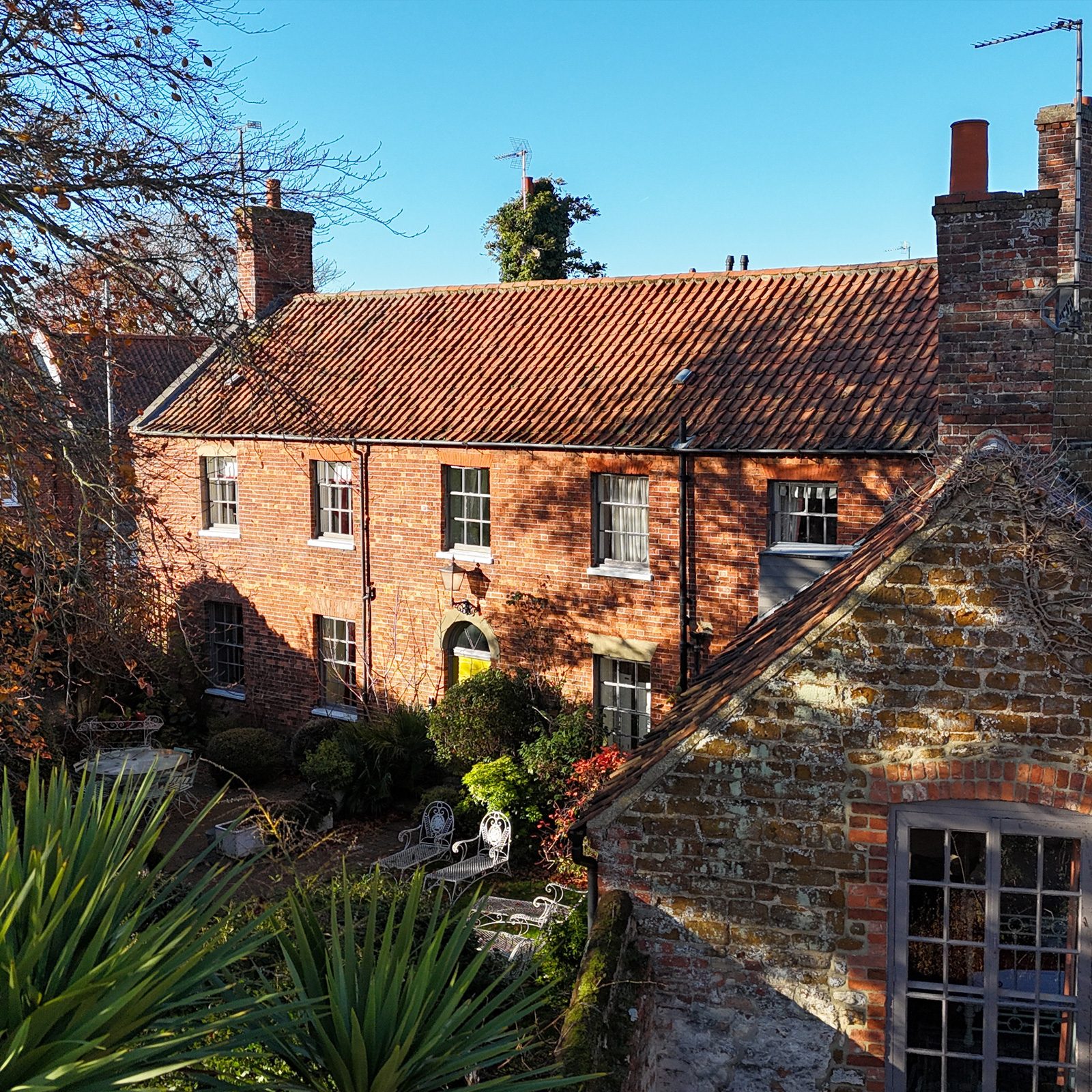
For listed buildings, repointing may require Listed Building Consent, even if using lime mortar. Before starting any work, speak with your local conservation officer. They can advise on the permissions required and make sure that your plans meet local heritage regulations.
It’s also wise to keep detailed photographic and written records of the building’s current condition, proposed repairs, the work carried out, and the materials and contractors used. These records are really useful for future reference and show that you’ve taken a careful, responsible approach. Skipping the proper approvals or using the wrong materials could land you with enforcement notices or expensive repairs down the line.
So, why do you need to seek advice before repointing heritage buildings?
Protecting the historical integrity of the building is of the utmost importance when dealing with a listed or historic property. Using appropriate materials and skilled techniques helps preserve the original look and ensures that repairs blend in rather than stand out. While careful, appropriate repointing by experienced craftspeople may not affect the special interest of the building, and therefore might not require Listed Building Consent (LBC), it’s always best to confirm with your local planning authority before proceeding. Changing the ‘character’ of a listed building without permission is prohibited under the Planning (Listed Buildings and Conservation Areas) Act 1990 and can lead to enforcement action. Seeking professional advice at an early stage is key to avoiding problems.
Learn more about Listed Building Consent in Historic England’s Advice Note 16.

Using traditional materials for repointing
Getting the materials right is key to keeping historic brickwork in good shape. The wrong products can cause long-term damage, but the right ones help protect both the look and structure of your building.
Before choosing a particular repair material or methods, you or your contractor should refer to BS 7913:2013 – the British Standard for the conservation of historic buildings. For further technical insight, MIA Data Sheet 21 offers guidance on mortar mix selection, performance characteristics, and application methods suitable for historic masonry. It’s a helpful resource when discussing options with your contractor or specifying materials for a listed property.
The role of lime mortar:
- Lime allows for slight movement without cracking.
- Lime promotes moisture evaporation, preventing damp issues.
- Lime reduces salt crystallisation inside bricks.
The dangers of using cement:
- Cement traps moisture, causing bricks to crack.
- Cement is harder than historic bricks, leading to accelerated decay.
Salts in mortar
Hygroscopic salts are salts that absorb moisture from the air. When present in mortar, they can draw water into the wall even without direct rainfall, leading to persistent damp issues. Hygroscopic salts draw moisture, creating damp problems. A conservator may recommend specialised lime mixes to address this.
In some cases, hot-mixed lime mortars or even clay mortars may be more appropriate, especially for buildings constructed before the widespread use of hydraulic lime. These alternatives are often chosen based on the building’s age, region, and historical context. For example, hot-mixed mortars may more closely match the original mortar in some areas, and are able to survive winter conditions well. Similarly, clay mortars were used in many parts of Scotland until the mid-19th century, offering resilience, flexibility and authenticity.
Mortar matching
Mortar colour matching won’t be perfect due to natural aging, but it’s important to match it as closely as possible to the original to maintain the building’s overall look and feel. In most heritage properties, the original mortar was mixed using local sand, resulting in significant differences from area to area. For example, Yorkshire buildings often used an orange lime mortar, while in Bath, a pale yellow or off-white was more common. Repointing with a noticeably different shade can stand out and detract from the historic appearance of the property. A specialist can help achieve the closest, most sympathetic match.
Debunked myths about traditional repointing materials
Myth: Lime mortar is weaker than cement.
Fact: Lime gains strength over time and flexes with movement, making it more durable in heritage structures.
Myth: Repointing is purely cosmetic.
Fact: Failed mortar joints can lead to serious structural instability, making repointing essential for safety.
Myth: Any builder can do it.
Fact: Repointing heritage brickwork requires specialist knowledge of traditional materials and conservation techniques to avoid damaging the structure.
Myth: Lime mortar is outdated and inefficient.
Fact: Lime mortar is still the best option for repairing heritage buildings due to its breathability and compatibility with older materials.
Myth: Repointing should be done in dry weather only.
Fact: While dry conditions are ideal, repointing can be done in less favourable weather, as long as the curing process is managed properly.
Myth: Modern cement-based mortars are a good replacement for lime.
Fact: Cement-based mortars are too rigid and can cause damage to older structures by trapping moisture.
Myth: Repointing is only needed when the mortar is visibly damaged.
Fact: Early signs of deterioration, even if subtle, can lead to structural problems later if not addressed.
Selecting skilled heritage professionals
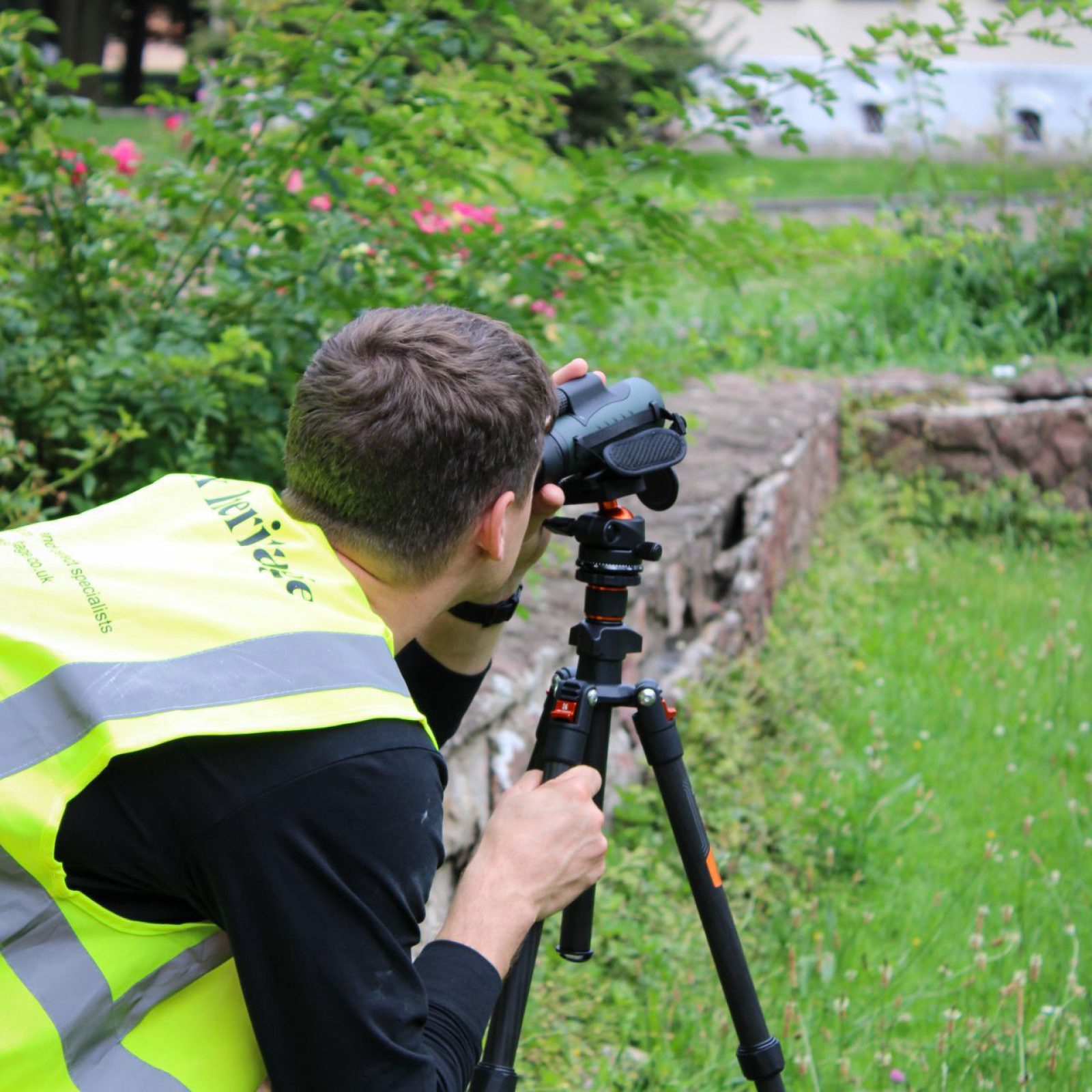
Choosing the right contractor for work on your historic building is essential.
What to look for:
- SPAB (Society for the Protection of Ancient Buildings) training or IHBC (Institute of Historic Building Conservation) membership.
- Experience with historic (pre-1919) and listed properties and a portfolio to demonstrate this.
- Good references from past conservation projects.
- Knowledge of the planning permission process for your type of property.
Red flags
- Suggesting Portland cement for pre-1919 buildings.
- Using mechanical grinders or power tools to remove old mortar.
- Lack of specific heritage training, or a limited portfolio of conservation work.
- Dismissing the need to check or obtain Listed Building Consent.
Working with specialists ensures compliance with legal requirements and preserves your building’s authenticity. At Six Heritage, our team has extensive experience working with listed and historic buildings, combining traditional craftsmanship with an understanding of modern conservation standards. Our approach is fully tailored to each case, helping owners achieve the best results while protecting the irreplaceable architectural character of their property.
“Repointing a heritage building demands a deep understanding of traditional materials, historic construction techniques, and conservation principles. Choose a contractor who can bring decades of hands-on experience and a genuine respect for each building’s unique story.”
Patrick Hughes, Six Heritage co-founder and historical building remedial advice expert
The benefits of proper brick pointing
Here are some significant advantages of repointing heritage brickwork the right way:
- Preserves historical integrity. Traditional repointing helps retain the original craftsmanship and traditional materials that give heritage buildings their unique character and historical significance.
- Enhances structural stability. This helps protect the building against moisture penetration, structural movement, and frost damage, which can all seriously impact the long-term condition of historic masonry.
- Boosts visual appeal. Proper repairs help maintain the authentic beauty of your property, ensuring that any repairs blend in with the original design rather than stand out.
- Saves costs. Repointing using traditional materials prevents expensive future repairs by addressing issues early.
- Meets legal obligations. Good planning ensures your property complies with conservation laws and heritage protection regulations, avoiding fines or forced remedial work.

What to do next
If you own a heritage property, inspect your brickwork regularly. Look for signs of mortar deterioration and act early. Engage qualified professionals who respect and understand historic buildings. Using traditional materials and methods today means preserving the beauty and integrity of your building for generations.
You can also read more about repointing brick and stone walls from Historic England and learn about the difference between lime renders and cement renders from the SPAB. If you’re looking for expert advice or support with your own heritage property, the team at Six Heritage are happy to help. We specialise in traditional building conservation and bring together practical know-how, years of professional experience, and postgraduate-level training in historic building conservation. Every member of our team holds at least an MSc in the subject, equipping us to combine academic insight with hands-on expertise to deliver sensitive, informed care for period properties.

Matthew Amis, BA, MSc, MCIOB
Building Pathologist & Material ScientistMatthew is a Chartered Member of the CIOB with a Master’s degree in Historic Preservation and over five years’ experience in building pathology across the UK. He specialises in investigating damp, timber decay, and material failures in heritage structures. His expertise combines scientific diagnostic techniques with conservation principles to support repair strategies that protect historic fabric.