

Understanding Retrospective Listed Building Consent
Purchasing a listed building isn’t just about owning a piece of the past – it’s about taking on the responsibility of preserving it. These special properties brim with character and historical value, but their protection under planning law helps to maintain their legacy for future generations. That means any changes to a listed building – inside or out – must be approved in advance. But what happens when work is carried out without consent, whether by mistake, lack of awareness, or as a result of previous ownership? That’s where retrospective listed building consent comes in.
This guide explains what retrospective consent is, when you might need it, and how to go about applying for it – along with the potential risks, consequences, and expert advice to help you stay on the right side of the regulations.
What is retrospective listed building consent?
Retrospective listed building consent (LBC) is an application made after work has already been carried out on a listed property without obtaining prior permission. It’s a way of regularising unauthorised changes once they’ve already occurred – but it’s not a guaranteed fix. Local planning authorities (LPAs) assess retrospective applications using the same criteria as they would for a standard LBC application, and approval isn’t automatic.
Retrospective consent is often required when:
- Work was done by a previous owner without consent.
- Changes were made during urgent repairs or renovations without checking if permission was needed.
- There was a misunderstanding about what required consent (e.g. internal changes or like-for-like replacements).
If you suspect unauthorised changes have been made to your property – even before you bought it – it’s important to act quickly and seek expert advice.
“Councils tend to view ‘I didn’t know’ arguments sceptically, but showing willingness to put things right can make all the difference.”
Patrick Hughes, Six Heritage co-founder


Why compliance matters
Listed buildings are legally protected under the Planning (Listed Buildings and Conservation Areas) Act 1990. Any unauthorised works – however minor – are considered a criminal offence. You could face significant penalties including prosecution, up to two years in prison, unlimited fines, or being required to reverse the work at your own expense.
This is sometimes referred to as a ‘double jeopardy’ risk: even if you pay a fine, you may also be legally required to undo the changes at your own cost, which can be financially and emotionally draining.
Mortgage providers are often wary of properties with unauthorised alterations. They may require retrospective consent to be granted before agreeing to lend, or demand that remedial work is carried out ahead of completion. This can slow down the sales process or put it at risk altogether.
Plus, even if a mortgage isn’t required, most buyers will have reservations about purchasing a listed property that has unauthorised works due to the risk of prosecution and enforcement action.
Likewise, insurance providers may refuse to pay out on claims linked to unauthorised alterations, especially if the changes compromise the building’s structure or increase risk. Some may even void policies altogether, leaving owners without cover when they need it most.
Common consequences of unauthorised changes include:
- Enforcement notices requiring costly remedial work.
- Legal action or criminal prosecution.
- Lower property value or difficulty securing a mortgage.
- Issues with insurance or resale of a property.
The law does not recognise a ‘four-year rule’ for listed buildings, meaning there is no time limit after which unauthorised work becomes legal. Even if it happened decades ago, it can still be enforced.
That said, LPAs do make a distinction between deliberate concealment and honest mistakes. If you’ve inherited a problem or discovered work that predates your ownership, acting within 28 days and cooperating fully with conservation officers demonstrates good faith.


How to apply for retrospective consent
The process for retrospective consent mirrors a regular listed building consent application, with the key difference being that the work has already been done. Here’s what to expect:
Step-by-step guide
- Seek professional advice. A heritage surveyor (like Six Heritage) or architect can assess whether the work requires consent and advise on the best course of action.
- Contact your local planning authority. Speak with the conservation officer to explain the situation and request guidance.
- Prepare your application. This should include a detailed description of the works carried out, justification for the changes, and a heritage impact assessment if required.
- Submit documentation. See the checklist below.
- Await a decision. LPAs generally aim to decide within 8 weeks, but complex cases can take longer.
Documents needed for your application
Before submitting your application, make sure you’ve gathered the necessary supporting documents:
- Site plan and location plan
- Design and access statement
- Heritage impact assessment (where applicable)
- Before-and-after photographs (if available)
- Existing and proposed drawings or annotated photos
- Planning statement or justification for the works
- Technical reports from experts (if relevant)
- Details of contractors who carried out the work, and when it was done
- Description of materials and methods used
- A statement of your interest in the listed building (e.g. ownership) and any interest of any other person
If your local authority offers a pre-application advice service, it is often a good idea to take advantage of it. This allows you to discuss the details of your application with the local authority and identify any gaps in your documentation before you submit it.
Costs vary by local authority, but application fees are typically low. However, the cost of preparing reports, drawings and remedial work can be substantial.
“Photograph everything – even debris can help prove what the original fabric looked like. Documentation is key.”
Matthew Amis, Six Heritage co-founder


What if consent is approved?
If retrospective consent is granted, it means the unauthorised works are formally accepted by the local planning authority and no further action is required. While this can be a huge relief, approval may still come with conditions – such as requiring additional documentation or monitoring future changes more closely. In some cases, you may be asked to carry out minor adjustments to help the alterations align more closely with conservation principles.
Securing retrospective consent can also help protect your property’s market value, reassure mortgage lenders, and restore your insurance coverage. It’s a crucial step in regularising your building’s legal status and protecting its heritage for the future.
What if consent is refused?
If retrospective consent is denied, you may be legally required to reverse the changes or carry out remedial work. In some cases, you can appeal the decision, though success rates vary. Particularly invasive or unsympathetic alterations – such as uPVC windows in a listed Georgian property – are more likely to be rejected.
You may also face enforcement action, including criminal prosecution. Fines can be unlimited under the current sentencing guidelines. It’s also important to note that the ‘four-year rule’ – which applies to some planning breaches – does not apply to listed buildings. This means unauthorised work can be enforced against at any time, regardless of how long ago it was done.
Some councils, especially in urban areas, have more resources and are quicker to enforce. Others may be slower but still retain full legal authority.

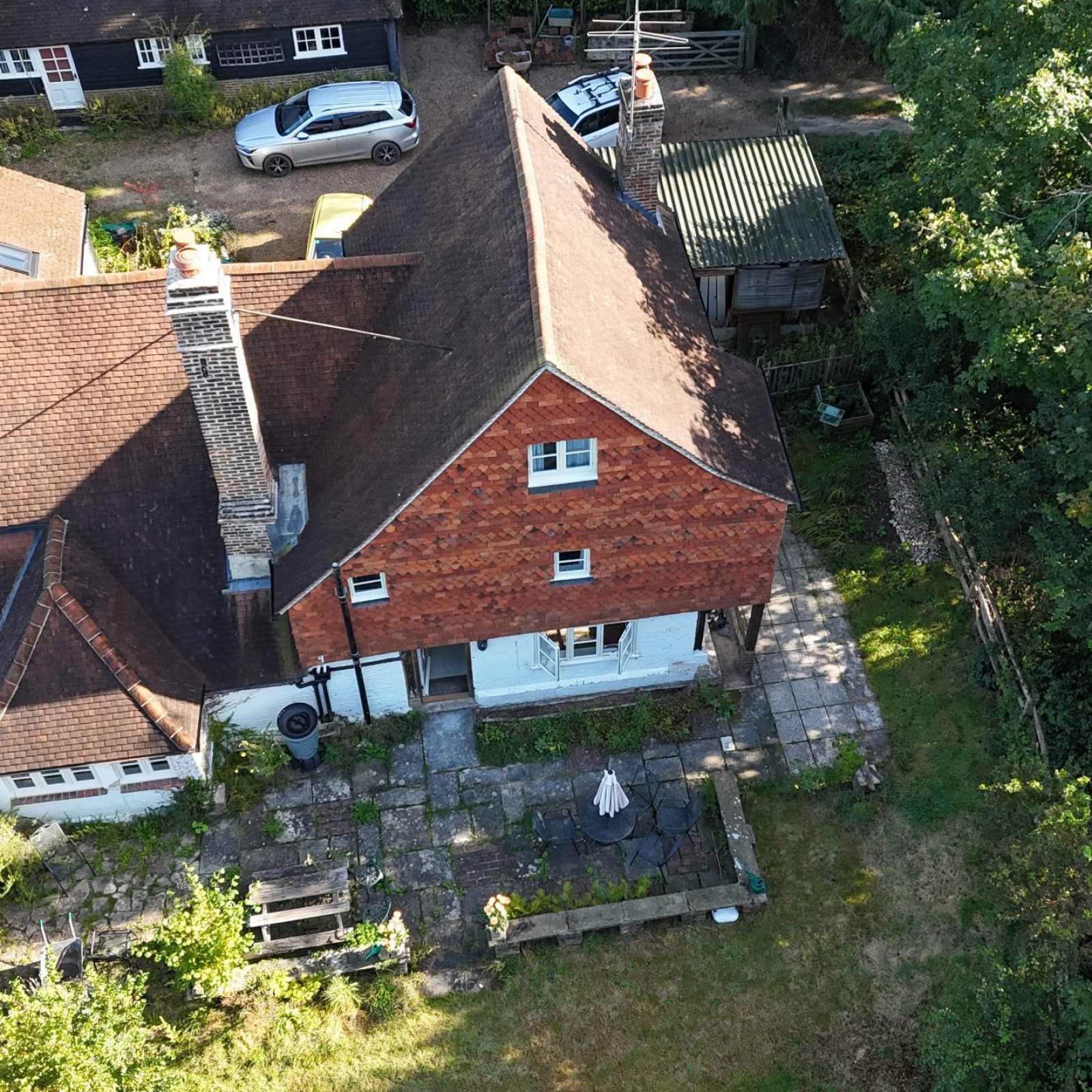
Unauthorised works most likely to be denied consent
While each case is judged individually, certain alterations are consistently flagged as inappropriate by conservation officers and have a much higher likelihood of refusal. These include:
- Installation of uPVC or non-traditional windows in historic façades.
- Removal of historic internal features like staircases, fireplaces, panelling, or cornicing.
- Repointing with inappropriate cement mortars instead of lime.
- Use of impermeable modern materials that trap moisture.
- Demolition of historic outbuildings or extensions without permission.
- Insertion of rooflights, dormers, or solar panels that disrupt the roofline.
- Unauthorised render or paint finishes on historically significant exteriors.
Works that alter the character of the building, or that result in irreversible damage to historic fabric, are especially problematic. The more invasive and unsympathetic the change, the more likely it is to be denied retrospective consent.
For more detail, Historic England’s Advice Note 16 covers advice on which proposals are most likely to need listed building consent. For certainty, however, it’s best to contact your local planning authority, or seek advice from a professional surveyor such as Six Heritage.
Regular vs retrospective consent: what’s the difference?
Regular LBC | Retrospective LBC | |
Timing | Before any work begins | After work is already completed |
Risk | Low (if approved) | High (risk of refusal or enforcement) |
Process | Standard application | Standard application & explanation |
Outcome | Approval, conditions, or refusal (resulting in the need for reapplication) | Approval, conditions, or refusal (resulting in remedial work or prosecution) |
Cost | Low admin fee & design fees | Low admin fee, design fees & potential remedial work |
Legal implications | Fully compliant as long as work is not carried out until approval is granted | Potential offence if refused |
How to avoid issues in future
To help ensure you stay compliant and avoid the stress of retrospective applications, follow these proactive steps:
- Always consult your local conservation officer before starting any work.
- Record everything – photos, materials, conversations, and decisions.
- Don’t assume ‘like-for-like’ repairs means no consent is needed – check first.
- Hire professionals who specialise in listed buildings.
- Be wary of contractors offering generic solutions – they may lack an understanding of heritage properties or the listed building consent process.
Frequently asked questions
Can you sell a house with unauthorised listed building work?
Yes, but it can be harder to secure a mortgage or insurance. It’s best to declare the issue and apply for retrospective consent before listing the property.
How long after the work can you apply?
There’s no official time limit – but act quickly to avoid penalties. Local planning authorities will be more sympathetic if you apply promptly after discovering the issue.
Does home insurance cover unauthorised work?
Most often, it won’t. Some insurers may refuse to pay out if the damage is linked to unapproved alterations. Others may require a separate indemnity insurance policy to be taken out once the issue is discovered.
What’s the listed building enforcement notice appeal process?
You can appeal to the Planning Inspectorate if consent is refused or if you receive an enforcement notice. Seeking appropriate legal advice is strongly recommended.
How long does repointing take?
Timelines vary depending on the complexity of the building and the size of the area that needs to be repointed. For example, repointing parts of a single Victorian terrace might take several days to several weeks, while extensive work on a large estate or church could span several months. Complex heritage sites like cathedrals or historic monuments often require phased work over years. Always consult a heritage professional to get a realistic estimate for your property.
The value of expert support when seeking retrospective building consent
Retrospective applications can be stressful – but you don’t have to navigate them alone. At Six Heritage, our conservation-accredited team has extensive experience working with listed buildings. All our heritage surveyors hold, at a minimum, an MSc in Historic Building Conservation, bringing a deep understanding of heritage principles, planning law, and building techniques to every project.
We help clients assess unauthorised works, prepare supporting documentation, liaise with local authorities, and advise on the best steps for regularising or reversing changes. Our goal is always to protect the integrity of your building while helping you move forward with confidence.
Owning a listed building means understanding the responsibilities that come with it. If you’ve inherited unauthorised works – or made changes without realising consent was needed – retrospective listed building consent is a crucial step in staying compliant. The earlier you act, the more likely you are to secure a positive outcome.
For friendly, expert advice tailored to your property, contact Six Heritage today. You can also share this guide with fellow owners to help spread awareness of the importance of listed building compliance.

Patrick Hughes, MSc, FRSA, MCIOB
Timber Building Specialist & Conservation ConsultantPatrick holds a Master’s in Timber Building Conservation and is a Fellow of the RSA and Chartered Member of the CIOB. With a background in conservation carpentry and a decade of practical and academic experience, he advises on timber condition, damp-related decay, and structural repair in historic buildings. In 2025, he will begin a Master’s in Building History at the University of Cambridge.