

Heritage Surveyors in Gloucestershire
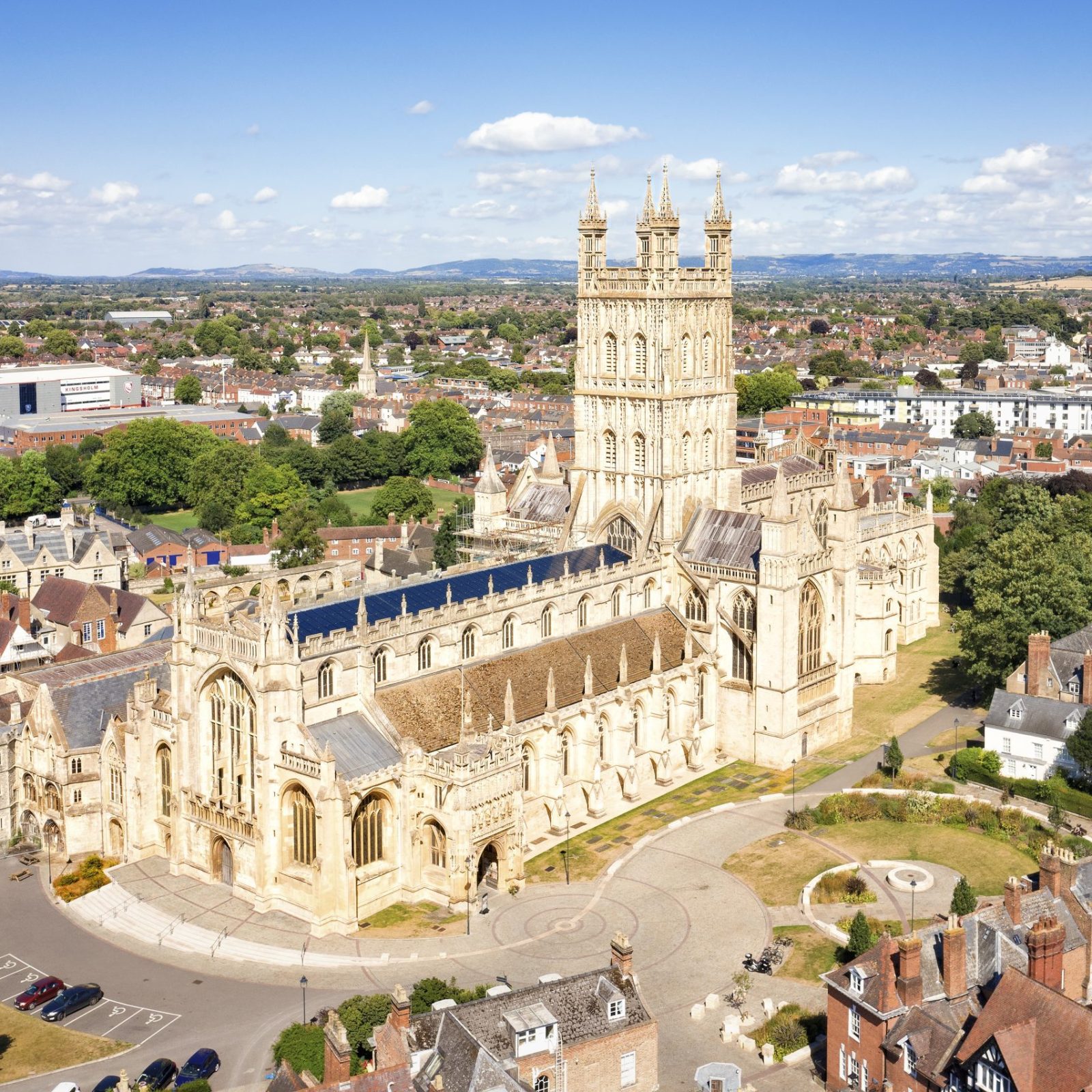
Gloucestershire holds one of the richest concentrations of historic architecture in England, from Cotswold limestone villages and Regency townhouses in Cheltenham to medieval timber-framed buildings in Tewkesbury and Gloucester. Six Heritage provides specialist heritage surveying services across the county, supporting property owners, architects, and developers in making informed, conservation-led decisions about these significant buildings.
Heritage Surveying Services Across Gloucestershire
Six Heritage conducts in-depth building condition and defect assessments throughout Gloucestershire, including within conservation areas in Cheltenham, Cirencester, Painswick, and the historic core of Gloucester. Our work covers timber condition surveys, damp and water ingress diagnostics, and masonry and structural assessments.
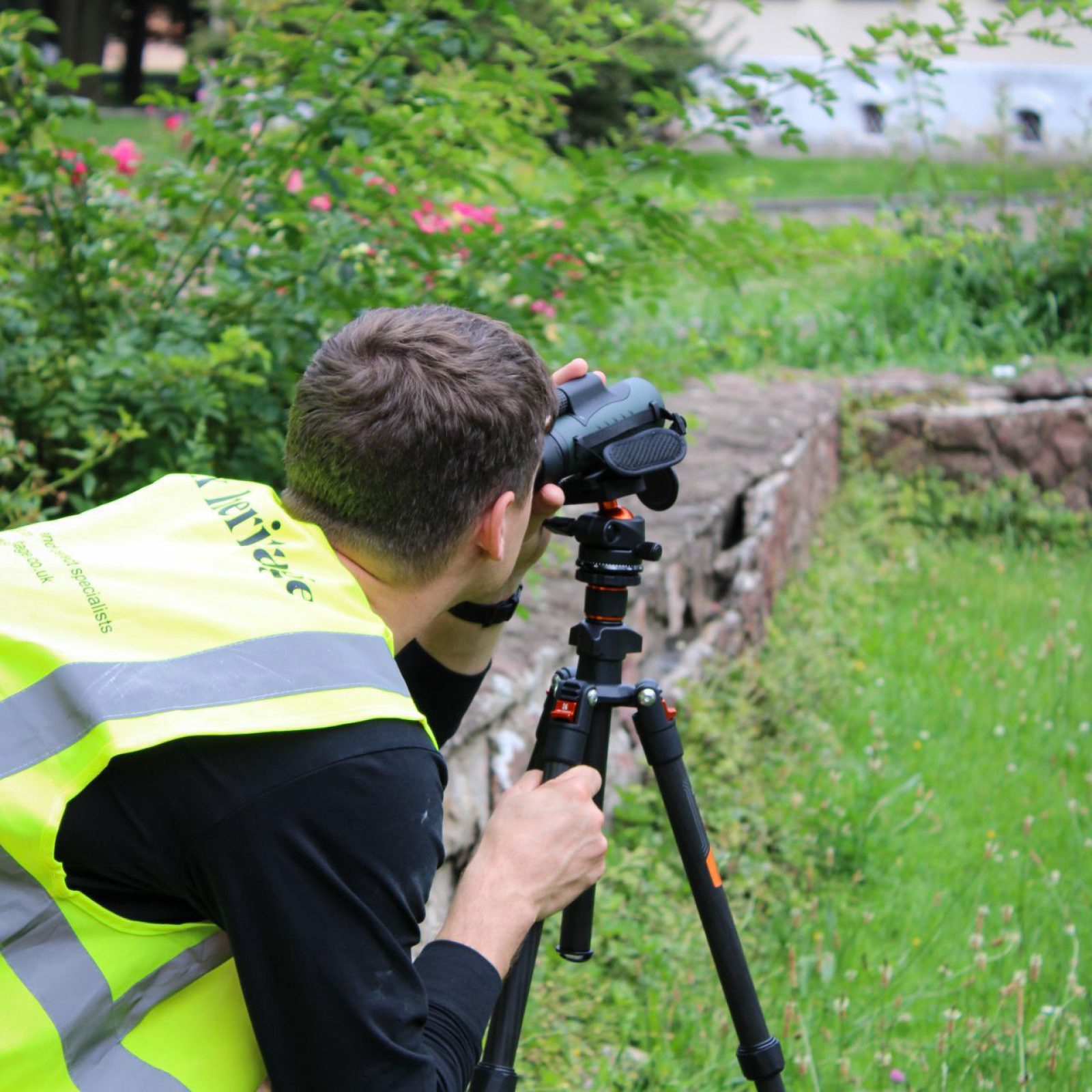
We combine modern diagnostic tools, including FLIR thermal imaging, videoscopes, and decay detection drilling, with traditional visual and tactile survey methods. As an independent practice with no ties to proprietary products, our recommendations are driven solely by what is best for each building and its owner.
Gloucestershire's Historic Buildings – Character and Construction
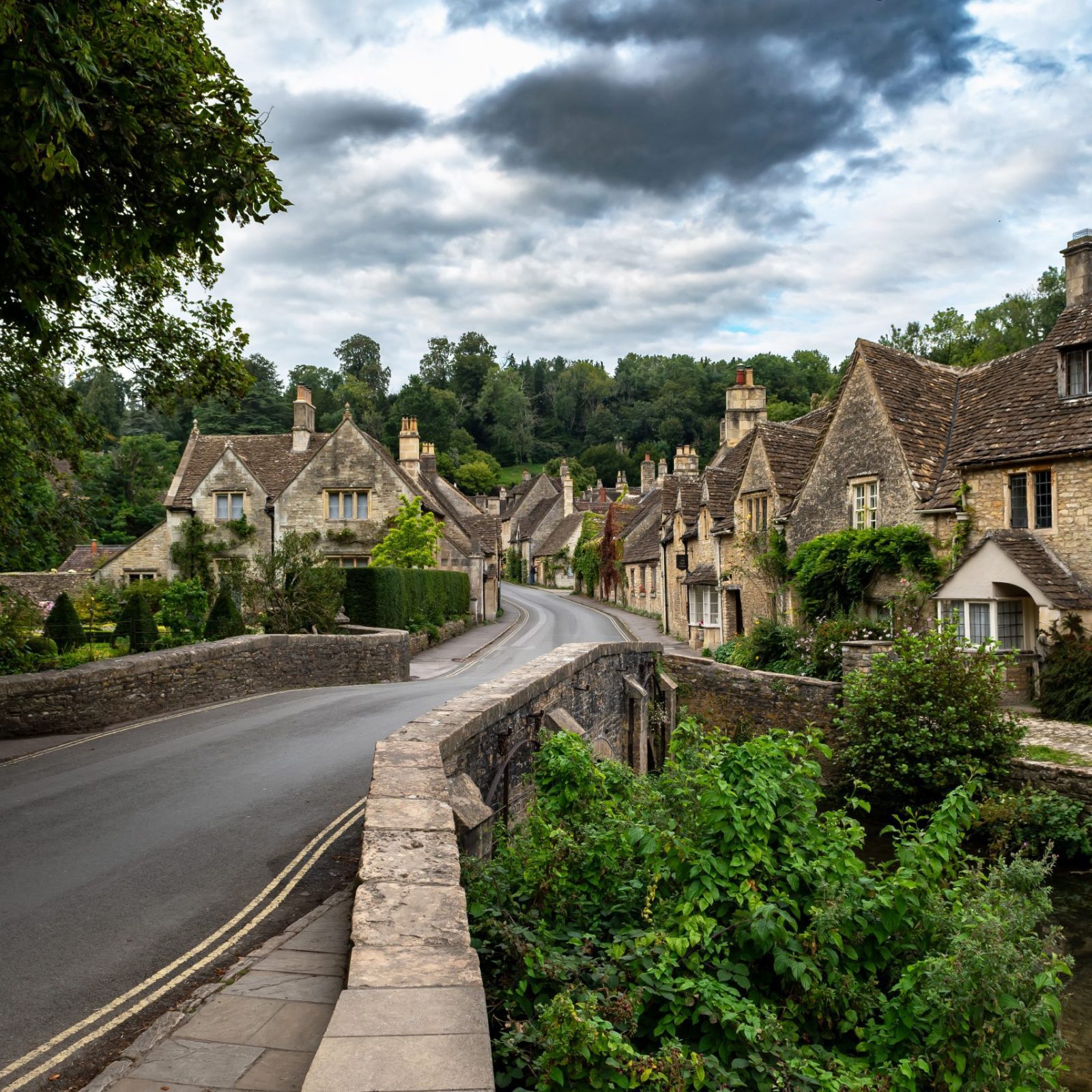
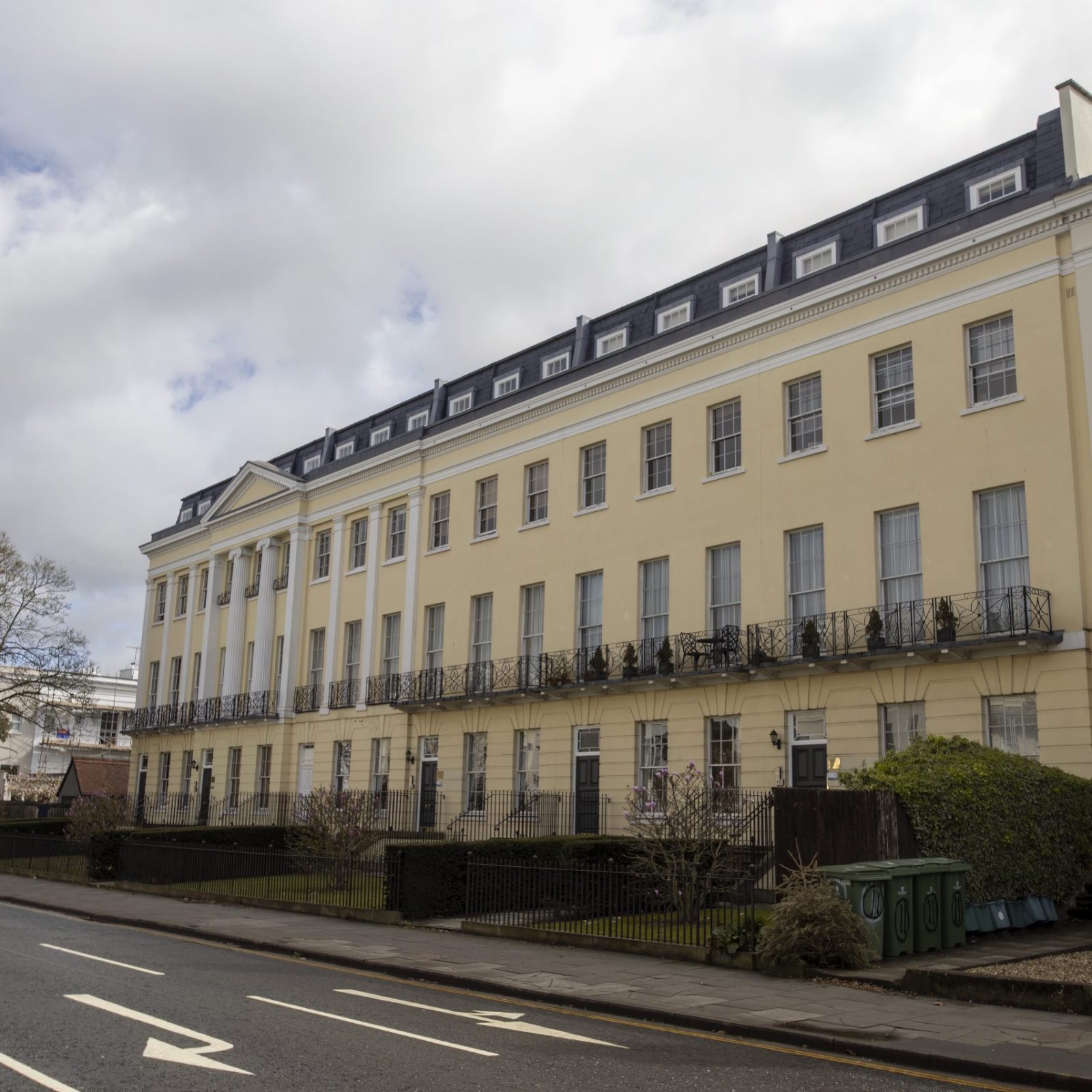
The county of Gloucestershire spans several distinct architectural traditions. The Cotswolds are defined by oolitic limestone, stone slate roofs, and lime mortar construction, with buildings dating from the medieval period through to the Georgian era found in towns such as Tetbury, Northleach, Stow-on-the-Wold, and Chipping Campden. Cheltenham’s Regency and early Victorian terraces use stucco over brick, presenting their own set of maintenance demands. In Tewkesbury, Gloucester, and Winchcombe, medieval timber-framed structures survive in considerable numbers. The Forest of Dean contributes sandstone and rubble-stone buildings with a distinct regional character. Common issues across Gloucestershire include limestone erosion, damp penetration through solid masonry walls, timber decay in older roof structures, and the consequences of previous cement-based repairs applied to lime-built fabric.
Conservation Challenges and Why Six Heritage Is Suited to Gloucestershire
Gloucestershire contains a substantial number of Listed buildings and conservation areas, many located within sensitive landscapes, including Areas of Outstanding Natural Beauty. Planning frameworks administered by district councils place careful scrutiny on alterations, extensions and changes of use affecting heritage assets. Applications involving Listed Building Consent or works within conservation areas require clear, evidence-based justification supported by appropriate survey documentation.
In both rural and urban contexts, access constraints, occupied buildings and complex roofscapes demand a considered approach to inspection. Six Heritage has experience working within these parameters, undertaking thorough surveys while respecting operational constraints and statutory requirements. Our familiarity with conservation-led policy helps ensure that recommendations align with local expectations.
Six Heritage has extensive experience surveying buildings of comparable age, materiality, and sensitivity across southern England, including in Somerset, Buckinghamshire and Sussex.
Working with Conservation Officers and Planning Teams
Six Heritage provides technical documentation and to support Listed Building Consent and planning applications across Gloucestershire. Our outputs include Heritage Statements, Building Condition Reports, Method Statements, and photographic records, all prepared in accordance with Historic England’s guidance on recording practice. We understand the expectations of local planning departments and work to present clear, evidence-based findings that conservation officers can act on without delay. Whether a project involves remedial repairs to a 17th-century farmhouse or surveying a late Victorian London school, our reporting is designed to satisfy both conservation and legislative requirements.

What Our Clients Receive from a Survey
Each report is tailored to the property and the client’s objectives. Typical deliverables include a comprehensive photographic record of defects and features, electronic moisture profiling undertaken in accordance with BRE Guidance Note 245, and timber decay diagnosis using specialist imaging and drilling. Masonry assessments include evaluation of mortar, stonework, and render condition, with laboratory analysis available where required.
All reports contain practical remedial guidance specifying compatible materials and minimal-intervention repair strategies. Our documentation is formatted to support planning applications, remedial work specifications, and long-term conservation management, and we work directly with architects, conservation officers, and property owners to ensure recommendations are both actionable and appropriate.
Who We Work With Across Gloucestershire
Our clients include private homeowners managing period Cotswold cottages and Georgian townhouses, architects working on sensitive conversions and extensions, developers adapting Listed buildings for new uses, and local authorities overseeing heritage assets.
A typical instruction might involve a preliminary survey of a Grade II listed farmhouse near Cirencester to support a planning application for a sympathetic rear extension, or a combined timber and damp survey of a medieval townhouse in Tewkesbury following persistent water ingress. In every case, Six Heritage provides impartial, building-specific advice grounded in professional experience and technical evidence.
Contact Six Heritage
If you are seeking experienced, conservation-focused heritage surveyors in Gloucestershire, contact Six Heritage. We understand the county’s architectural character, planning environment, and conservation priorities. Our impartial reports support sound decision-making and the long-term care of historic buildings across the region.
Arrange a survey of your Gloucestershire property and ensure it receives the professional assessment it deserves.