

Under the lamp
Article
Inspiring our purpose: The Lamp of Memory
‘For, indeed, the greatest glory of a building is not in its stones or its gold. Its glory is in its Age, and in that deep sense of voicefulness… which we feel in walls that have long been washed by the passing waves of humanity.’
The Seven Lamps of Architecture, John Ruskin, 1849
Author
Matthew Amis
Photography
Henry Carter

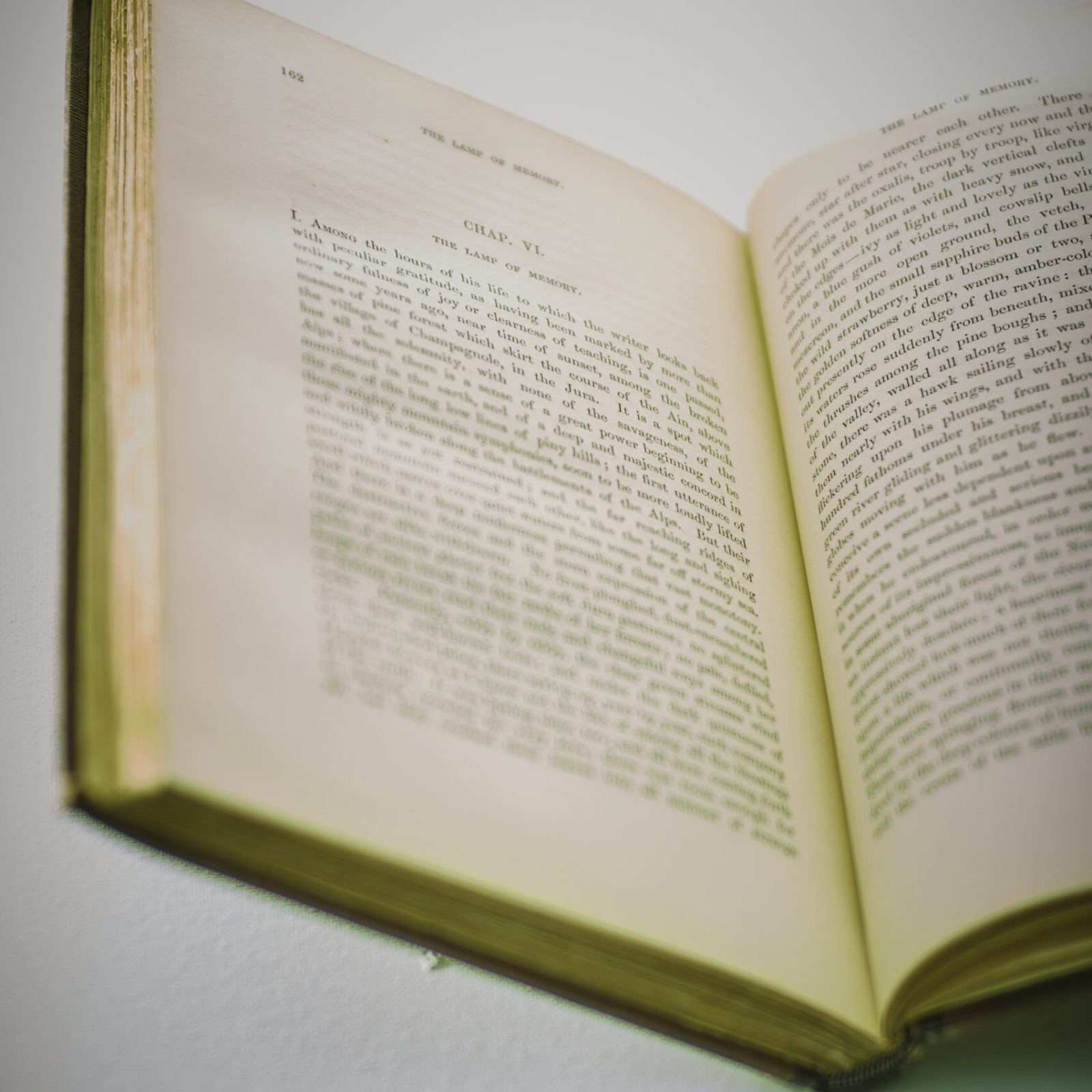
The idea of preserving our cultural heritage may seem like an obvious, natural pursuit but this has not always been the case. It wasn’t until the 19th century when the idea of historic preservation as we know it was first alluded to in academic and political circles.
One of the first to formalise their thoughts on the conservation of the historic built environment was John Ruskin. His book, The Seven Lamps of Architecture, outlined the principles and virtues that he believed defined great architecture. The sixth of these lamps was the lamp of memory, and it was here that Ruskin proposed that the age and history of a structure is as vital a component as its beauty. Though other important and transformative works have followed in the intervening years, as far as we’re concerned none have framed it better. Here at Six Heritage, we are keen to play our part in the continued illumination of the lamp of memory in the UK and abroad.
Many an academic paper and biography have been written about the Victorian renaissance man, John Ruskin. He was a towering figure in the world of art and architecture in 19th century Britain and someone not afraid of challenging those around him.
Born in London in 1819, Ruskin was an only child and was fortunate enough to travel extensively as a youth. This was a hobby that would stay with him throughout his life and have a profound impact on his views of the natural and built environments. He would write critically and poetically about his experiences and capture many buildings and features in detailed sketches. His love for art stretched beyond his own ability to create, becoming a prominent art critic whose views were well respected amongst the artistic community. Of note, he had an enduring appreciation for the works of JMW Turner as well as an ongoing association with the Pre-Raphaelite movement of the mid 19th century.
His relationship with religion and Christianity was also a central building block to how he perceived and interpreted the world around him. This is reflected in his writings, poetry and drawings, not least in The Seven Lamps of Architecture where several of the lamps are directly or indirectly related to faith.
Ruskin took up a residency in Oxford and read at Christ Church where he developed his initial perspectives and theories into more substantial philosophies. It was also here that later in life he was appointed the first Slade Professor of Fine Art as well as establishing his own art school in 1871.
Ultimately, Ruskin led a varied and complicated life that was not without flaws. His marriage (which was later annulled) to Effie Gray has been the source of much debate and discussion over the years, including in contemporary literature and film. His works, ideologies and views have always had their critics and detractors, with and without their merit. However, as is often the case with writers and commentators, it wasn’t until long after his death in the second half of the 20th century when his reputation really improved.
The legacy he has left behind can be measured in several ways, from the significant library of published works he created to those he inspired in similar fields to go on to achieve great things. His admirers included prominent architects such as Frank Lloyd Wright and Le Corbusier, writers such as Tolstoy and Oscar Wilde, designers such as William Morris and Charles Robert Ashbee and his works and ideas on conservation were even a factor in inspiring his friends Octavia Hill and Hardwicke Rawnsley to found the National Trust.
One of his works has even gone on to inspire the formation of a small, independent surveying firm in Surrey… Though it must be said, few of the ideologies and themes in the book are a representation of what we as a firm or society as a whole believe in today.
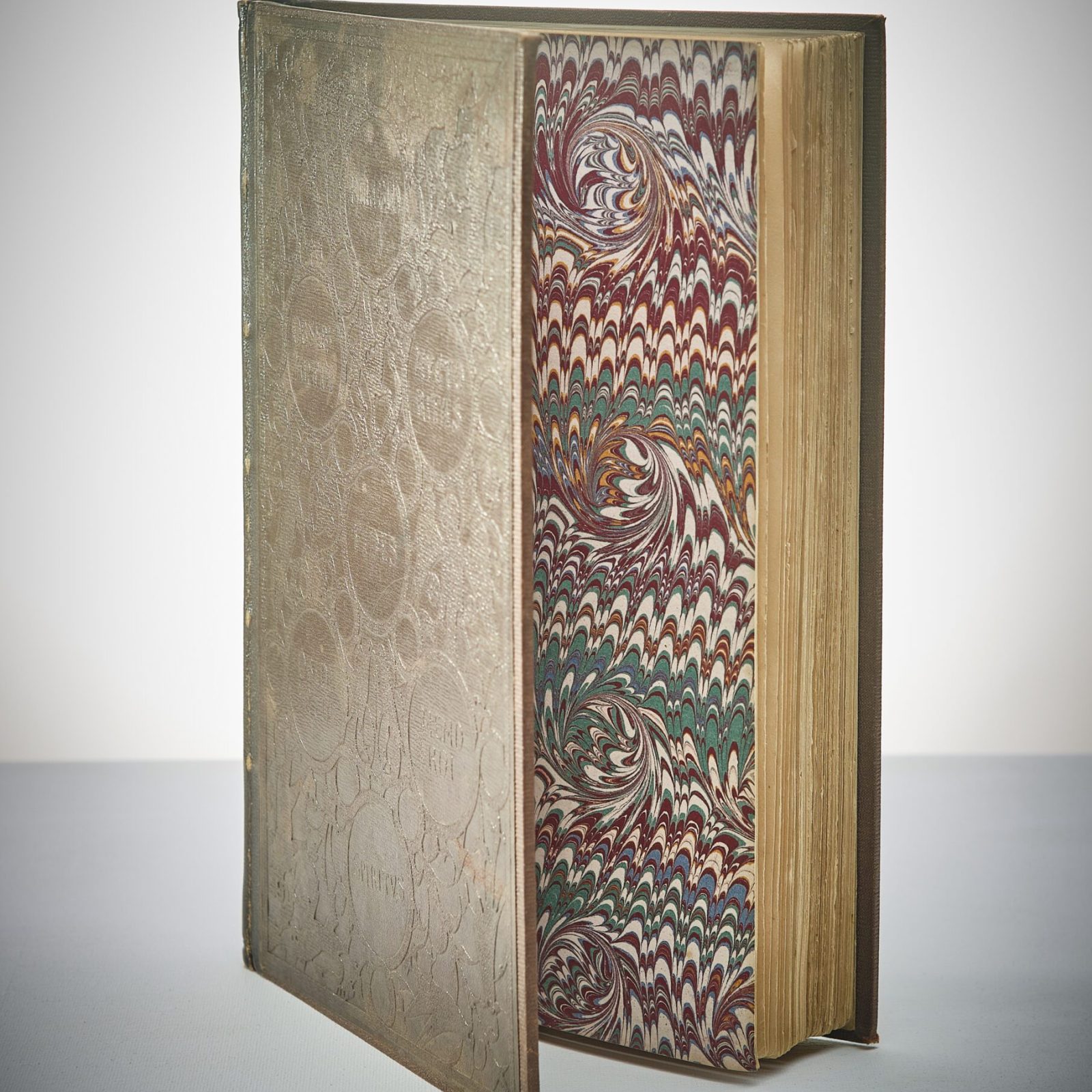
At its core, The Seven Lamps of Architecture was a study, and indeed a promotion of, Gothic and Protestant architecture. Ruskin was known to quite fiercely believe that it was ‘as impossible as to raise the dead’ than to restore any building that was once great or beautiful. This famously pitted him on the other side of the spectrum against his contemporary, Eugene Viollet-le-Duc, who was very much of the opinion historic structures should be restored. This debate has continued to this day, though I am sure we can all agree that whichever side of it you fall on, John Ruskin’s work to bring this discourse into the public and academic domain was of vital importance in establishing modern day perceptions of historic conservation and preservation. We here at Six Heritage celebrate this enduring legacy and will endeavor to shine the light of memory for the historic built environment for years to come.
Further Reading
Praeterita: The Autobiography of John Ruskin, John Ruskin, foreword by Kenneth Clark, 1978
The Seven Lamps of Architecture, John Ruskin, 1849