

Heritage Surveyors in Bristol
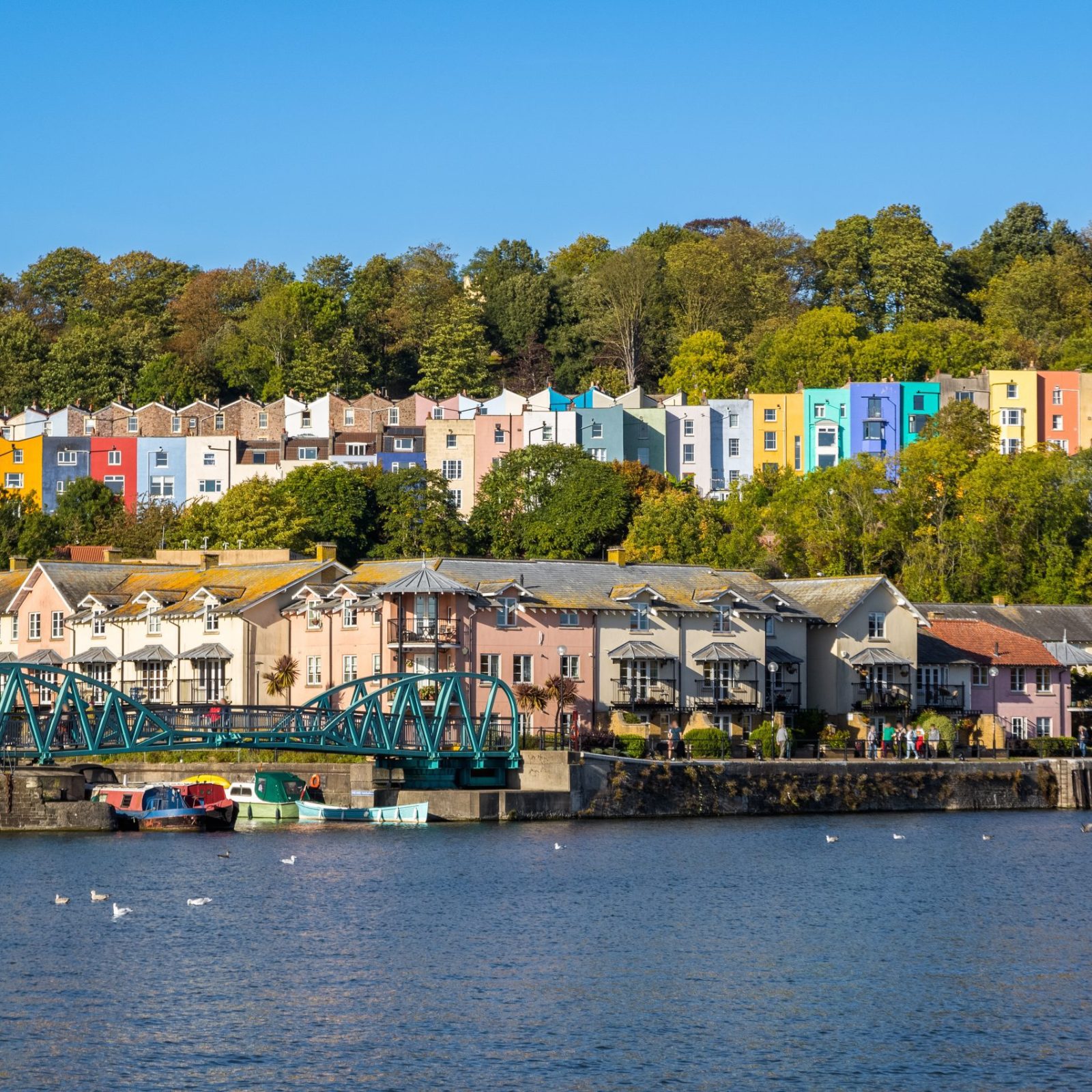
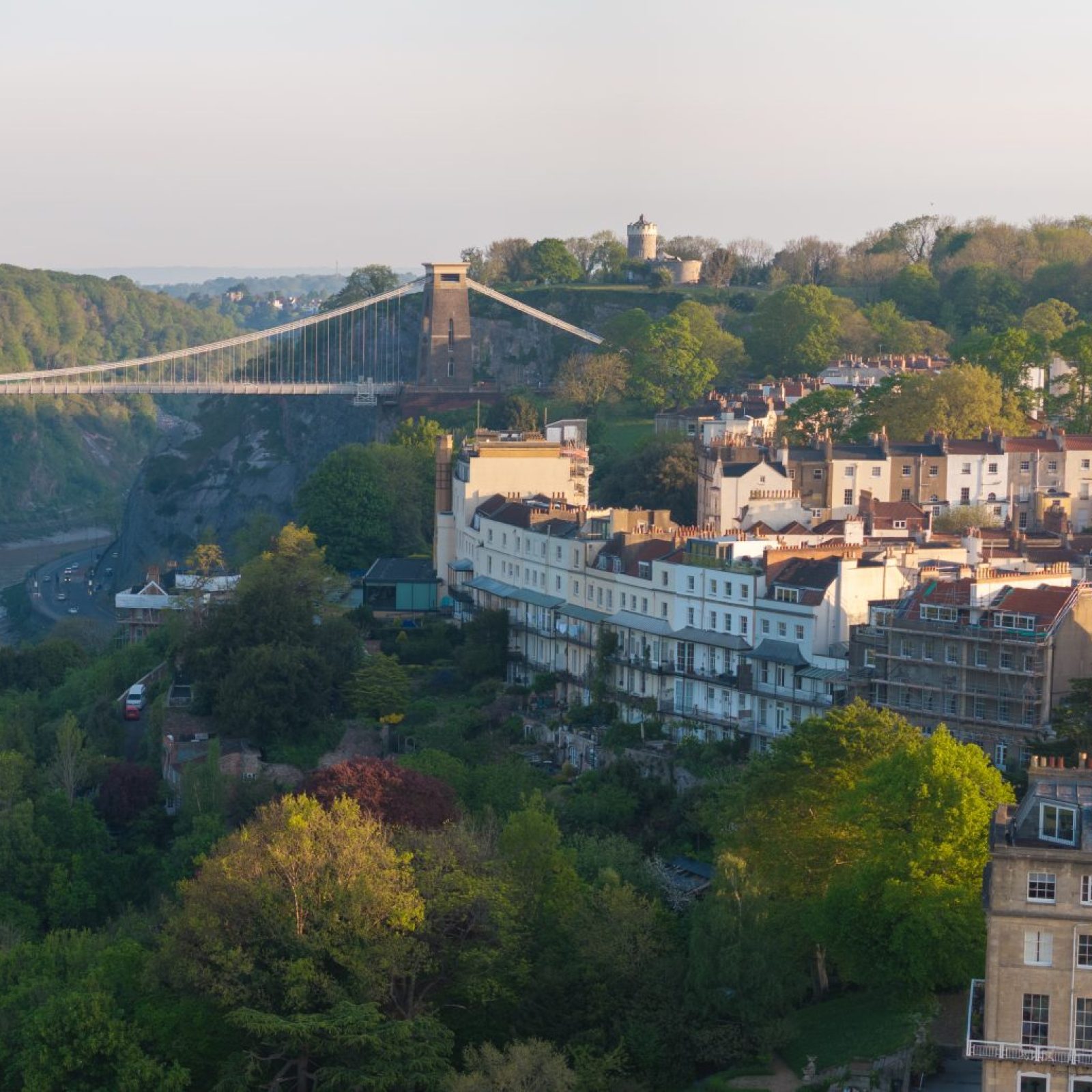
Bristol holds around 2,200 entries on the National Heritage List, including 100 buildings listed at Grade I and 212 at Grade II*. Its 33 conservation areas take in the Georgian terraces of Clifton and Kingsdown, the warehouses of the Floating Harbour, and the Victorian streets of Redland, Cotham and Bedminster.
Six Heritage provides specialist surveys for historic and listed properties across the city, supporting owners, architects and developers in making informed, conservation-led decisions.
Heritage Surveying Services in Bristol
Six Heritage undertakes specialist surveys for historic and listed buildings throughout Bristol. Our assessments combine traditional building pathology with modern diagnostics, including FLIR thermal imaging, electronic moisture profiling and resistance drilling, to produce clear, impartial condition reports covering structural movement, material decay, moisture behaviour and the legacy of past repairs.
As an independent consultancy with no ties to remedial contractors, our recommendations serve the building and its owner, nothing else. Services across Bristol include historic and listed building surveys, timber condition surveys, damp surveys, and preliminary condition surveys.
Bristol's Historic Buildings – Character and Construction
Bristol’s most distinctive building material is Pennant sandstone, quarried on the city’s eastern side around Hanham and Fishponds. It gives the Victorian terraces their grey-green colour, and it behaves quite differently from the porous limestones found elsewhere in the South West. Pennant is hard and relatively impermeable, so walls built from it as rubble rely on their lime mortar joints to release moisture. Repoint those joints in cement and the moisture is forced out through the stone faces instead, which is why so many Bristol terraces show spalling and eroded arrises around hard grey pointing.
Clifton and Kingsdown add a further complication. Many Georgian townhouses have a Bath stone ashlar front, while the flank and rear walls are of Pennant rubble or brick so that a single property can exhibit two or three distinct moisture behaviours. Beneath the pavements, Clifton’s terraces frequently sit over vaulted cellars cut into the slope, a regular source of damp complaints that has little to do with rising moisture in the conventional sense.
The city centre tells a different story. The Blitz of November 1940 destroyed most of the medieval quarter around Wine Street and Castle Street, now Castle Park, which makes the survivors all the more significant: Christmas Steps, laid out in 1669, and the 1664 merchants’ houses on King Street, including the timber-framed Llandoger Trow.
From the 1850s the city also produced an architectural style found almost nowhere else. Bristol Byzantine warehouses combined Cattybrook brick polychromy with Venetian arches, and the Granary on Welsh Back (1869, Grade II*) remains the best surviving example.
Local Conservation Challenges in Bristol
Conservation area designation and Listed Building Consent shape how repairs and alterations are carried out across the city. Bristol City Council publishes character appraisals for its conservation areas, and several, including parts of Clifton, Cotham and Henleaze, are covered by Article 4 Directions that remove permitted development rights for works such as alterations to boundary walls and gates. The council’s Know Your Place mapping is a useful first stop for checking designations and historic map layers for any Bristol property.
Bristol also has a Conservation Advisory Panel, which the council recommends consulting at pre-application stage for works affecting heritage assets. Survey evidence prepared with this audience in mind saves time later in the process.
Six Heritage has extensive experience with comparable buildings across the South West, including in Wiltshire, Gloucestershire, and Hampshire.

Working with Conservation Officers and Planning Teams
Six Heritage produces technical reports designed to support Listed Building Consent applications and planning submissions across Bristol. Outputs include Heritage Statements, Building Condition Reports, Method Statements and photographic records, prepared in accordance with Historic England’s Understanding Historic Buildings: A Guide to Good Recording Practice. Our findings are presented so that conservation officers at Bristol City Council can act on them without further interpretation, reducing delays and grounding repair proposals in an accurate understanding of the building.
What Our Clients Receive from a Survey
Each report is tailored to the building and the client’s objectives. Typical deliverables include a full photographic record of defects and features, electronic moisture profiling in accordance with BRE Digest 245, and timber decay assessment using videoscope and resistance drilling. Masonry assessments cover mortar, stonework and render, with laboratory analysis available where required. Every report sets out practical remedial guidance specifying compatible materials and minimal-intervention repair strategies, formatted to support planning applications and long-term conservation management.


Who We Work With Across Bristol
Our Bristol clients include homeowners managing listed terraces and Georgian townhouses, architects working on sensitive alterations, developers adapting listed commercial and industrial buildings, and estate managers responsible for historic properties.
A typical instruction might be a timber and damp assessment of a Grade II listed terrace in Clifton following persistent moisture complaints, or a pre-purchase survey of a Georgian property in Kingsdown ahead of exchange.
Get in Touch with Our Bristol Heritage Surveyors
If you need a heritage surveyor in Bristol, Six Heritage provides specialist assessments for historic and listed buildings across the city. Our surveys help clients understand condition, diagnose defects, and plan repairs that respect the original fabric and meet the expectations of Bristol City Council’s planning and conservation teams.
Contact Six Heritage to arrange a survey.