

Damp Surveys
We provide specialist heritage damp survey services to address your issues of rising or penetrating damp. Our cost-effective remedial advice is grounded in environmentally friendly solutions and considers the long-term health of older properties.
Our approach
Damp investigation and consultancy services include a thorough and detailed assessment of existing symptoms of dampness and water penetration. This includes an evaluation of the external envelope, constructional detailing, ground levels, and an initial assessment of the functionality of existing roof coverings and rainwater goods. Standard packages typically include an assessment of existing damp proofing against information provided in BS 8102:2022 allowing for us to produce tailored remedial advice to tackle dampness and prevent its return
Historic Damp Challenges
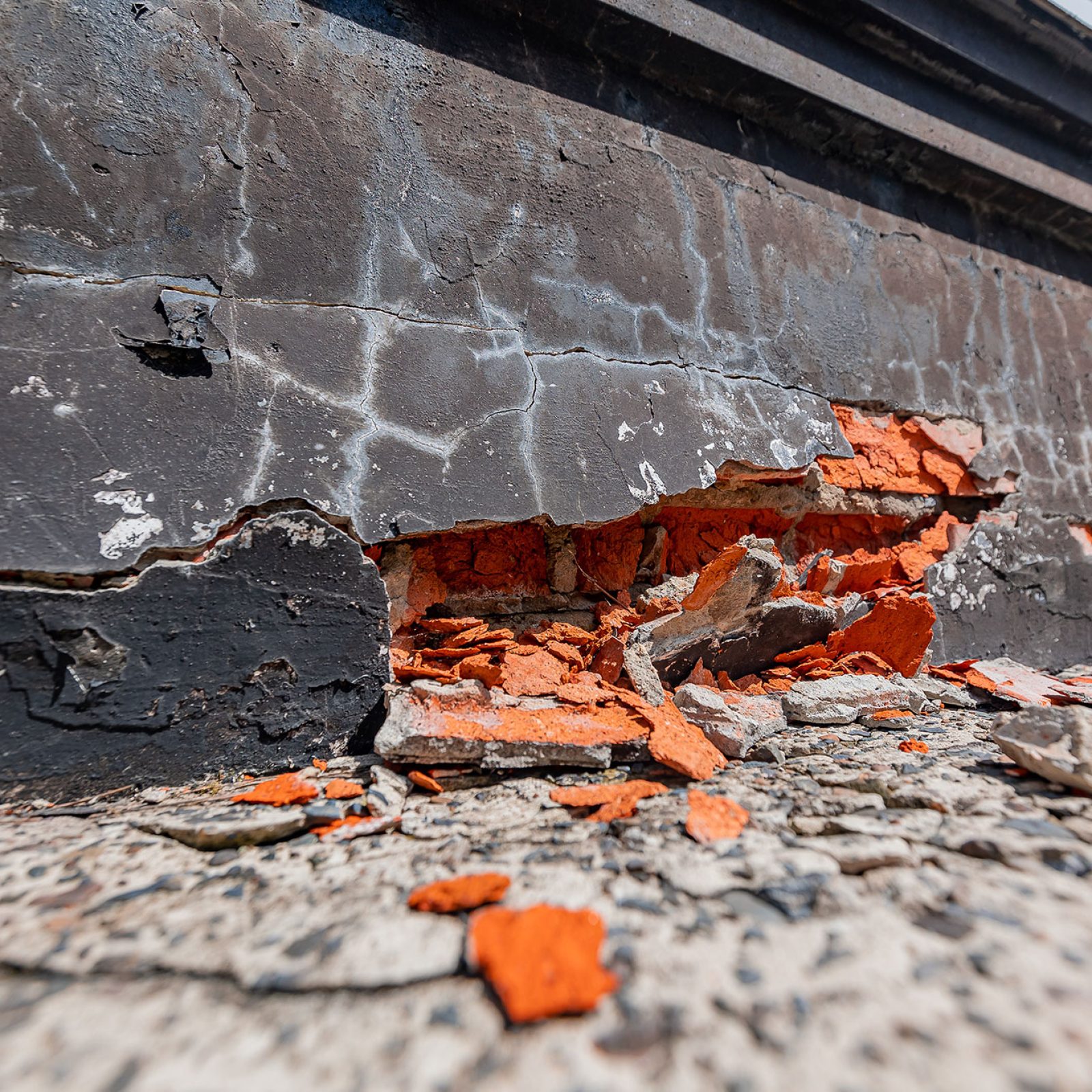
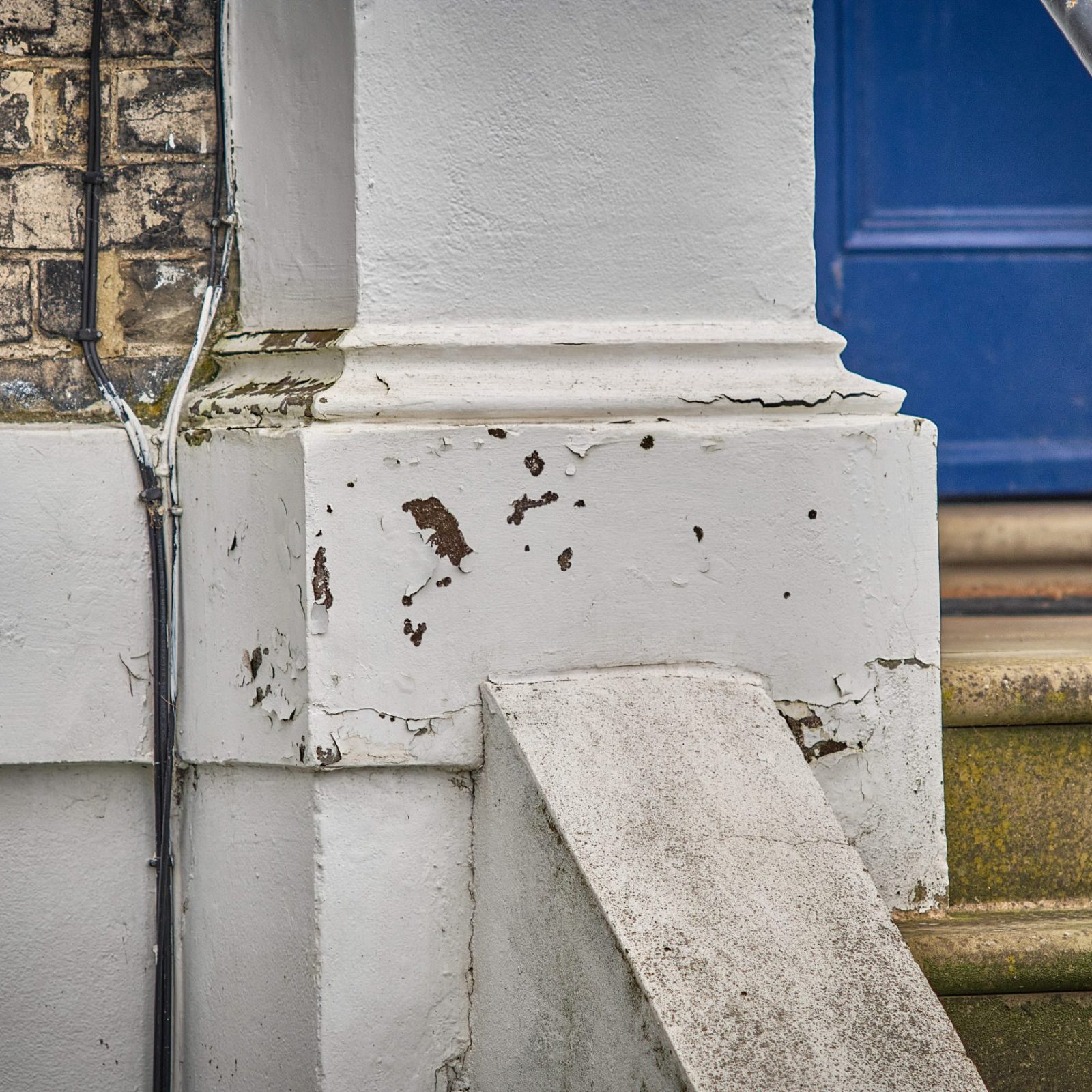
As traditional materials and construction methods behave differently from modern structures, heritage buildings require a specialist approach to damp assessment. Inappropriate past repairs or moisture-retentive materials can exacerbate damp issues, leading to decay and structural concerns.
Our surveys consider factors like breathable materials, external drainage and ventilation to effectively diagnose rising or penetrating damp. Using non-invasive methods where possible, we provide conservation-led solutions that respect the building’s integrity. Our reports offer practical, long-term strategies to manage moisture while preserving historic character, whether addressing damp in stone, brick, or timber-framed structures.
Moisture and hygroscopic salt profiling
Where appropriate, our surveyors undertake masonry sampling via the use of gravimetrical and electrical techniques as per BRE Guidance Note 245. Results offer an indication as to moisture
quantity, hygroscopic salt content and moisture source (rising and/or penetrating damp).
This invaluable information can be useful for several purposes; such as creating a targeted and effective remedial strategy early in the design phase or highlighting areas of vulnerability during a home renovation to allow for appropriate detailing of internal finishes.
Surface drainage and DPCs
Damp proof courses (DPC)
These investigations would identify the type, condition and performance of any DPC identified at time of survey. This is useful for understanding the efficacy of existing systems to aid in informing a measured and appropriate strategy upon refurbishment.
Ground surface drainage and ground levels
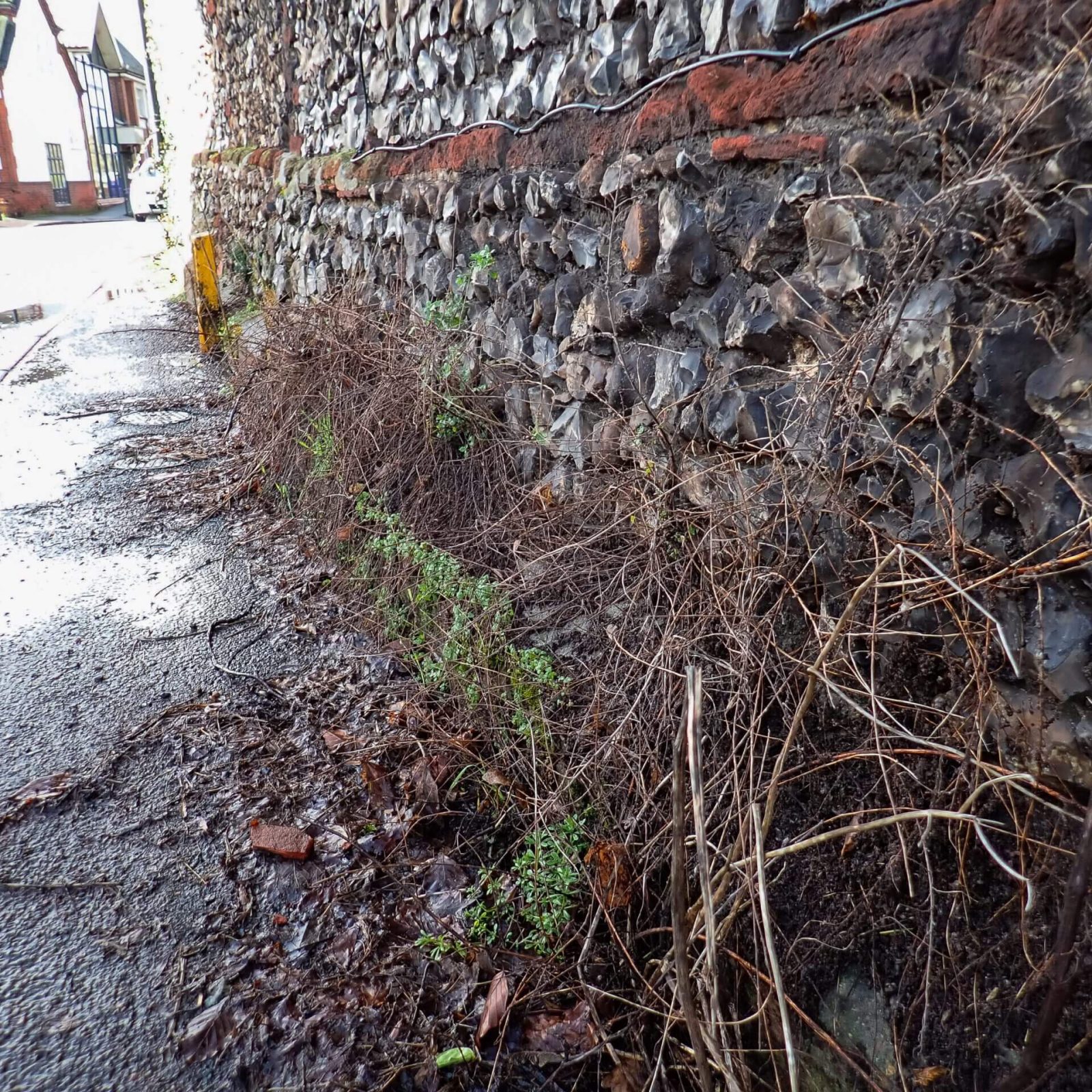
We make an assessment of how ground surface drainage has been detailed is made and remedial advice/ recommendations given where necessary.
A comparative and contextual assessment of external ground levels vs internal floor levels is also made to inform any detailing recommendations
Environmental conditions
We measure internal environmental conditions using hygrometers and anemometers to assess the efficacy of existing ventilation and heating systems. Actionable remedial advice is provided to protect interior finishes and existing building materials from issues associated with condensation, damp, mould, fungal and insect decay.