

Masonry & Structural Surveys
Masonry is an integral facet of the built environment and is vulnerable to various defects and failures. We draw on our vast experience in surveying historic and contemporary masonry structures to identify issues and offer appropriate, material sensitive remedial advice.
Historic Building Structural Challenges
Heritage buildings often face structural challenges due to age, material degradation and past repairs. Issues like settlement, cracking, and hidden defects require a specialist approach.
Our surveys use visual assessments, specialist equipment, and laboratory analysis where needed to diagnose problems accurately. We provide conservation-led recommendations that respect original materials and construction methods, ensuring stability while preserving historic character. Whether assessing masonry movement or material failure, our reports offer practical, long-term solutions tailored to the needs of listed buildings.

Survey methodology
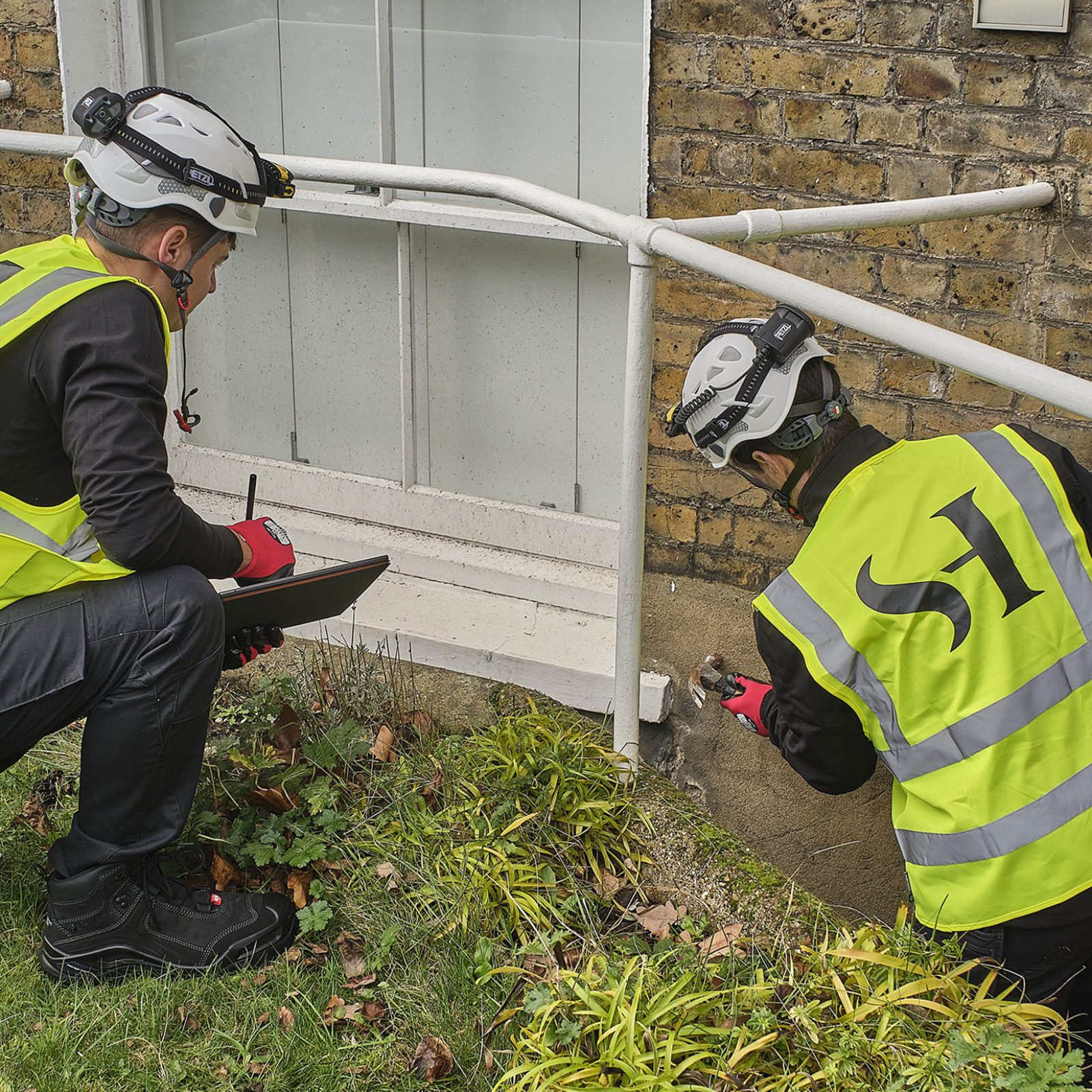
Our survey packages typically include an evaluation of condition, vulnerability and service life. This includes utilising visual and tactile
survey methods to record possible structural defects, material failure and potential areas of vulnerability. We have equipment to aid in
these surveys to capture all manner of defect and problem; from thermal imaging cameras, metal detectors (to search for concealed metal cramps or fastenings), long-range tripod mounted monoculars, laser levels and drones. As with all our survey options, our holistic, pathology orientated approach is key to our cost-effective remedial advice.
Our surveys cover materials such as:
- Brickwork
- Mortar
- Render
- Stonework
Labororatory analysis
We combine our on-site service options with the option for laboratory composition analysis. This can include investigation of petrography, mortar/render composition and hygroscopic moisture content. During surveys at listed properties, understanding the mortar composition is often of paramount importance to both the local Conservation Officer and design team. We recommend the use of mortars most sympathetic to the original mix used during construction (typically either hydraulic or non-hydraulic lime in the UK). Where appropriate, we will also recommend that masonry repair/replacement and any re-pointing works are planned to include a period of testing and comparison on-site to include sign off by the relevant authorities or stakeholders.
Where necessary, our cost-effective remedial advice addresses topics such as cleaning, efflorescence, biological surface growth and spalling. As with pointing and localised repair works, we specify the need and methodology for cleaning tests to ensure no unnecessary damage is caused.
