We are available throughout the Christmas period. Don't hesitate to enquire today.

Under the lamp

Case study

Lake District, Cumbria

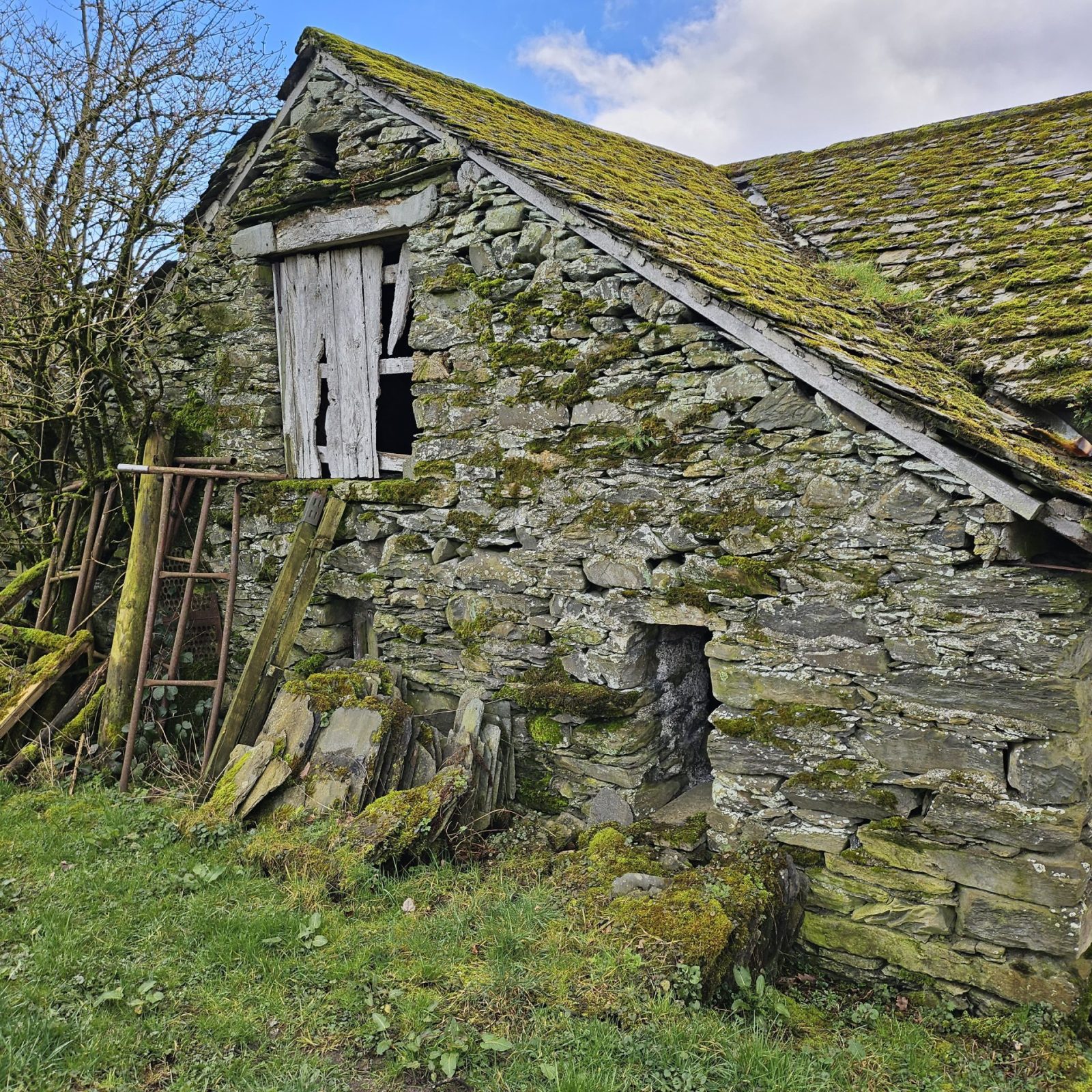
In March of 2024, we carried out in-depth condition investigations to a large, historical dry-stone barn situated within the curtilage of a grade II listed property, dating back to the 17th century.

Author

Patrick Hughes

Service

Timber Condition Survey, Preliminary Risk Management and Condition Survey

Completion

March 2024

Client

Homeowners

Cumbrian Barn Investigation, A Risk Management Survey in the Lake District

The barn was one of several buildings within the grounds of the wider property that had remained undeveloped, being used primarily for storage. The homeowners were considering renovating it into a habitable space and required investigations to be carried out into the condition of the building fabric to ensure that any defects, or latent defects were identified and repaired prior to any internal fit-out and second fix work taking place.

We carried out several different survey packages to determine the condition of vulnerable structural materials and those that provided protection against inclement weather. In particular, the external roof finishes, torching and the supporting roof timbers. The external rainwater drainage systems were also the subject of investigation, as were embedded timber lintels that were positioned over the open window and door apertures.

Initial investigations identified numerous areas of decay to structural roof timbers, particularly at eaves level and bearing ends that were embedded into, or in contact with external damp-affected masonry. Wood-boring insect infestation, namely Death Watch beetle (Xestobium rufovillosum) had occurred in some areas, however decay had largely been caused solely by fungal organisms (Coniophora puteana and Donkioporia expansa).

Deep moisture readings of certain timbers remained elevated above the threshold for both insect and fungal decay at the time of survey.

External roof finishes were formed of slate, likely a variety of local Cumbrian slate, which were found to be at or beyond their service life, with areas of spalling, fracturing and slippage. The excessive build-up of moss on the external faces of the roof pitch had likely harboured moisture in contact with the roof, resulting in oversaturation of the torching and battens and rafters beneath, as well as corrosion to the mechanical fixings.

Ferrous metal eaves gutters and downpipes had become severely corroded and several areas had become blocked due to plant debris. Inadequate detailing meant that downpipes were directing rainwater into the ground adjacent to the dry-stone elevations, resulting in severely damp affected masonry which was negatively impacting building materials and finishes.

Findings were compiled in a report format which included draft repair schedules, annotated drawings and a photographic record of conditions. This included cost-effective advice in relation to cleaning, efflorescence, spalling and maintenance. We recommended to the client that this document should be used to tender works for the necessary repairs to take place.

Cumbrian Barn Investigation, A Risk Management Survey in the Lake District

It was a real treat for us to be invited up to the Lake District to investigate the condition of this historic barn. It is a fantastic example of vernacular Cumbrian architecture that we hope our recommendations will help in repairing and protecting for many years to come

Patrick Hughes, Director, Six Heritage

In focus – Cumbrian building materials

Cumbria is blessed with an abundance of resilient and useful building materials. The barn at the centre of this investigation was a prime example of this and utilised local Cumbrian slate as a roof finish and a variety of Cumbrian stone for external walling. Although not investigated in detail, it is likely that the slate was of a Westmorland variant which would have been mined fairly locally to the site (and is still mined today).

External masonry appeared to be comprised of several elements, primarily limestone, but also included slate as in-fill to areas of missing/damaged stone. Internally, timber elements comprising the roof structure were also likely native to the area dating from original construction. These structural elements were preliminarily identified as both Oak (Quercus robur/petraea) and Elm (Ulmus spp.).

It was a real treat for us to be invited up to the Lake District to investigate the condition of this historic barn. It is a fantastic example of vernacular Cumbrian architecture that we hope our recommendations will help in repairing and protecting for many years to come

Other projects

Get in touch with us today