

Historic & Listed Building Surveyors
Ensuring the conservation and integrity of the UK’s architectural heritage through expert surveying services.
Introduction
At Six Heritage, we specialise in carefully assessing historic and listed buildings. We combine traditional surveying methods with modern technology to provide precise, impartial evaluations. Our services assist property owners, conservationists, architects, and developers in making informed decisions about the maintenance and restoration of heritage properties.

Understanding Historic & Listed Building Surveys
Due to their unique characteristics and legal protections, surveying historic and listed buildings requires a specialised approach. These structures often feature traditional materials and construction techniques that differ significantly from modern buildings. Our surveys focus on evaluating the condition of timber, stone, and lime-based components, identifying structural risks, and ensuring compliance with heritage regulations.
In the UK, Listed buildings are classified into three grades, reflecting their relative importance and the extent of legal protection:
- Grade I: Buildings of exceptional interest, representing only 2.5% of all Listed structures.
- Grade II*: Significant buildings of more than special interest, accounting for 5.5% of Listings.
- Grade II: Buildings of special interest, making up 92% of Listed properties.
Unauthorised alterations to these properties can lead to legal challenges and irreversible damage to their historic value.
Challenges of Surveying Historic Buildings
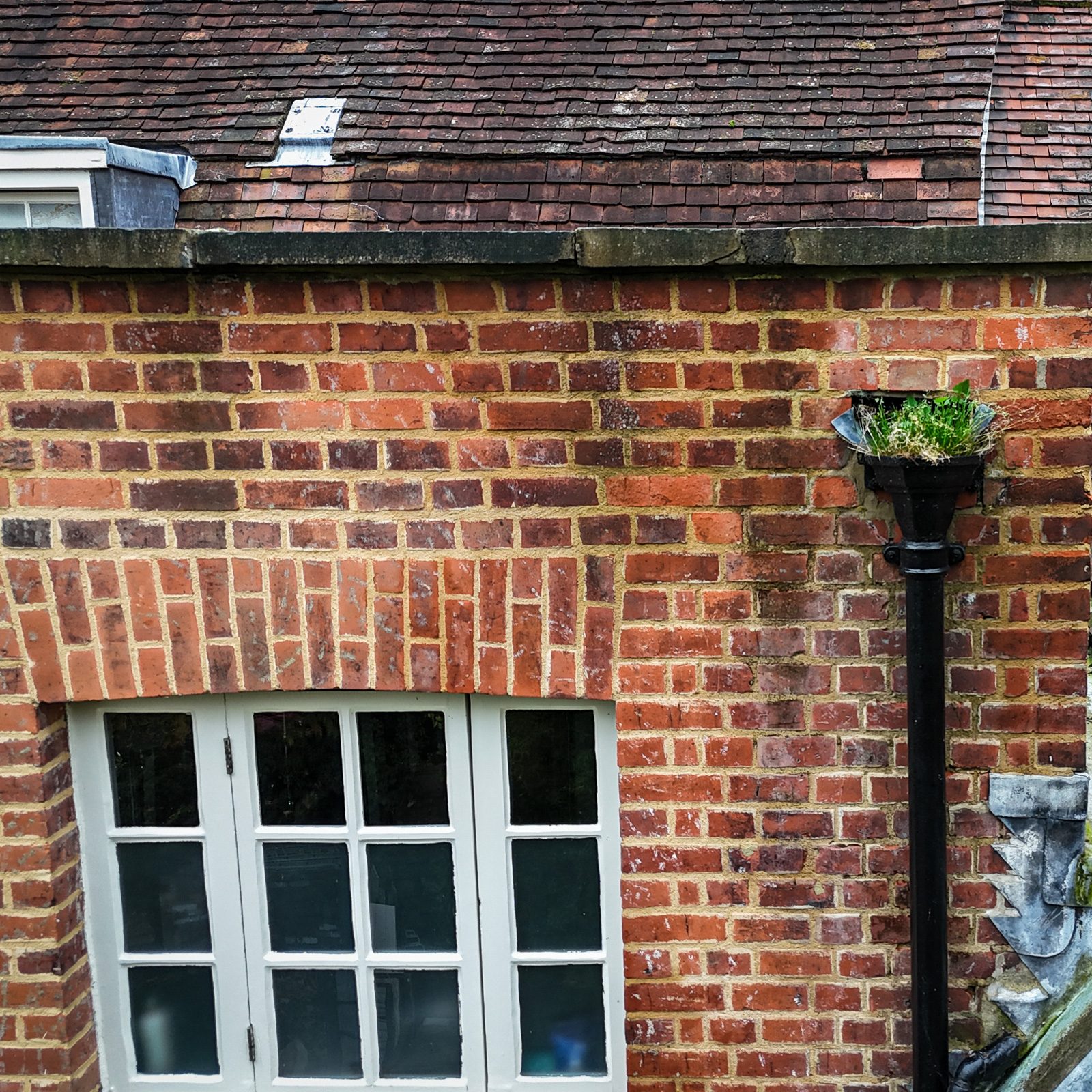
Historic buildings often conceal hidden defects, including damp penetration, timber decay, and structural modifications from previous interventions. Unlike modern constructions, these properties may lack standard features such as damp-proof courses or cavity walls, necessitating a tailored surveying approach. Our methodology includes non-invasive diagnostic techniques like thermal imaging and moisture mapping to detect underlying issues without compromising the building’s fabric. Additionally, we assess the impact of past repairs that may have utilised incompatible materials, recommending conservation strategies that align with the building’s original construction.

Why a Specialist Surveyor is Essential
Engaging a specialist surveyor for historic buildings is essential to ensure:
- Compliance with Listed Building Regulations: Navigating the complex legal framework governing alterations and repairs to heritage properties.
- Conservation of Historic Integrity: Utilising repair techniques and materials that respect the building’s original character.
- Detailed Defect Diagnosis: Identifying issues unique to older structures, such as age-related movement, damp, and decay.
- Guidance for Conservation and Restoration: Providing expert advice on suitable materials and qualified contractors for specialised work.
Standard property surveys often lack the depth required for historic buildings, potentially overlooking critical structural and material-specific concerns. Our specialist approach addresses these complexities comprehensively.
Listed Buildings & Legal Considerations
Owners of Listed properties must adhere to stringent conservation laws. Any alterations, extensions, or repairs require Listed Building Consent (LBC), and unauthorised changes can result in legal action. Our surveys provide:
- Heritage Impact Consultancy: Supporting clients, contractors and design teams with remedial decisions that best align with conservation principles and legislation.
- Condition Reports: Detailing necessary remedial work to maintain structural and historical integrity.
- Materials Advice: Recommending appropriate materials such as lime mortar, traditional timbers, and heritage glazing.
We collaborate closely with conservation officers and heritage bodies to ensure all recommendations align with statutory requirements, safeguarding your property’s historic character while meeting modern safety standards.

Survey Techniques & Technology
At Six Heritage, we employ traditional expertise and modern diagnostic technology to assess historic structures with minimal intrusion. Our methods include:
- Damp & Timber Decay Analysis: Identifying the distribution and saturation levels of moisture within structural materials and the presence and severity of timber decay.
- Structural Monitoring: Detecting and analysing building movement over time.
- Non-Invasive Imaging: Utilising thermal and Ground Penetrating Radar (GPR) scanning to uncover concealed issues.
- Archive/Literature Research: Investigating the historical evolution of the building, as well as associated construction/craft techniques, to inform proposed remedial strategies
This comprehensive approach ensures that every survey provides an in-depth, evidence-based understanding of a property’s condition, enabling owners to plan repairs and restorations confidently.