

Damp & Timber Surveys for Old Buildings
Understanding Damp & Timber Issues in Older Properties
Damp and timber decay are frequent issues in historic and Listed buildings, primarily due to their traditional materials and construction methods. Unlike modern structures, these buildings rely on breathability to manage moisture effectively. Conventional damp-proofing treatments can be detrimental, often trapping moisture and exacerbating structural deterioration.
At Six Heritage, we provide specialist damp and timber surveys, using a heritage-focused approach to accurately diagnose problems while ensuring the long-term health of the building.


Why Damp & Timber Surveys are Essential for Historic Buildings
Due to their materials and design, older buildings are particularly vulnerable to damp and timber decay. Unlike modern constructions, historic buildings rely on breathability to manage moisture effectively. Introducing modern interventions, such as cement renders or damp-proof membranes, can trap moisture, leading to structural degradation over time.
Common Causes of Damp in Period Properties:
- Penetrating damp: Water ingress from failed roofing, defective rainwater goods, or poor external maintenance.
- Condensation: A common but often misdiagnosed issue caused by insufficient ventilation and lifestyle factors.
- Rising damp: Frequently misdiagnosed in older buildings, often leading to unnecessary chemical damp-proofing.
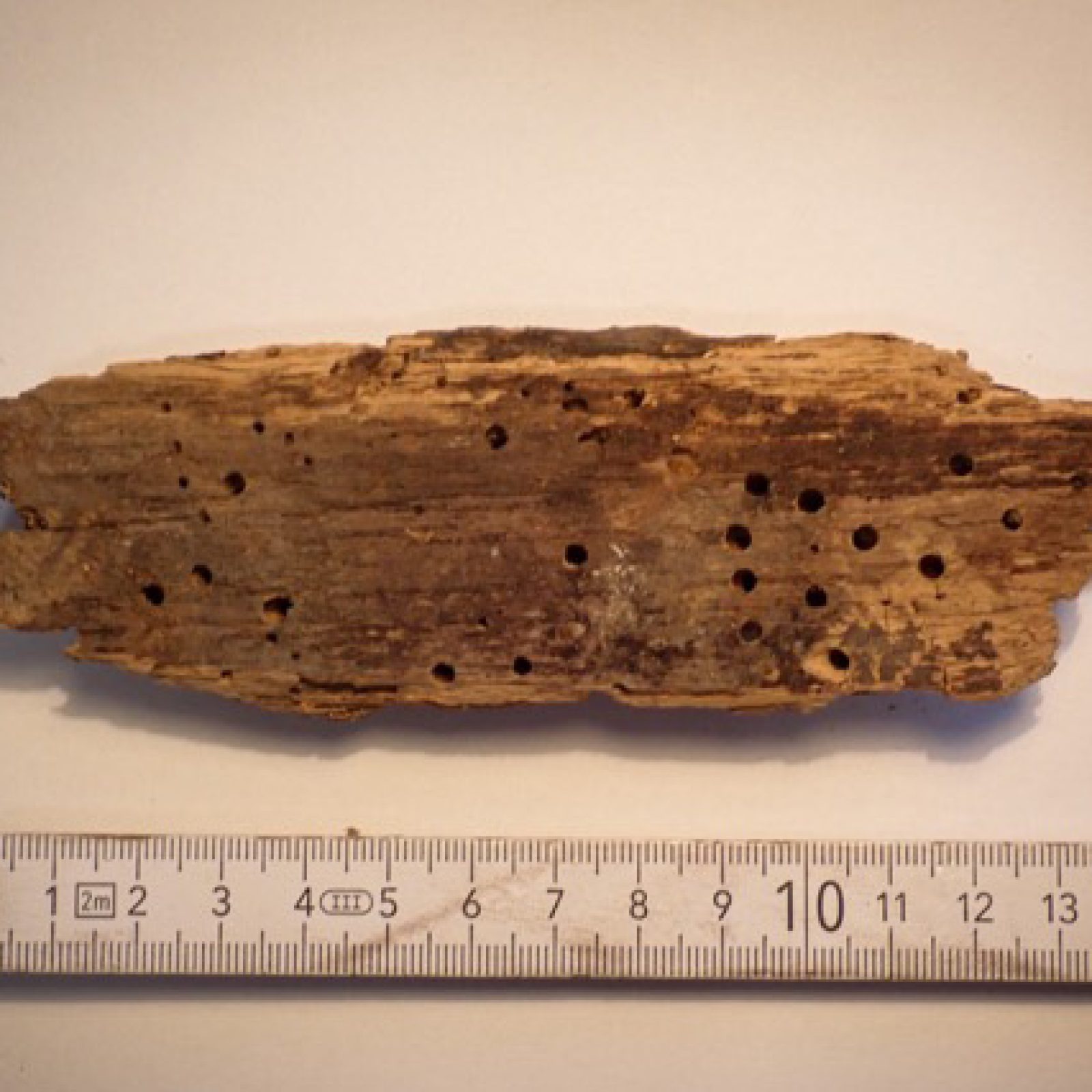
- Timber decay: Fungal growth and insect infestation, particularly in damp conditions.
Ignoring these issues can result in structural damage and costly repairs. A specialist heritage surveyor understands the complexities of period properties, ensuring appropriate conservation-friendly solutions.
Our Approach to Damp & Timber Surveys
At Six Heritage, we take a comprehensive, evidence-based approach to assessing damp and timber conditions. Our surveys adhere to British Standards (BS 7913:2013) for the conservation of historic buildings, ensuring that assessments respect the building’s original fabric while diagnosing root causes.
Surveying Techniques Include:
- Visual and tactile inspections: Assessing the structural condition and signs of moisture ingress.
- Thermal imaging: Detecting moisture presence and cold bridging.
- Hygrometer readings: Measuring relative humidity and identifying condensation risks.
- Gravimetric analysis: Laboratory analysis to establish the available moisture and hygroscopic moisture content of damp affected masonry.
- Microscopic timber analysis: Identifying fungal decay and wood-boring insect activity.
Our approach prioritises non-invasive investigation, ensuring minimal disruption while providing accurate, practical recommendations.


What Our Reports Include
Following a survey, we provide a detailed, impartial report with clear guidance on managing damp and timber decay.
Key Report Inclusions:
- Moisture profiling: Identifying damp sources and assessing their severity.
- Timber condition analysis: Evaluating structural integrity and decay risk.
- Root cause diagnosis: Pinpointing external and internal factors contributing to damp.
- Conservation-led recommendations: Providing sympathetic remedial actions that maintain breathability and building health.
These reports are tailored for private homeowners, conservationists, architects, and developers, offering the clarity needed to plan effective, sustainable solutions.
Common Timber & Damp Issues in Historic Buildings
Damp and timber decay in historic buildings often results from misdiagnosis, leading to unnecessary chemical treatments that damage the original structure.
Key Issues We Identify:
- Penetrating damp: Common in older buildings due to external defects or failed maintenance.
- Condensation-related damp: Often mistaken for rising damp, requiring improved ventilation rather than damp-proofing.
- Rising damp: A controversial diagnosis; many cases are due to retained moisture in historic materials rather than actual rising damp.
- Wood-boring beetles & fungal decay: Identified through detailed microscopic timber analysis.
By distinguishing genuine damp issues from misdiagnosed problems, we help clients avoid unnecessary interventions and ensure their building receives the appropriate care.
Why Choose Six Heritage?
With years of expertise in historic building pathology, Six Heritage provides independent, specialist damp and timber surveys that prioritise conservation-friendly solutions.
Impartial Expertise
No affiliations with damp-proofing companies, ensuring genuinely independent advice.
Conservation-Led Approach
Our methods align with Historic England and BS 7913:2013, safeguarding the historic fabric of each property.
Advanced Diagnostic Techniques
We use scientific testing to diagnose issues, avoiding unnecessary or damaging interventions accurately.
Proven Experience
Our portfolio includes assessments for private homeowners, conservation bodies, architects, and developers, ensuring heritage buildings receive appropriate care.
Get in Touch
For an expert Damp & Timber Survey on your historic or Listed property, contact Six Heritage today.
Ensure your building receives the specialist assessment it deserves.