We are available throughout the Christmas period. Don't hesitate to enquire today.

Under the lamp

Case study

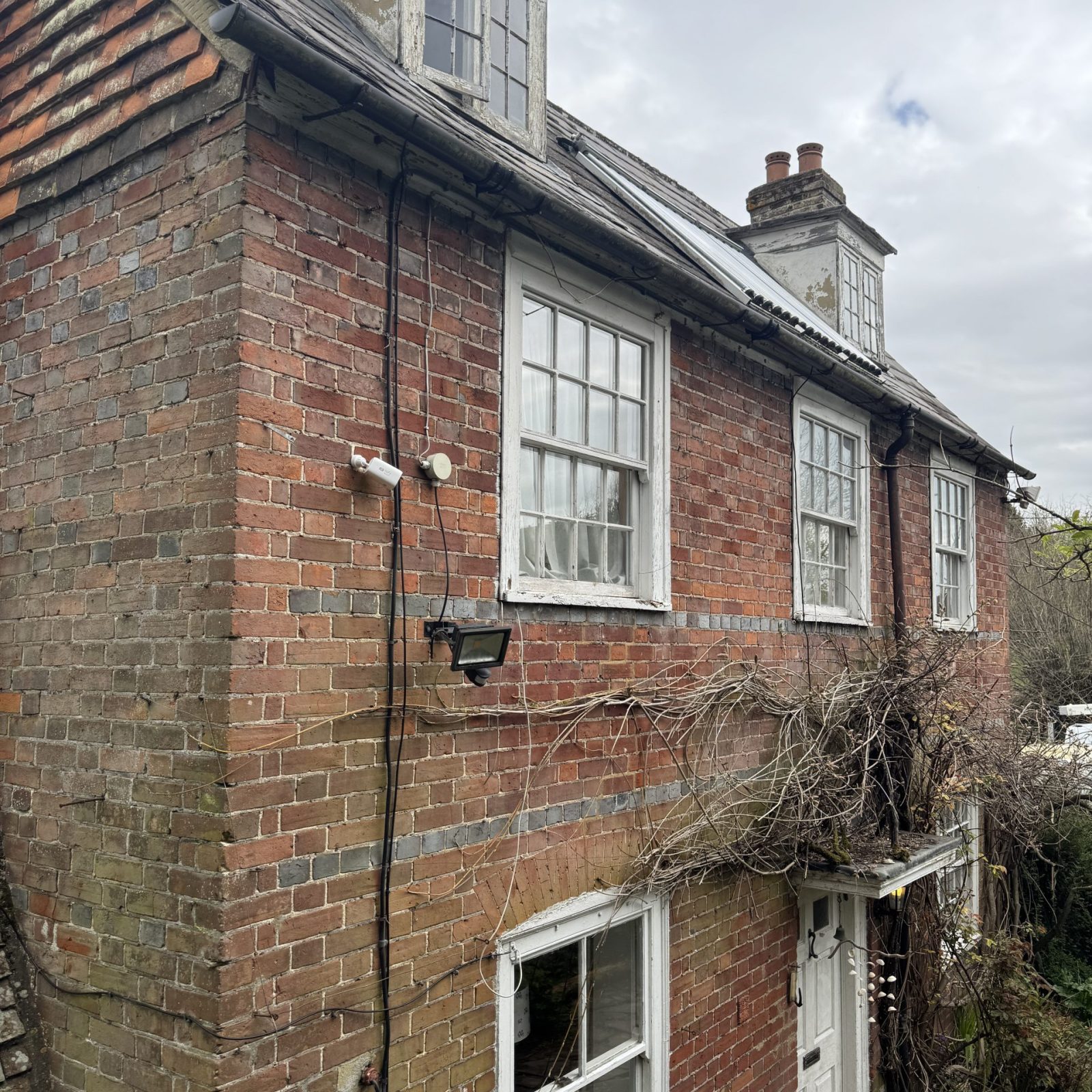
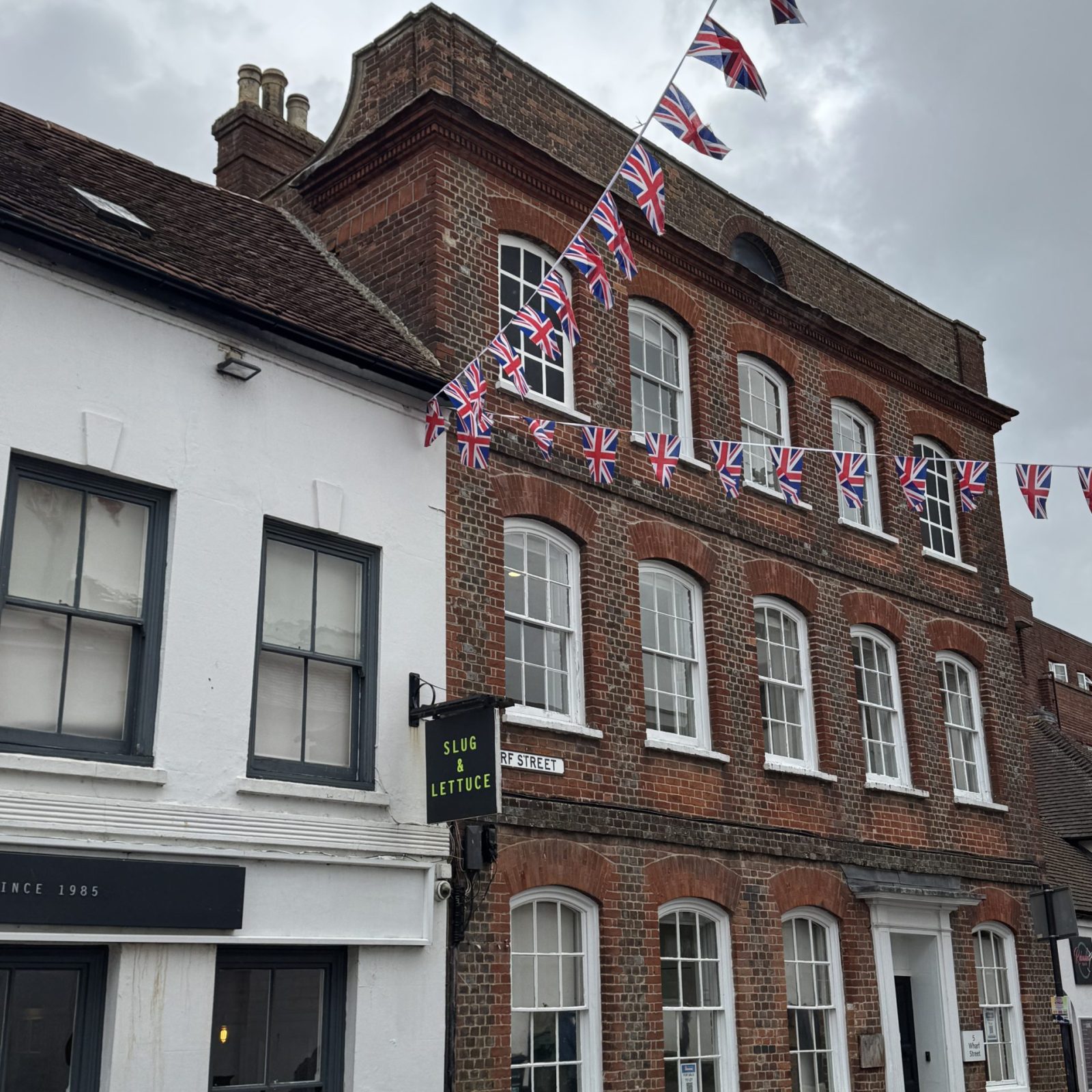
In June 2025, Six Heritage conducted a Preliminary Timber Condition Investigation at 5 Wharf Street, Newbury on behalf of LakeRidge Solutions Ltd. The assessment formed part of pre-refurbishment due diligence works to this Grade II* listed Georgian property, aimed at identifying the condition of roof timbers, moisture-related defects, and biological decay across the structural envelope.

Author

Matthew Amis

Service

Preliminary Timber Condition Investigation (roof structure, decay mapping, moisture analysis, environmental assessment)

Completion

June 2025

Client

LakeRidge Solutions Ltd

Newbury, Berkshire
Newbury, Berkshire

Located within the Newbury Town Centre Conservation Area, 5 Wharf Street is a three-storey, late 18th-century townhouse of red brick and tile construction with distinctive sash windows and parapeted gables. The building’s heritage significance, combined with its urban setting and exposure to weathering, presented challenges typical of Georgian-era construction.

Six Heritage were instructed to assess the condition of the timber roof structure, focusing on decay, insect infestation, and moisture vulnerability, as well as to evaluate how these factors influenced the building’s conservation strategy. The survey revealed that the roof retained substantial historic fabric, with sections dating to the early 1700s, though numerous interventions had taken place through the 19th and 20th centuries.
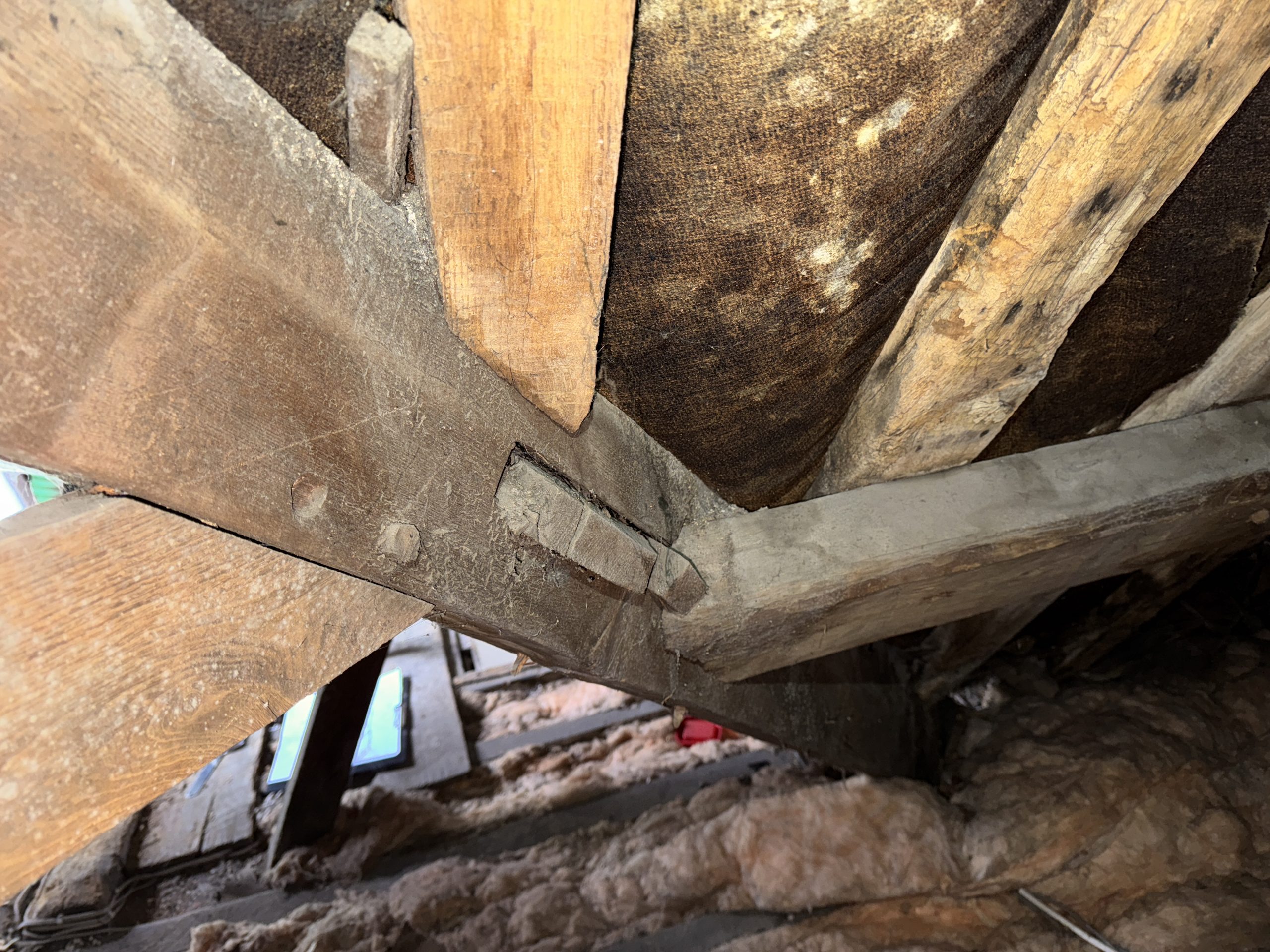
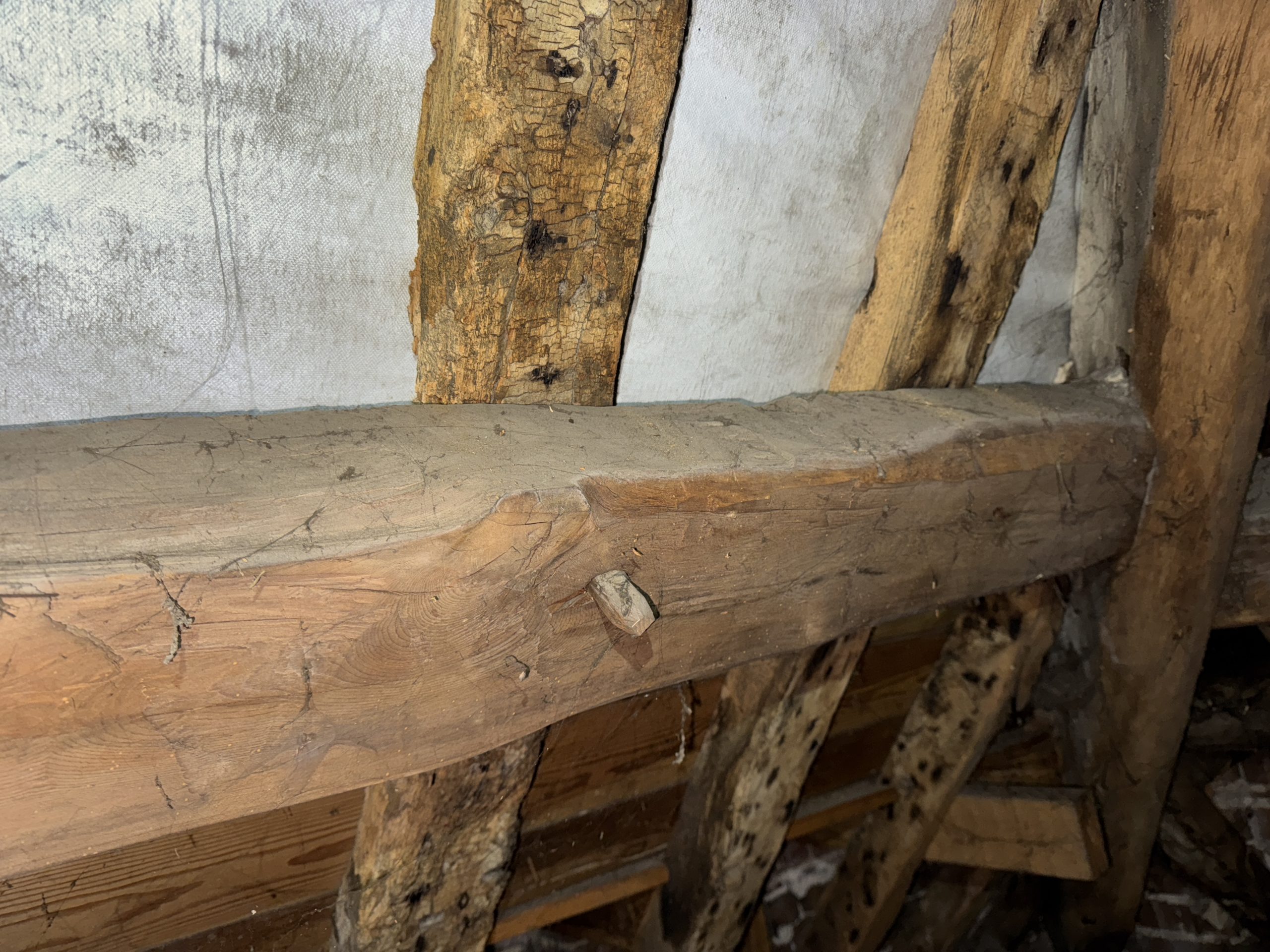
The roof structure was predominantly hipped and pitched, comprising collared principal rafters, valley and hip rafters, side purlins, and joist plates arranged longitudinally east–west, with multiple cross-wings projecting northward. The main truss assembly featured traditional mortise-and-tenon and bridle joints, secured by cleft oak pegs — an indicator of original 18th-century joinery craftsmanship.

Materials analysis confirmed a mix of oak and elm for historic members, supplemented by softwood replacements in later refurbishments. Deep drilling and moisture probing identified localized wet-rot decay at eaves level, primarily affecting timber elements embedded in damp masonry, while the core structure remained sound.

Newbury, Berkshire

Outcome and Recommendations

The survey concluded that the roof remained structurally serviceable, with no evidence of imminent failure. However, several targeted conservation actions were recommended to ensure long-term stability and moisture control.

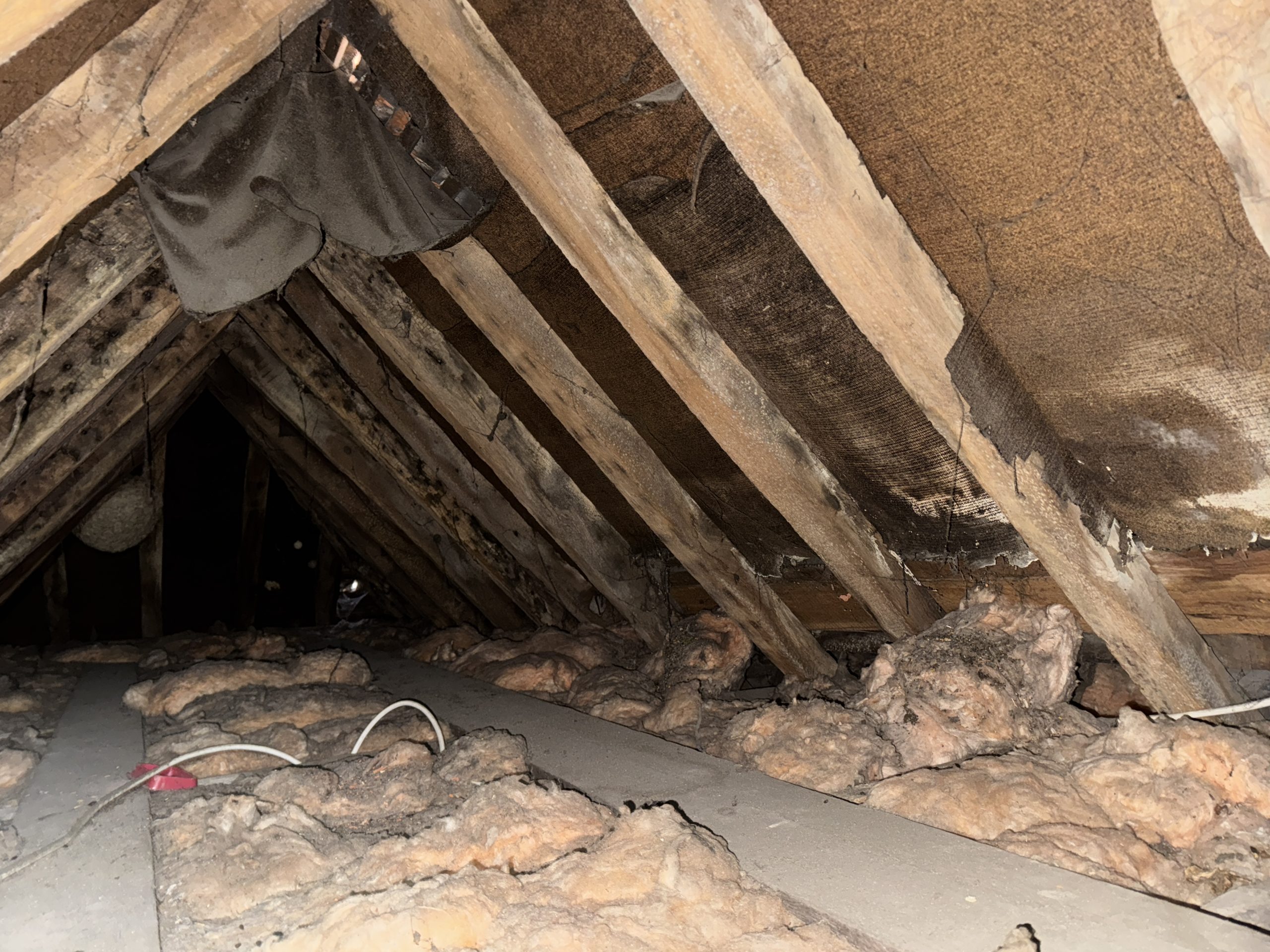
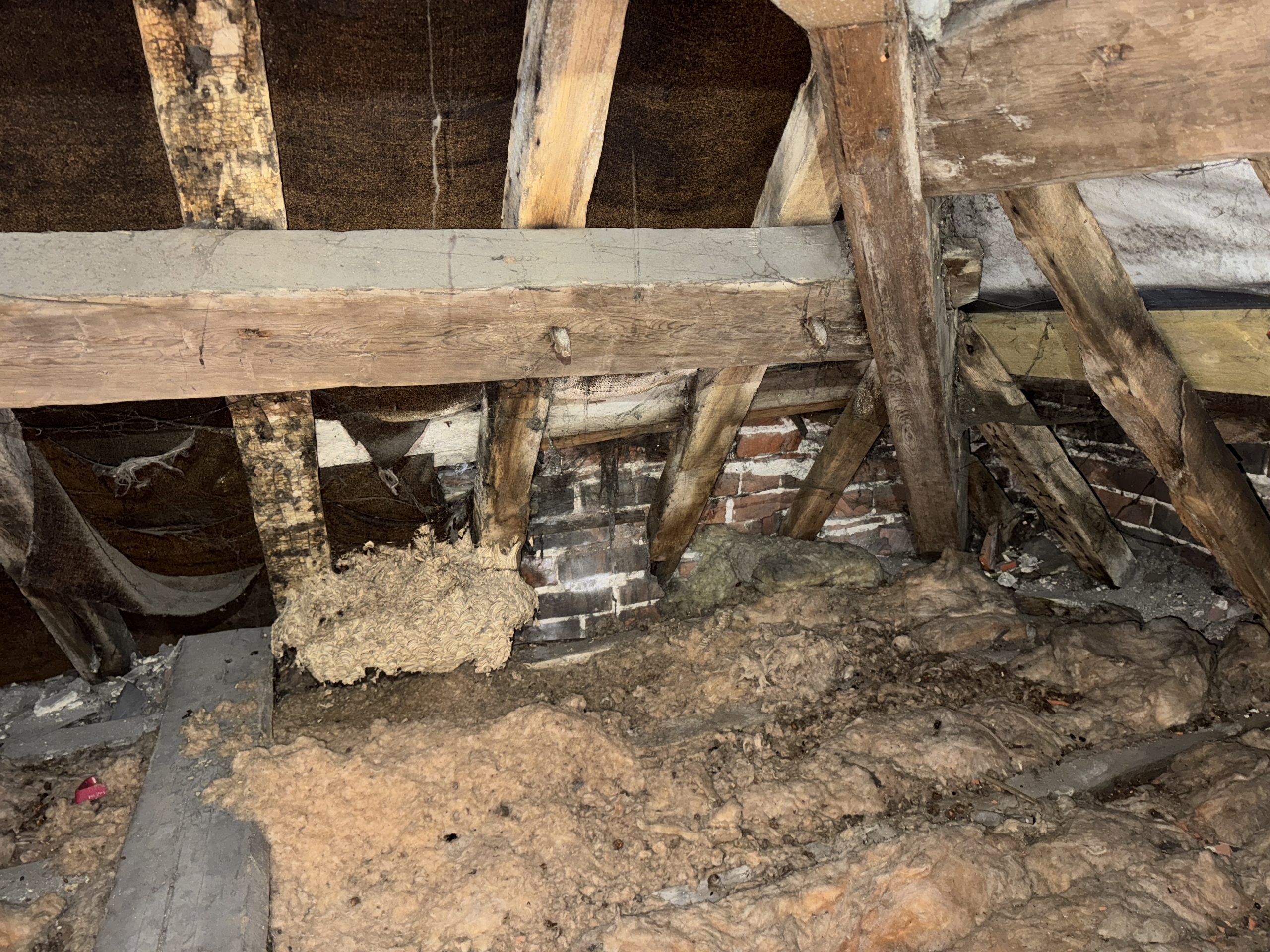
The investigation highlighted extensive, yet largely inactive decay caused by fungal and insect activity, including Common Furniture Beetle (Anobium punctatum) and Deathwatch Beetle (Xestobium rufovillosum). Although decay evidence was visible, moisture readings below 15% w/w confirmed that biological activity had ceased in most areas.

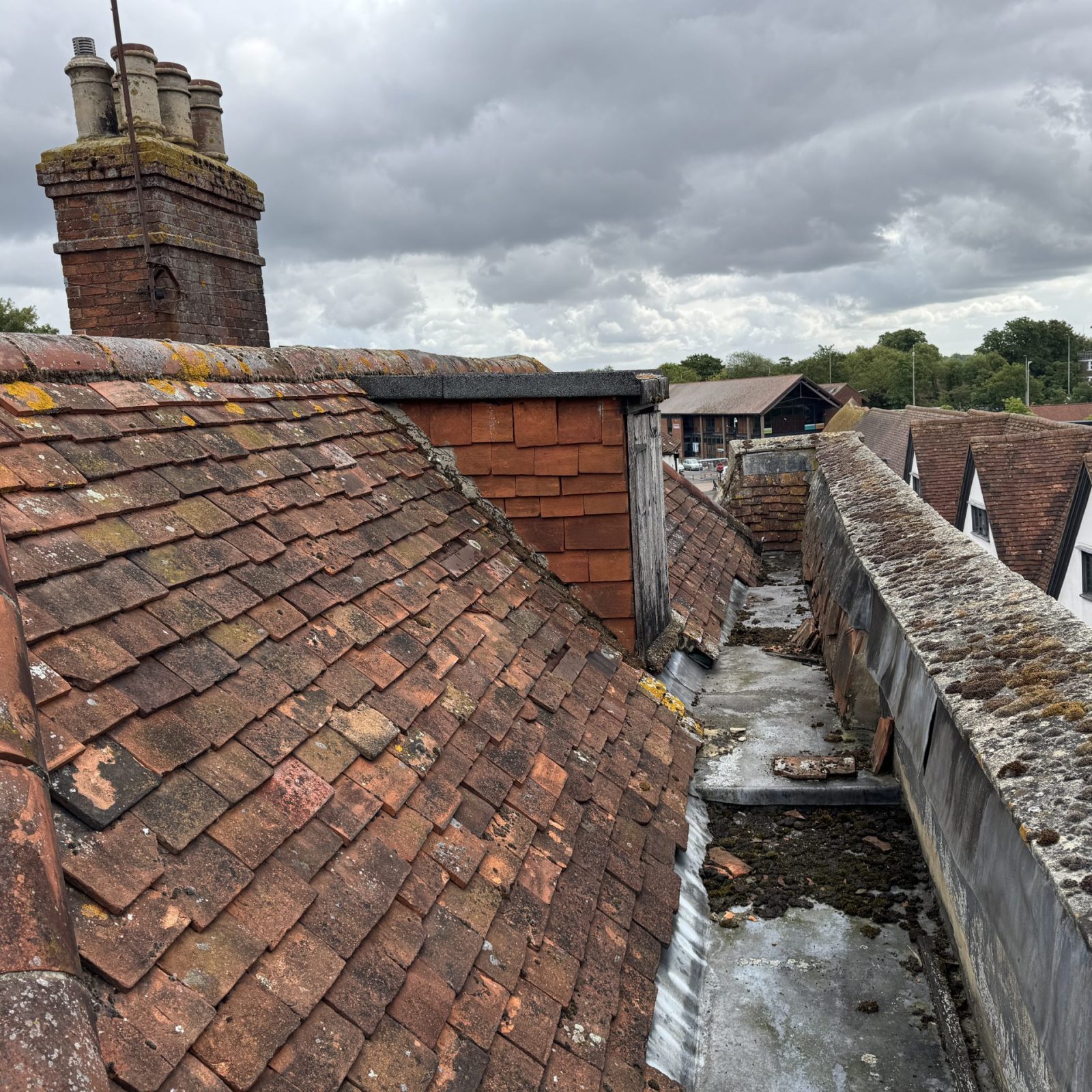
However, elevated moisture levels were detected in timbers adjacent to the east elevation, where defective gutters had allowed rainwater to cascade down the brickwork — resulting in ongoing saturation and surface staining. Localised active mycelial growth was observed to the flat-roof dormer, where internal humidity exceeded recommended levels (60% RH).

Internal inspection revealed inadequate ventilation, with no formal cross-ventilation systems in the void. Elevated humidity, combined with trapped heat, had caused interstitial condensation and mould growth on several rafters and collars.

Context and Materials – Historic Fabric and Conservation Significance

The Grade II* designation of 5 Wharf Street recognises its exceptional architectural value and contribution to Newbury’s historic streetscape. The timber structure showcased a high degree of original craftsmanship, with traditional joinery and early mechanical fixings visible across the principal trusses.

Despite past alterations, the building retains a legible historic core. The combination of oak principal members, handmade clay tiles, and lime-based mortars exemplifies vernacular construction methods typical of 18th-century Berkshire. However, long-term deterioration of external finishes and blocked rainwater goods had created conditions conducive to moisture ingress and biological decay, particularly around parapet gutters and bearing ends of common rafters.

Conclusion

The 5 Wharf Street investigation exemplifies Six Heritage’s integrated approach to heritage diagnostics and sustainable repair strategy. Through detailed condition mapping, moisture analysis, and non-invasive investigation, the team identified a clear path toward remediation — balancing structural safety, environmental performance, and heritage sensitivity.

This project reinforces Six Heritage’s expertise in conserving listed urban properties, ensuring that historic buildings such as 5 Wharf Street remain both structurally resilient and culturally valuable for generations to come.

Outcome and Recommendations

The survey concluded that the roof remained structurally serviceable, with no evidence of imminent failure. However, several targeted conservation actions were recommended to ensure long-term stability and moisture control.

Other projects

Get in touch with us today