We are available throughout the Christmas period. Don't hesitate to enquire today.

Under the lamp

Case study

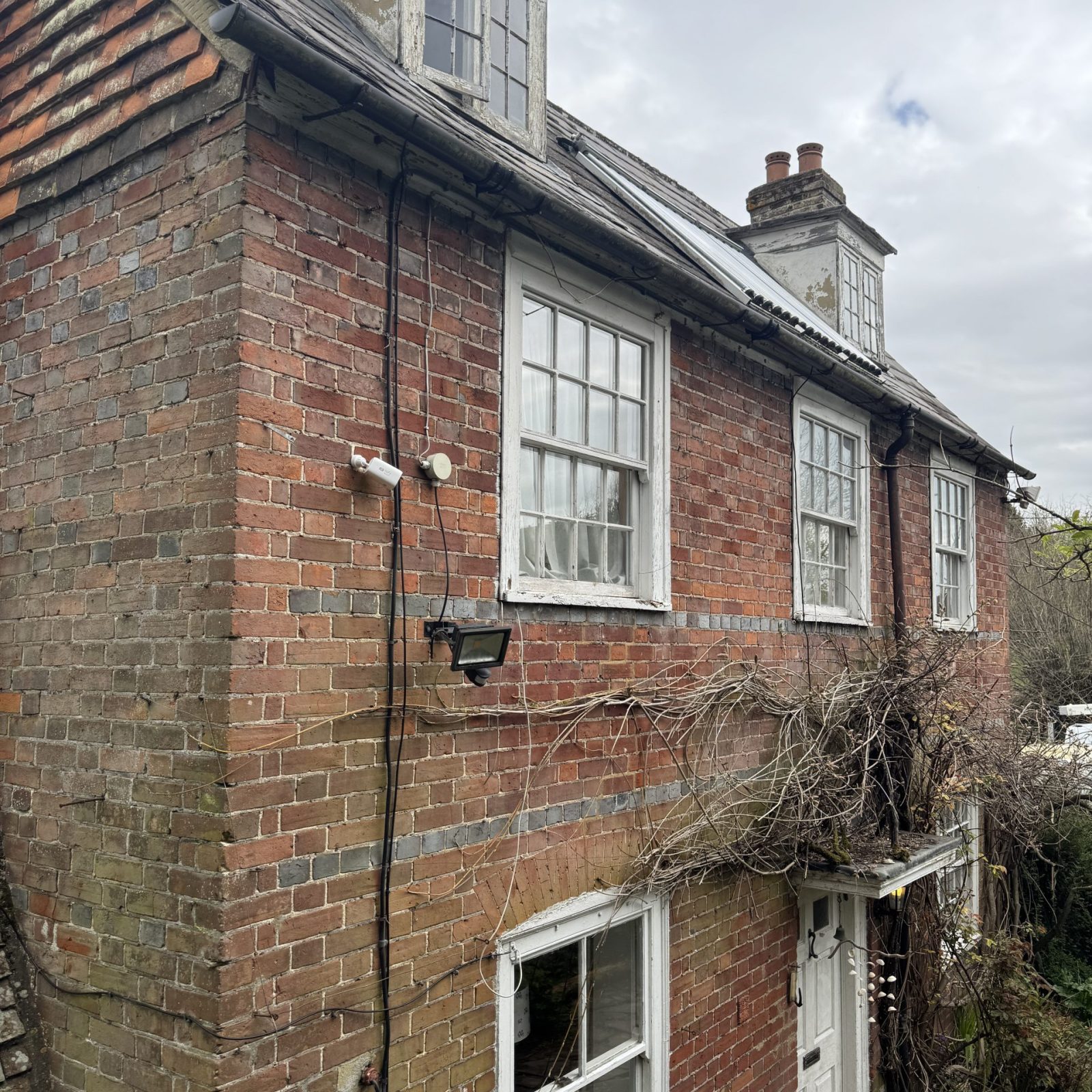
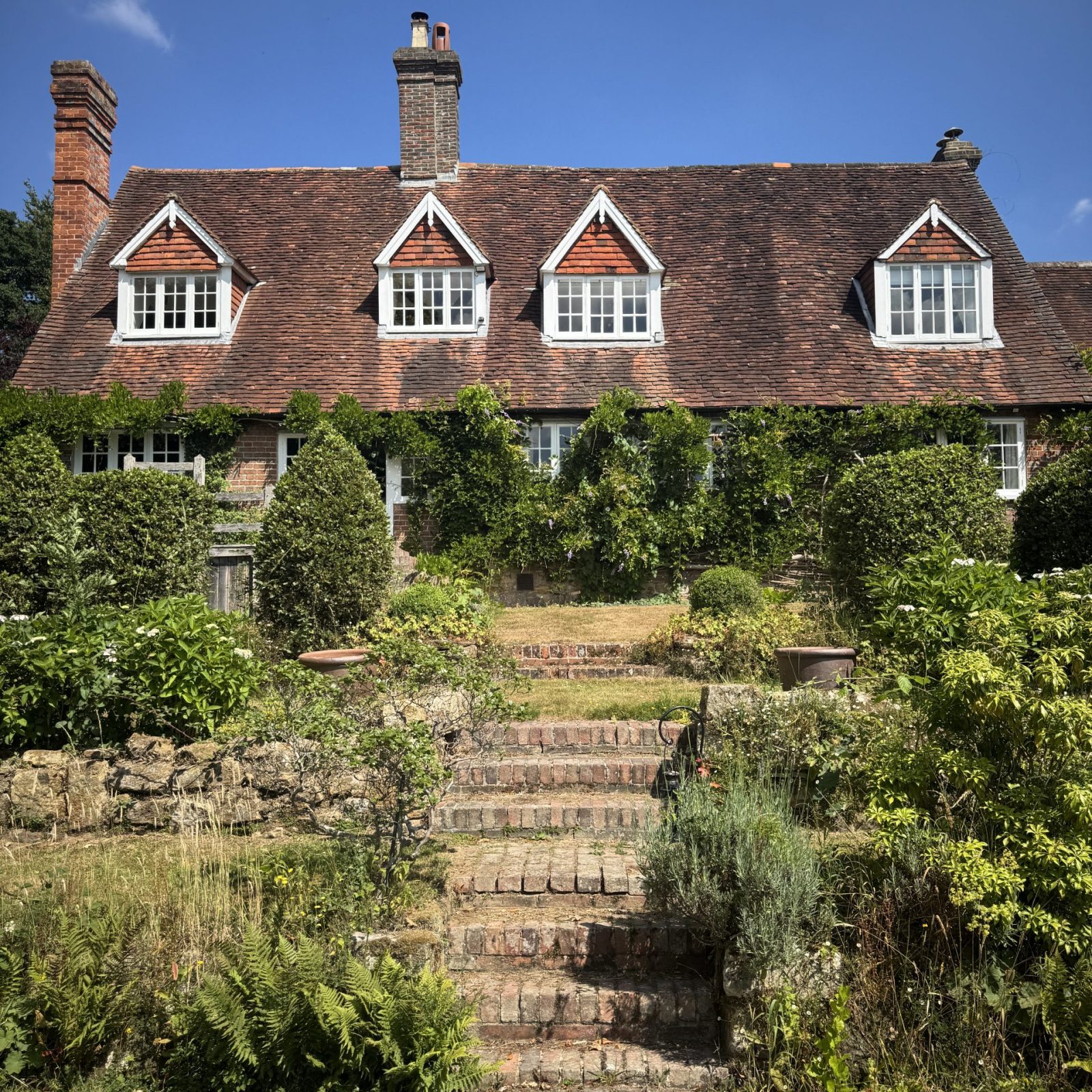
In June 2025, Six Heritage carried out a Timber Decay and Structural Condition Survey at Old Marks Farmhouse, Edenbridge. The investigation formed part of pre-conservation works intended to assess timber condition, decay activity, and structural stability across the principal roof and frame elements of this Grade II listed early 18th-century property.

Author

Matthew Amis

Service

Timber decay and structural condition survey, moisture analysis, environmental profiling, and conservation recommendations

Completion

June 2025

Client

Private

Edenbridge, Kent
Edenbridge, Kent

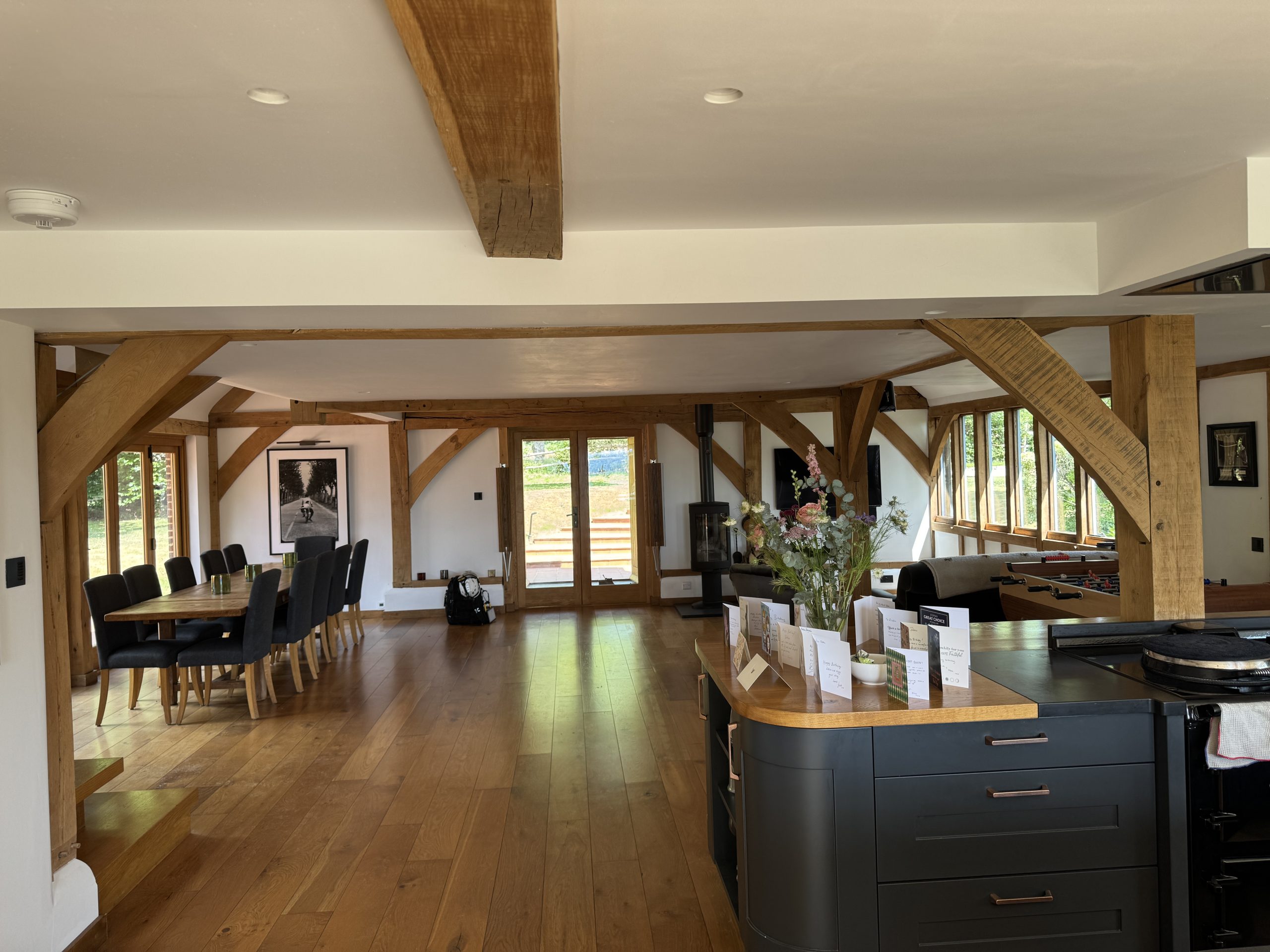
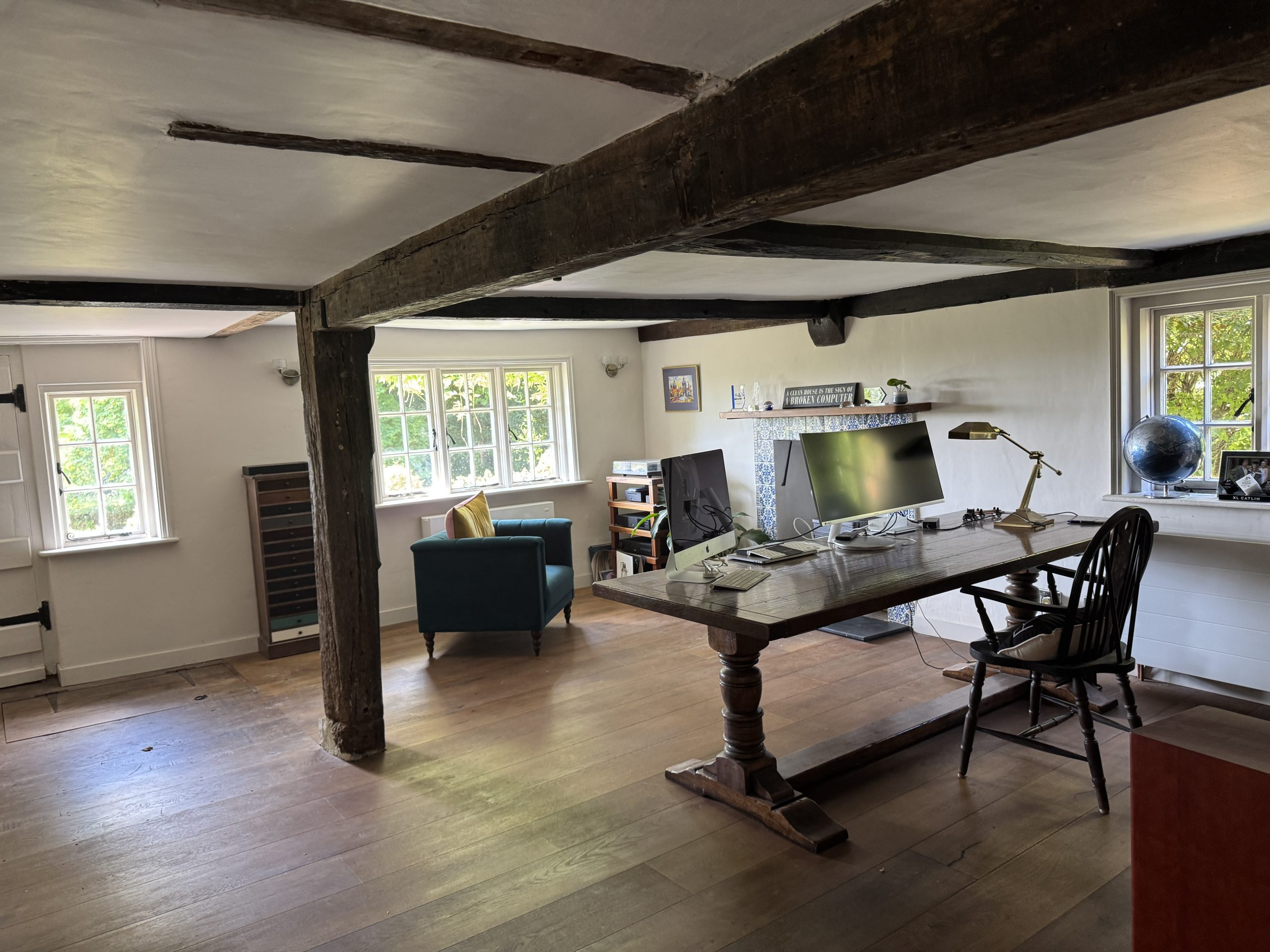
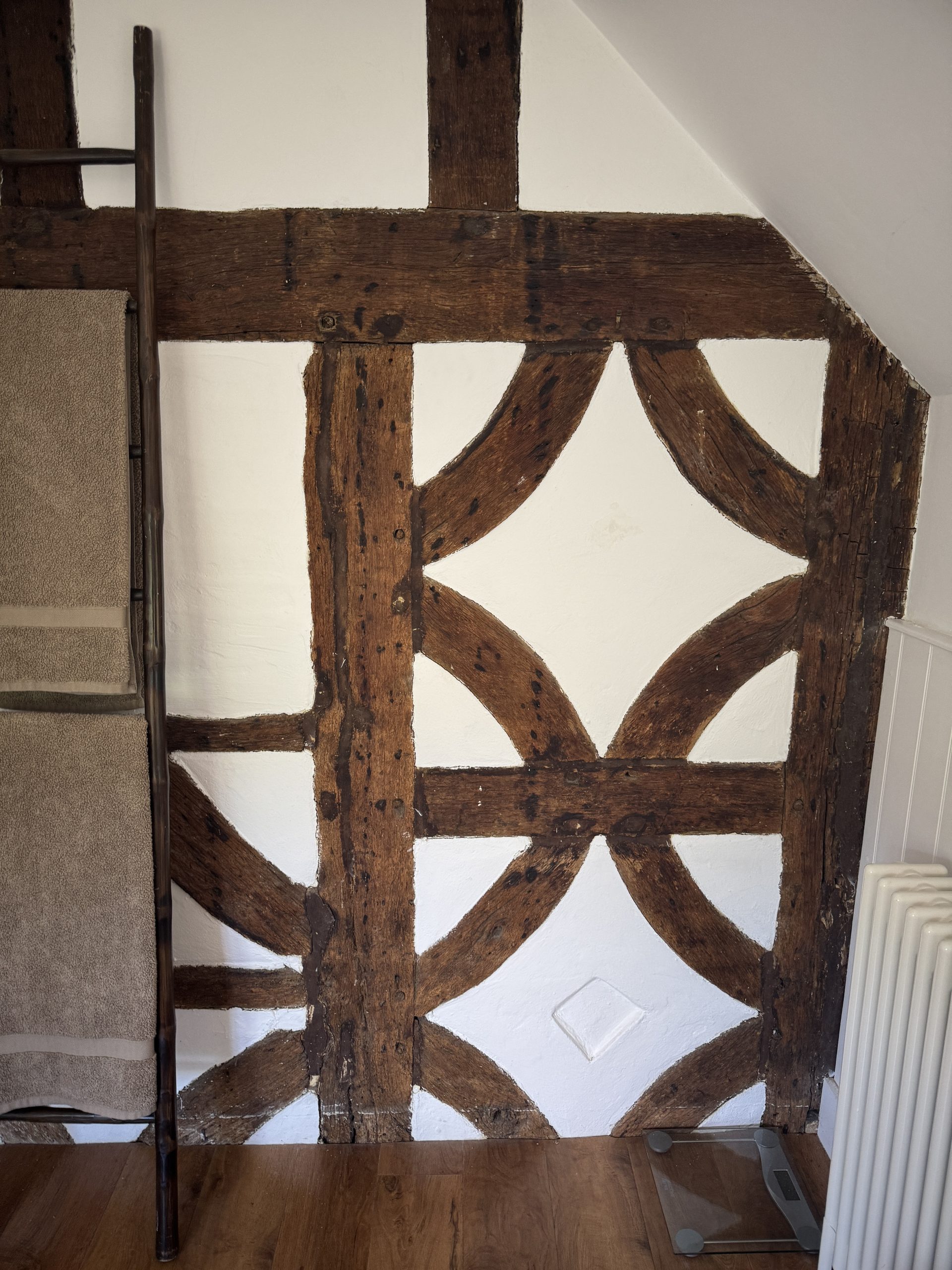
Old Marks is a two-storey, timber-framed farmhouse dating from circa 1720, with later Georgian and Victorian additions. The building exhibits a traditional oak frame construction with wattle-and-daub infill panels and handmade clay roof tiles. Its architectural significance lies in its remarkably complete survival of early carpentry details, alongside later sympathetic extensions that reflect the building’s historical evolution.

Six Heritage were instructed following reports of roof deflection, timber cracking, and signs of dampness to upper floors. The scope of works involved a detailed structural assessment to determine the extent of active decay, historical interventions, and environmental factors contributing to material deterioration.
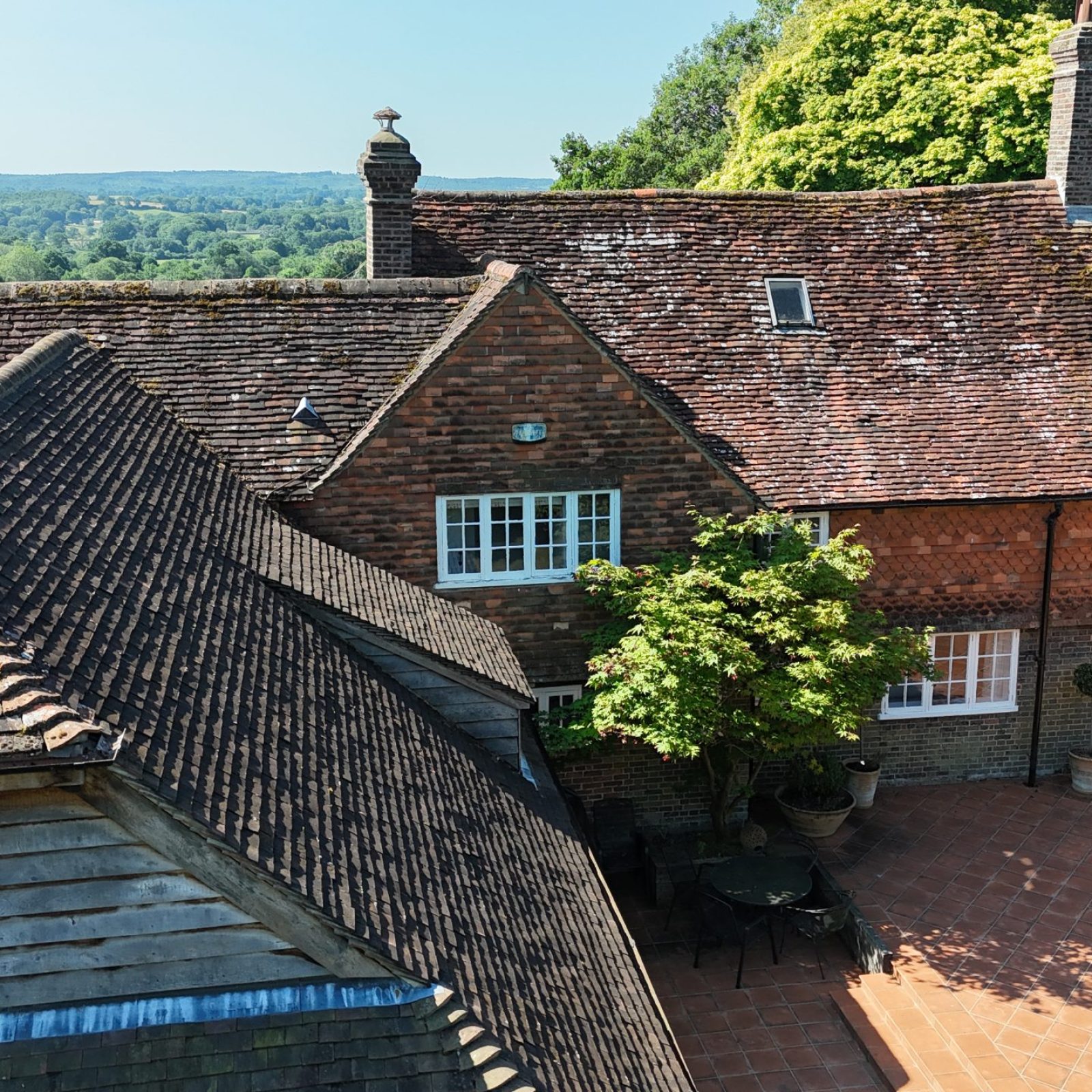
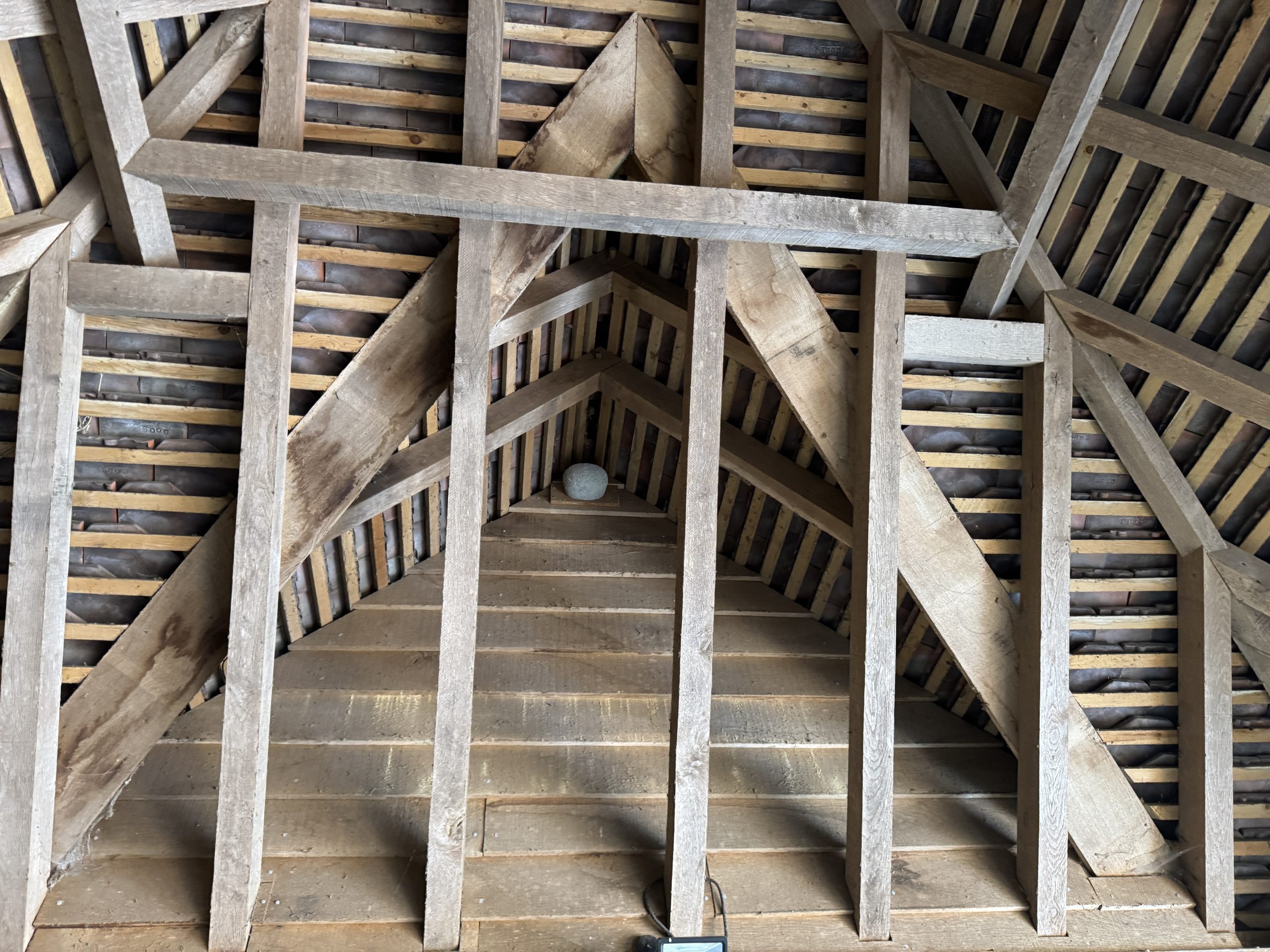
Survey methodology included non-invasive moisture testing, decay resistance drilling, and borescope inspection to evaluate the timber condition without unnecessary fabric disruption. The investigation revealed that the primary roof structure comprised three queen-post trusses of hand-hewn oak, supported by side purlins and common rafters of later softwood origin.

Decay was recorded in several locations where water ingress had occurred due to slipped roof tiles, defective flashings, and failed valley gutters. Elevated moisture levels were found within wall plates and tie beam ends, where embedded timbers were in direct contact with damp masonry. In some areas, moisture content exceeded 22% w/w, indicating conditions favourable to fungal growth.

The survey also identified historic insect damage, primarily from Common Furniture Beetle,  (Anobium punctatum), though no active infestation was present.

Edenbridge, Kent

Outcome and Recommendations

The survey findings informed a conservation-led repair strategy prioritising minimal intervention and material retention. Key recommendations included:

  • Repair or partial replacement of decayed rafter feet, wall plates, and tie beam ends using seasoned oak of matching species and density.
  • Removal of cement-based mortars and reinstatement with lime-based pointing and bedding to restore breathability.
  • Introduction of passive ventilation within the roof void, reducing humidity and interstitial condensation.
  • Replacement of defective flashings and valley gutters, reinstating proper drainage away from vulnerable timber interfaces.
  • Monitoring of humidity and moisture levels through seasonal cycles to verify improvement post-remediation.
  • Surface treatment of inactive insect damage areas using a low-toxicity, conservation-grade biocide.

The southern elevation displayed localised deflection, attributed to long-term settlement rather than immediate structural failure. Differential movement between oak frame members and later brick infill had created small gaps and minor diagonal cracking at panel junctions.

At roof level, isolated instances of wet rot (Coniophora puteana) and brown rot decay were observed to rafter feet and ceiling joists adjacent to parapet walls. These areas corresponded with previous water ingress pathways. Despite these defects, the majority of structural timbers remained stable, retaining adequate section size and bearing capacity.

Six Heritage also noted the presence of cementitious repairs and non-breathable coatings applied during late 20th-century maintenance, which had trapped moisture within the timber-to-masonry interfaces.

Context and Materials – Construction and Conservation Significance

Old Marks embodies traditional Essex vernacular architecture, characterised by oak post-and-beam framing, lime plastered panels, and handmade clay tiles. The building’s fabric tells a clear story of its adaptive reuse over three centuries, with visible evidence of different repair campaigns.

While structurally resilient, the report concluded that inappropriate modern materials and inadequate ventilation had accelerated localised decay within otherwise durable oak elements. The study highlighted the importance of reinstating breathable repair materials and natural moisture regulation in conserving heritage timber buildings.

Conclusion

The Old Marks Farmhouse project demonstrates Six Heritage’s expertise in diagnostic heritage surveying and sustainable building conservation. Through detailed decay mapping and environmental assessment, the team provided the client with a robust repair framework that respected the building’s historic fabric while ensuring long-term stability and performance.

The project embodies Six Heritage’s conservation philosophy — combining scientific precision with traditional understanding to safeguard Britain’s architectural heritage for future generations.

Outcome and Recommendations

The survey findings informed a conservation-led repair strategy prioritising minimal intervention and material retention. Key recommendations included:

  • Repair or partial replacement of decayed rafter feet, wall plates, and tie beam ends using seasoned oak of matching species and density.
  • Removal of cement-based mortars and reinstatement with lime-based pointing and bedding to restore breathability.
  • Introduction of passive ventilation within the roof void, reducing humidity and interstitial condensation.
  • Replacement of defective flashings and valley gutters, reinstating proper drainage away from vulnerable timber interfaces.
  • Monitoring of humidity and moisture levels through seasonal cycles to verify improvement post-remediation.
  • Surface treatment of inactive insect damage areas using a low-toxicity, conservation-grade biocide.

Other projects

Get in touch with us today