We are available throughout the Christmas period. Don't hesitate to enquire today.

Under the lamp

Case study

Six Heritage was appointed by Freetown City Council to undertake a preliminary risk management and condition survey of the historic Old Freetown City Council building complex, located on the north coast of Freetown and facing Kroo Bay. The complex comprises the Old FCC Building the and Bicentennial House, both of which have undergone multiple phases of alteration and repair over their lifespan.

Author

Matthew Amis

Service

Preliminary risk management and condition survey, including assessment of roof structures, façades, rainwater goods, timber decay mechanisms, damp and environmental conditions

Completion

June 2025

Client

Freetown City Council

Old Freetown City Council

The instruction followed concerns regarding ongoing water ingress, timber decay, and the general vulnerability of the structures due to age, exposure to a coastal climate, and lapses in maintenance. The survey was intended to inform both short-term risk mitigation and longer-term refurbishment strategies.

Six Heritage adopted a holistic approach, combining visual inspection, targeted invasive investigations, moisture measurements, thermography, and videoscope inspections where access was limited. The aim was to identify active defects, latent risks, and areas of increased vulnerability, while remaining sensitive to the historic fabric and context of the buildings
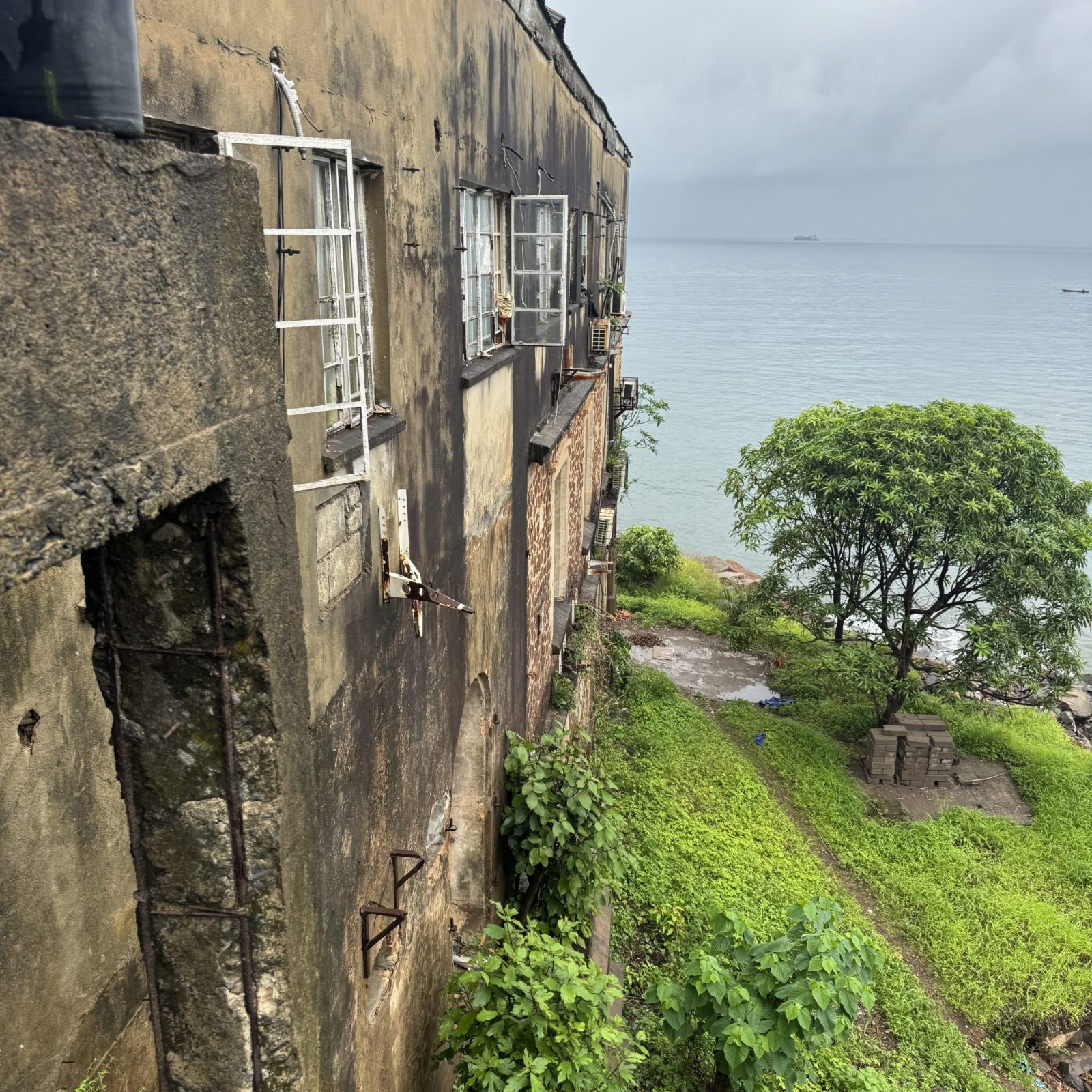
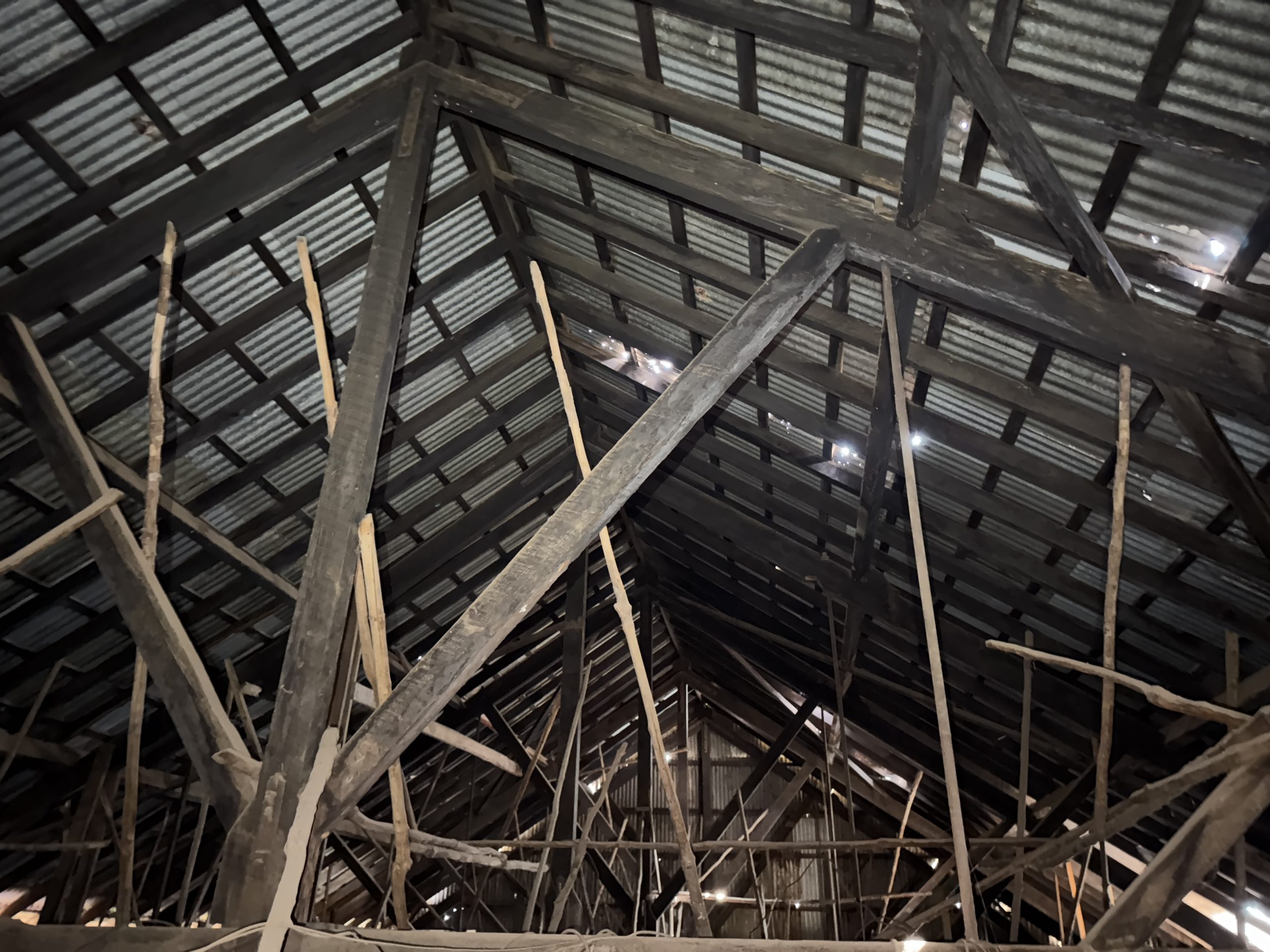
The survey identified widespread defects to roof finishes and rainwater goods, resulting in ongoing water penetration to both buildings. Corrugated metal roof coverings, dating to multiple phases of refurbishment, were generally found to be at or near the end of their effective service life. The absence or failure of downpipes and eaves guttering had allowed rainwater to discharge directly down façade masonry, contributing to damp conditions and accelerated material decay.

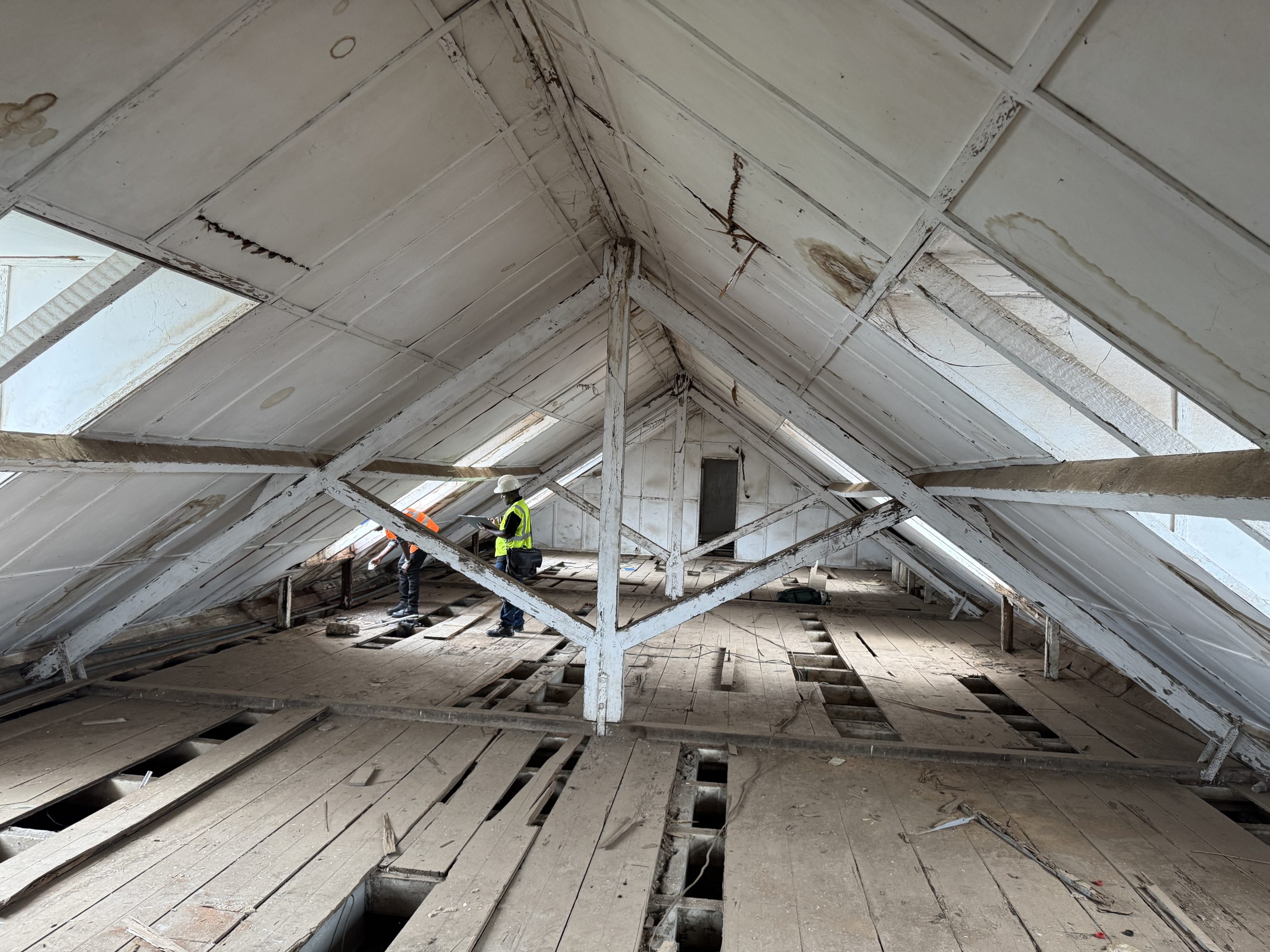
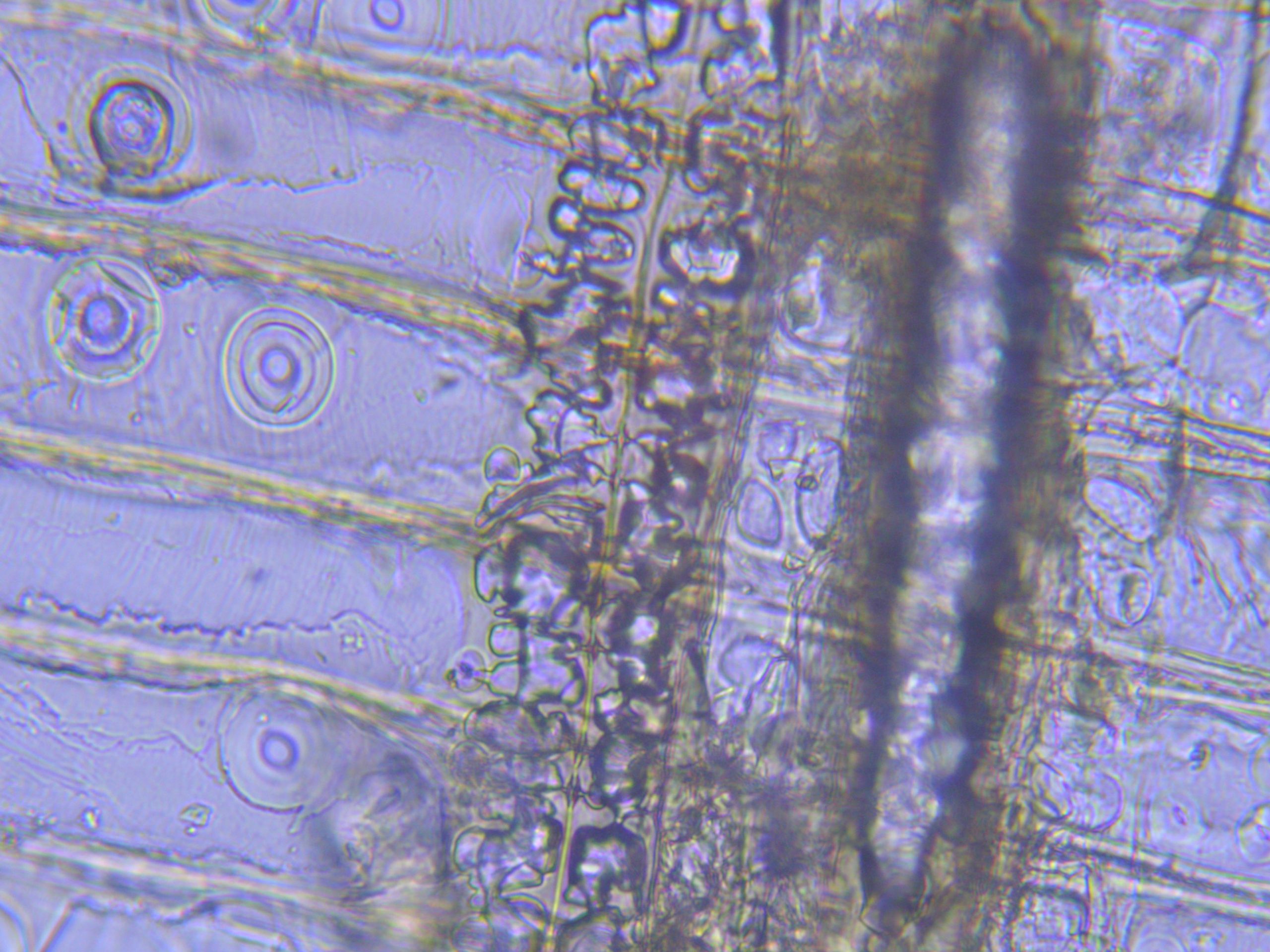
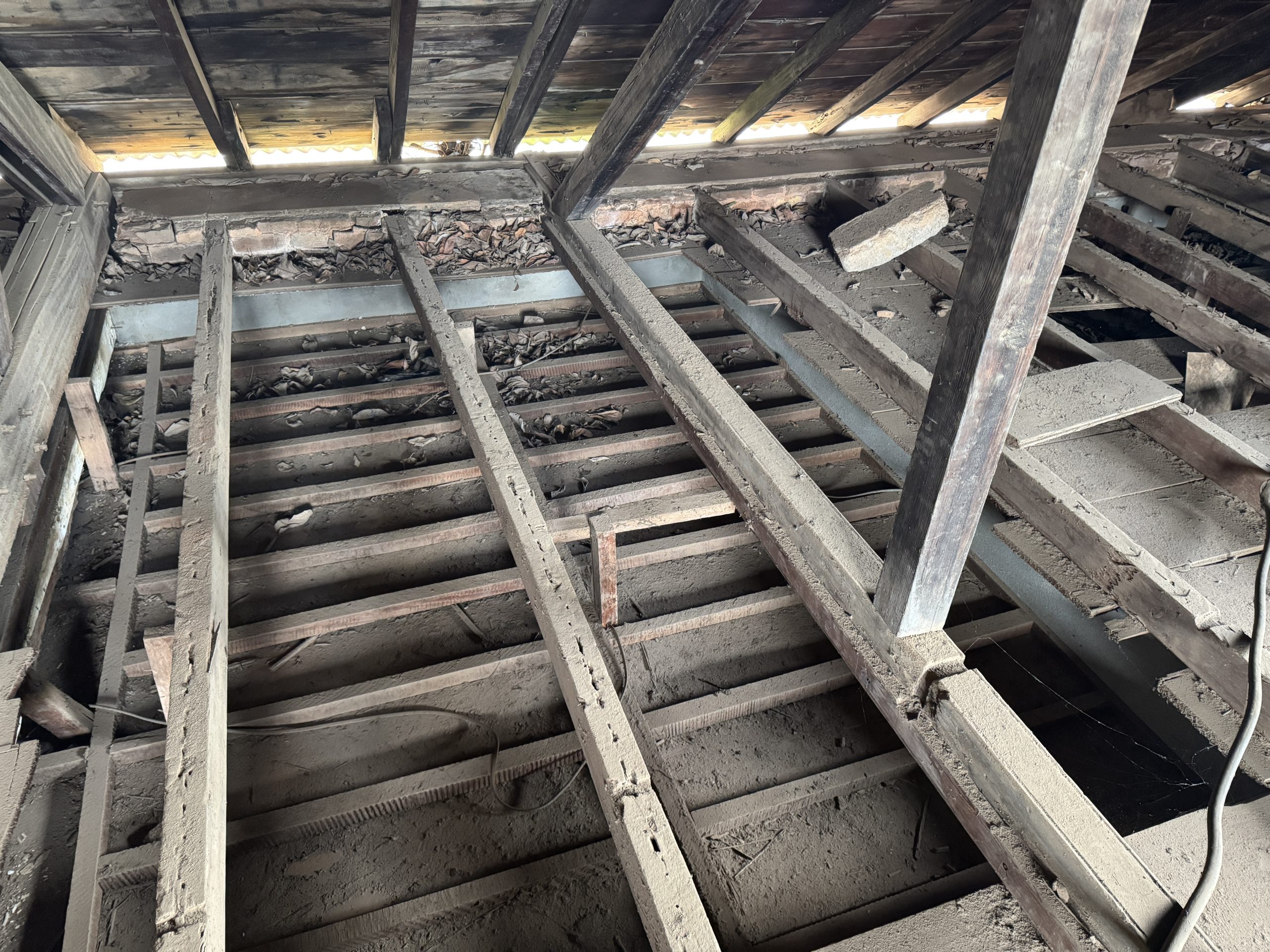
Internally, timber roof structures were typically formed of historic pitch pine elements arranged in king post trusses. Localised decay, insect activity, and structural inadequacies were identified, particularly at eaves level and in areas subject to chronic damp conditions. Moisture readings indicated that while some decay was historic and inactive, the prevailing high humidity levels created an environment highly conducive to future fungal decay and termite infestation if defects were not addressed.

Suspended ceilings, particularly within the Old FCC Building, were found to be inherently vulnerable. In one instance, a suspended ceiling at ground floor level had already collapsed, likely due to a combination of damp conditions and termite activity.

Old Freetown City Council

The survey concluded with the development of a phased refurbishment and risk management strategy. Immediate priorities focused on preventing further water ingress, improving ventilation, and clearing debris to stabilise the buildings in the short term. Medium- and long-term recommendations included renewal of roof finishes and rainwater goods, careful repair of historic masonry and laterite stonework using breathable materials, and targeted timber repairs informed by structural engineering input.

The resulting report now serves both as a roadmap for refurbishment and a long-term reference document to guide conservation-led decision-making for this significant civic building complex.

Context and materials – Climate, damp and timber vulnerability

The coastal, tropical climate of Freetown presents a challenging environment for historic buildings. Ambient conditions recorded during the survey showed consistently high relative humidity and elevated dew points, limiting the ability of timber and masonry to dry. These conditions significantly increase the risk of fungal decay, wood-boring beetle attack, and termite infestation.

The buildings were originally designed to function through passive ventilation, and where this remained unobstructed, the historic fabric had generally performed well. However, later alterations, combined with defective roof coverings and poor rainwater management, had compromised this balance and increased the vulnerability of structural timbers and interior finishes.

Other projects

Get in touch with us today