We are available throughout the Christmas period. Don't hesitate to enquire today.

Under the lamp

Case study

In August Six Heritage carried out a detailed lintel condition survey to assess the construction, condition, and vulnerability of lintels forming window and door openings within the heritage elevations of a Grade II listed building.

Author

Matthew Amis

Service

Lintel condition survey including decay detection drilling, moisture probing, visual inspection, and risk-based assessment of timber, metal, and solid lintel construction

Completion

August 2025

Client

Midgard Ltd

1 Golden Lane, London

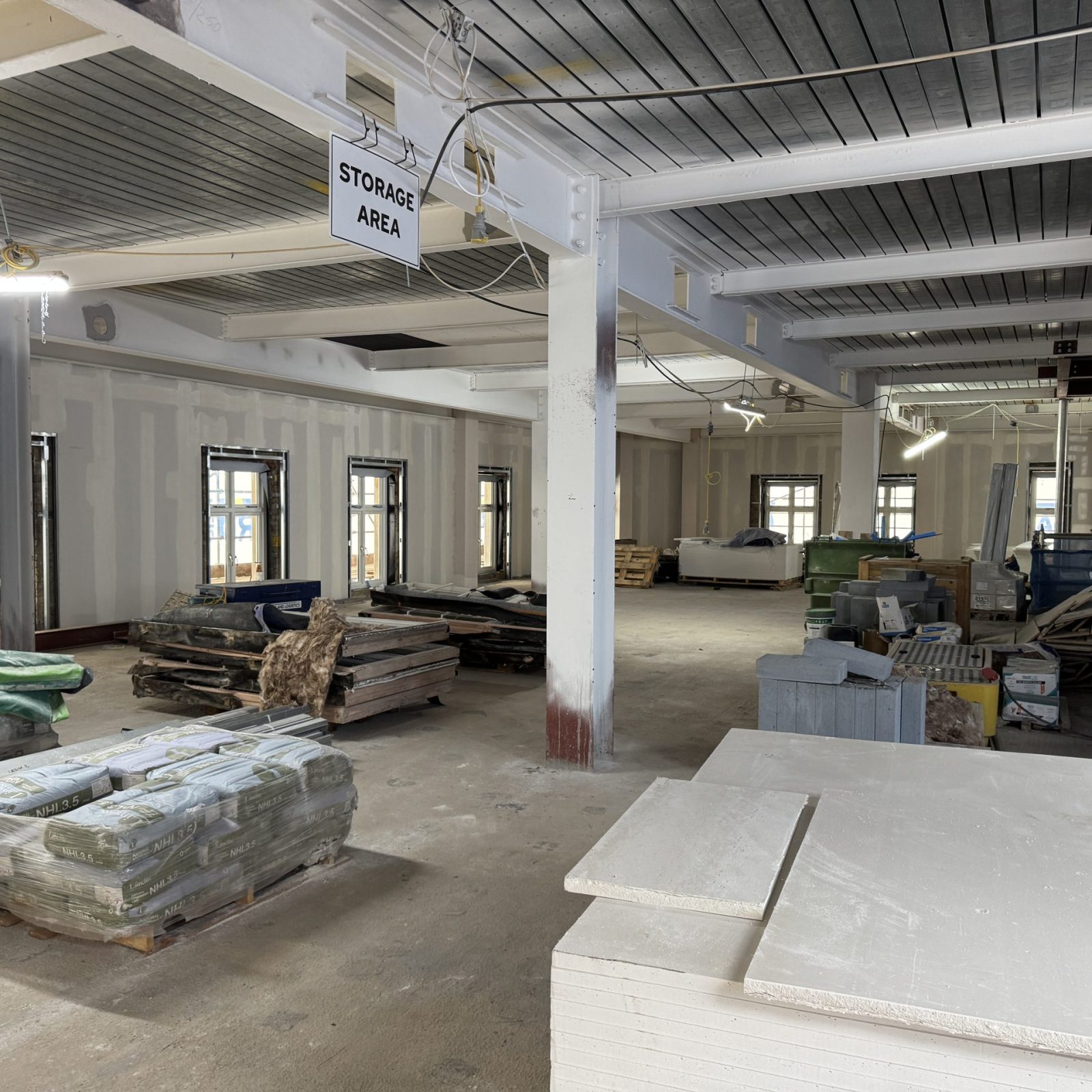
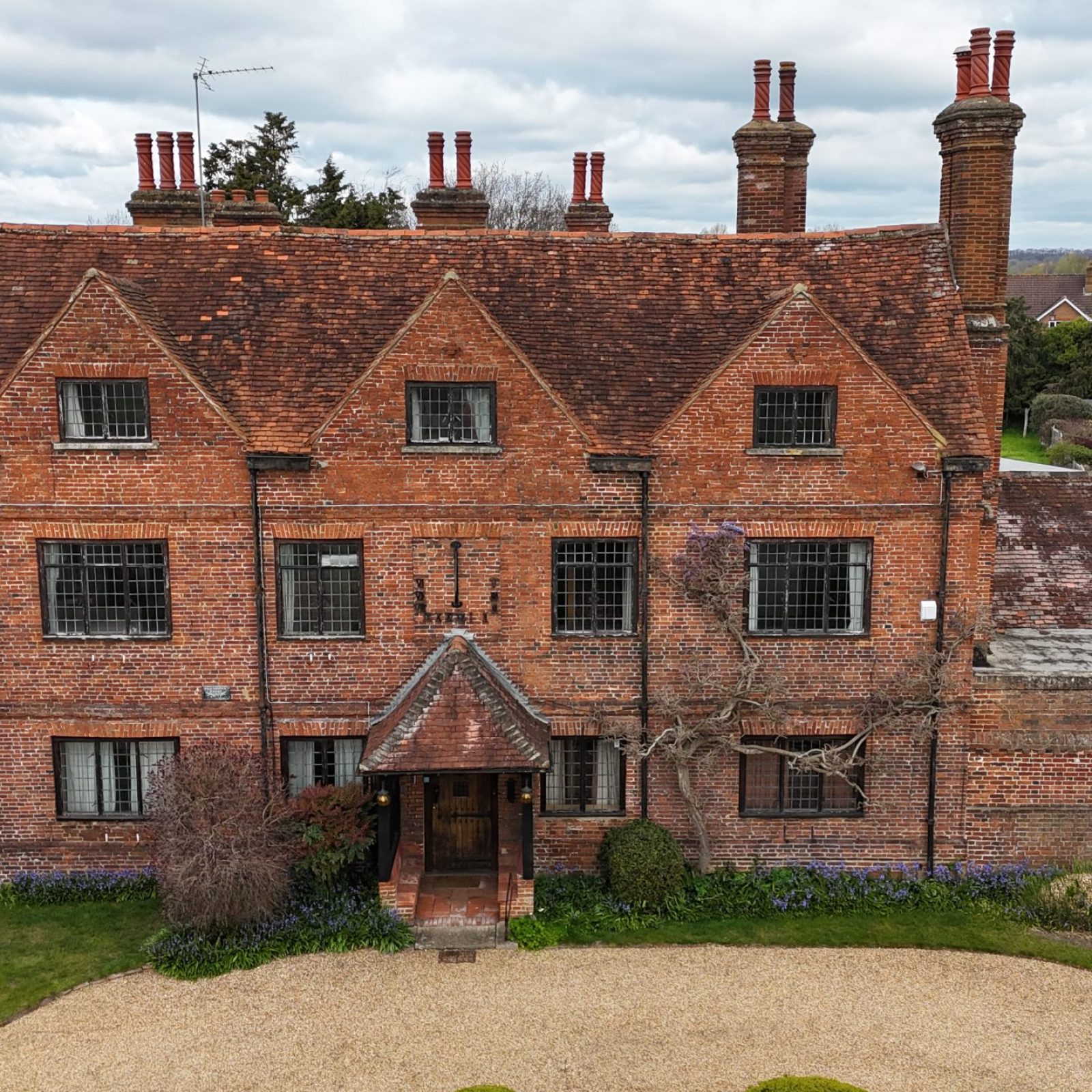
1 Golden Lane is a Grade II listed building located within the Barbican and Golden Lane Conservation Area, originally constructed as part of the Cripplegate Institute. The structure is arranged over six storeys, with further accommodation located within a contemporary roof structure, and features historic brick façades with original window proportions and detailing.

Six Heritage was instructed to undertake a lintel condition survey as part of an ongoing programme of refurbishment and reconfiguration works. Concerns had been raised regarding the presence and condition of historic timber lintels embedded within the external masonry, particularly given the complex construction history of the building and the heightened risk of moisture ingress associated with heritage façades.

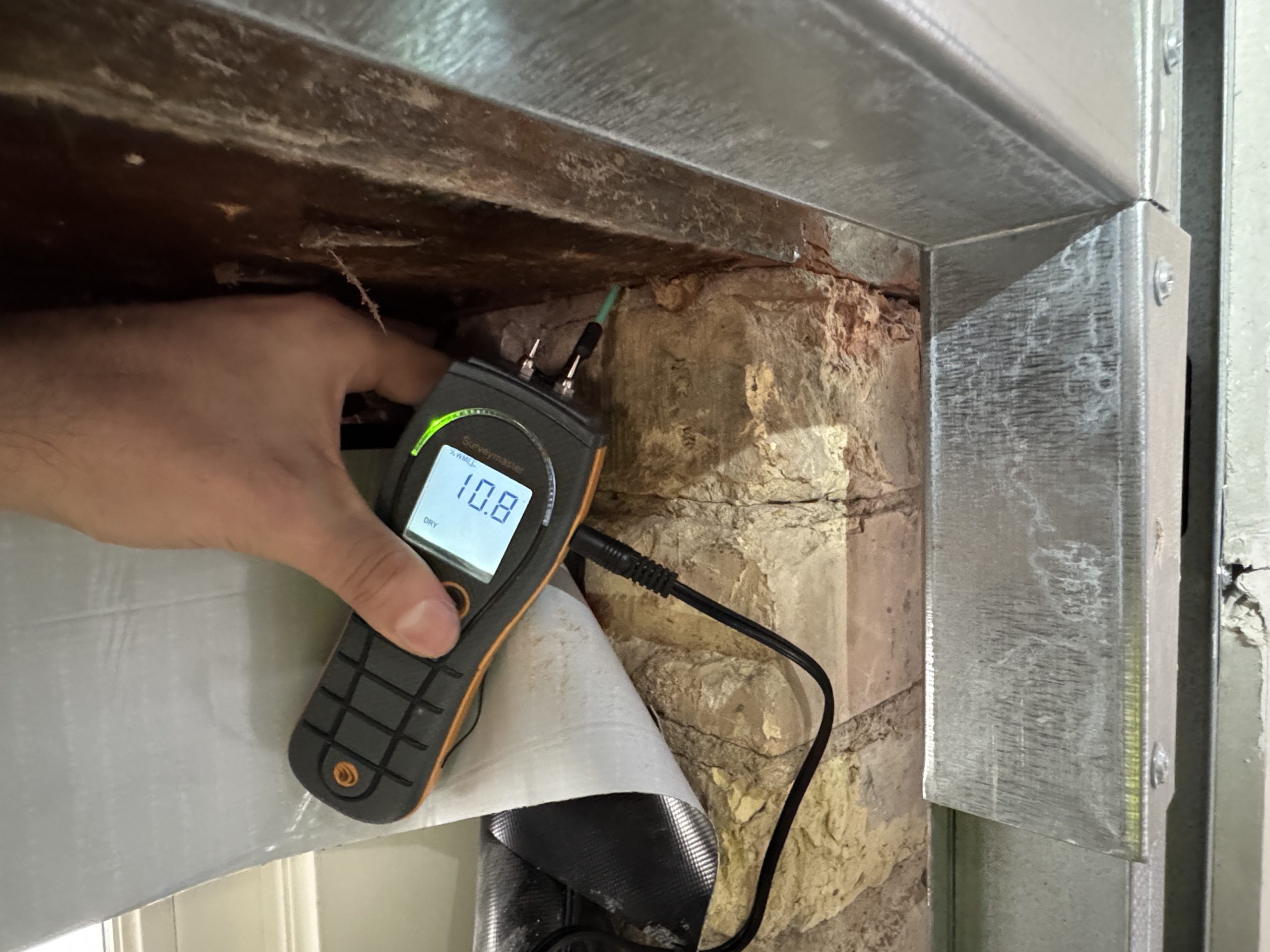
The survey was undertaken using a holistic and risk-based methodology, incorporating visual and tactile inspection, decay detection drilling, moisture probing, and thermal imaging where access was restricted. This approach enabled Six Heritage to establish the likely construction and condition of lintels while minimising disturbance to the historic fabric.
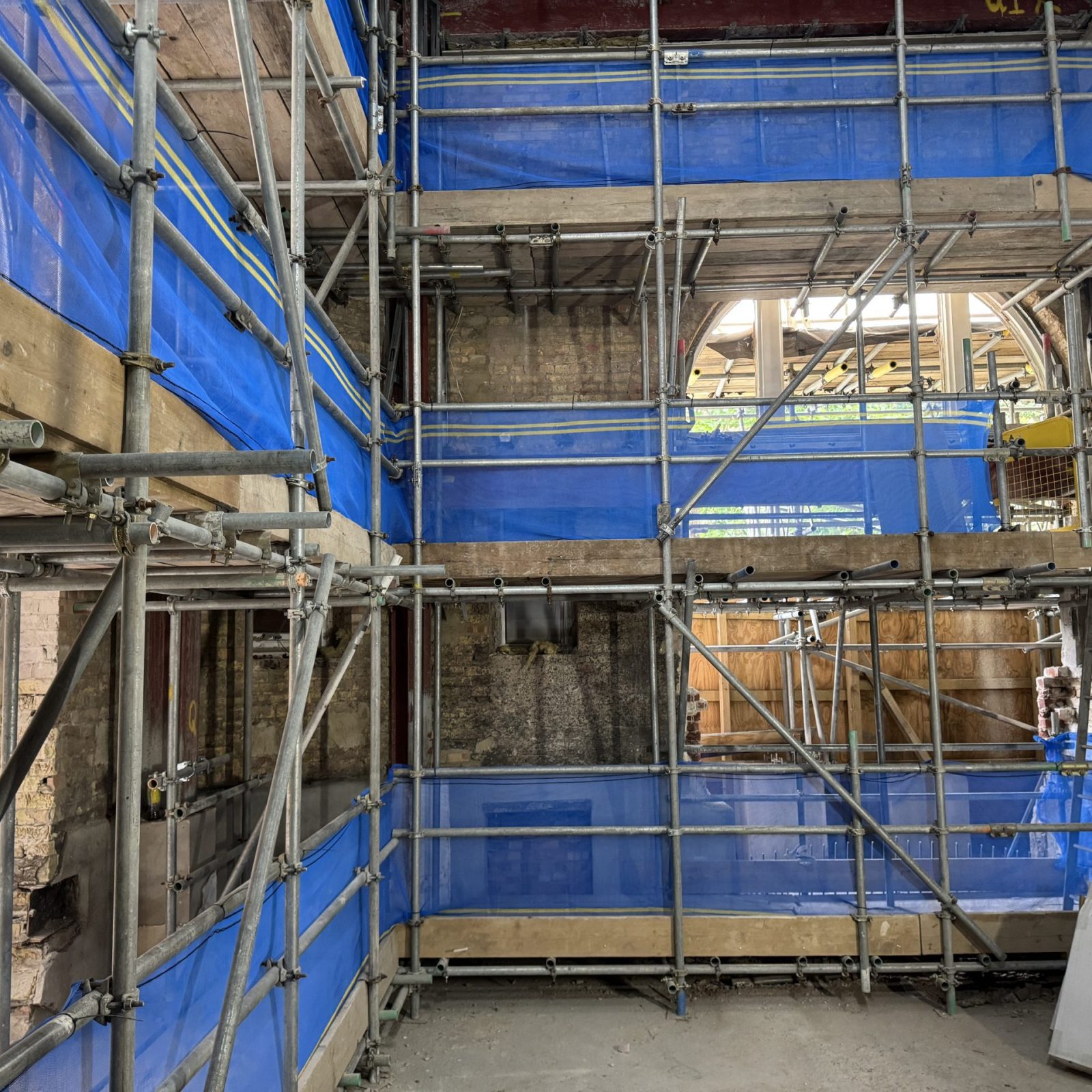
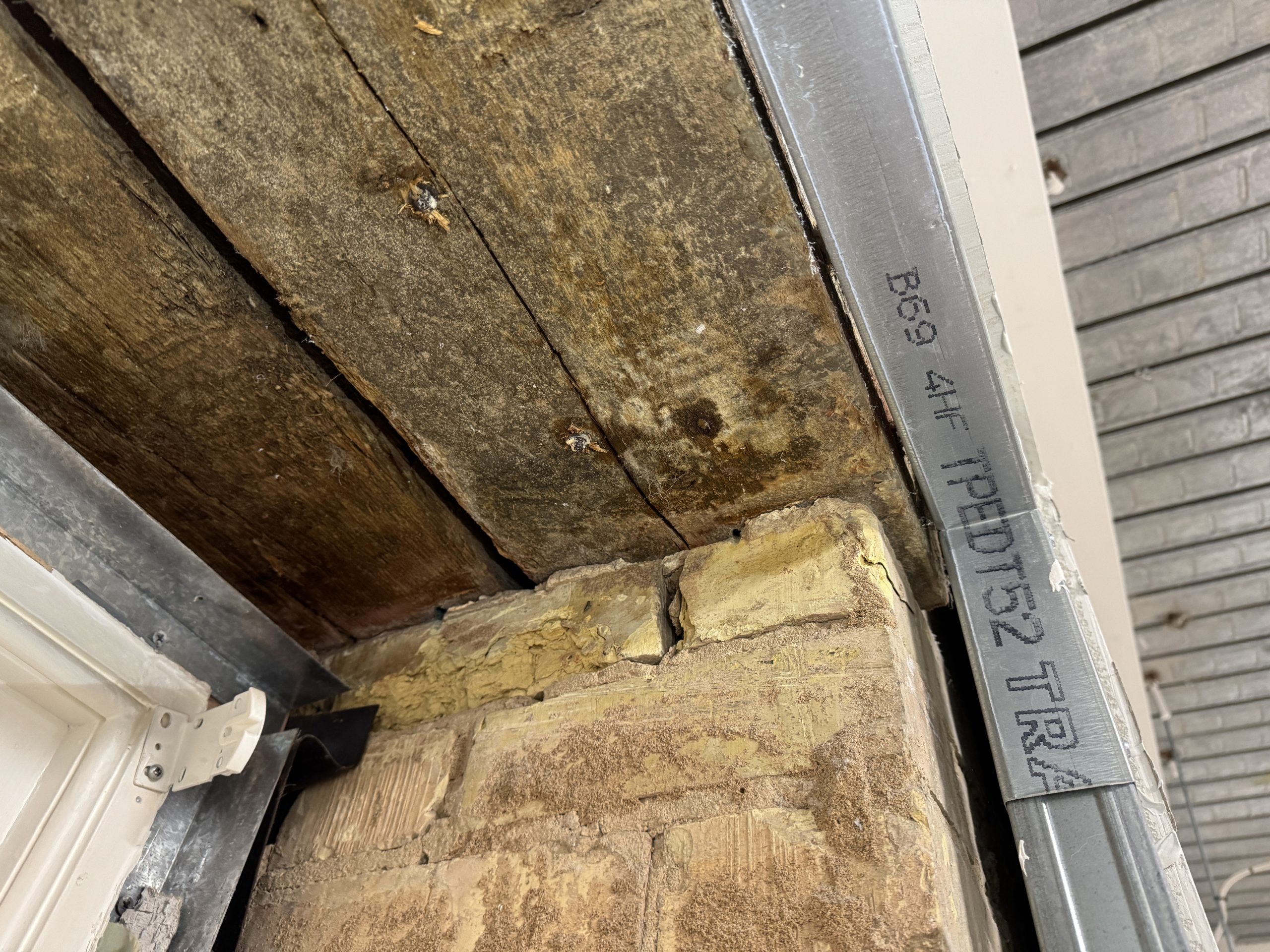
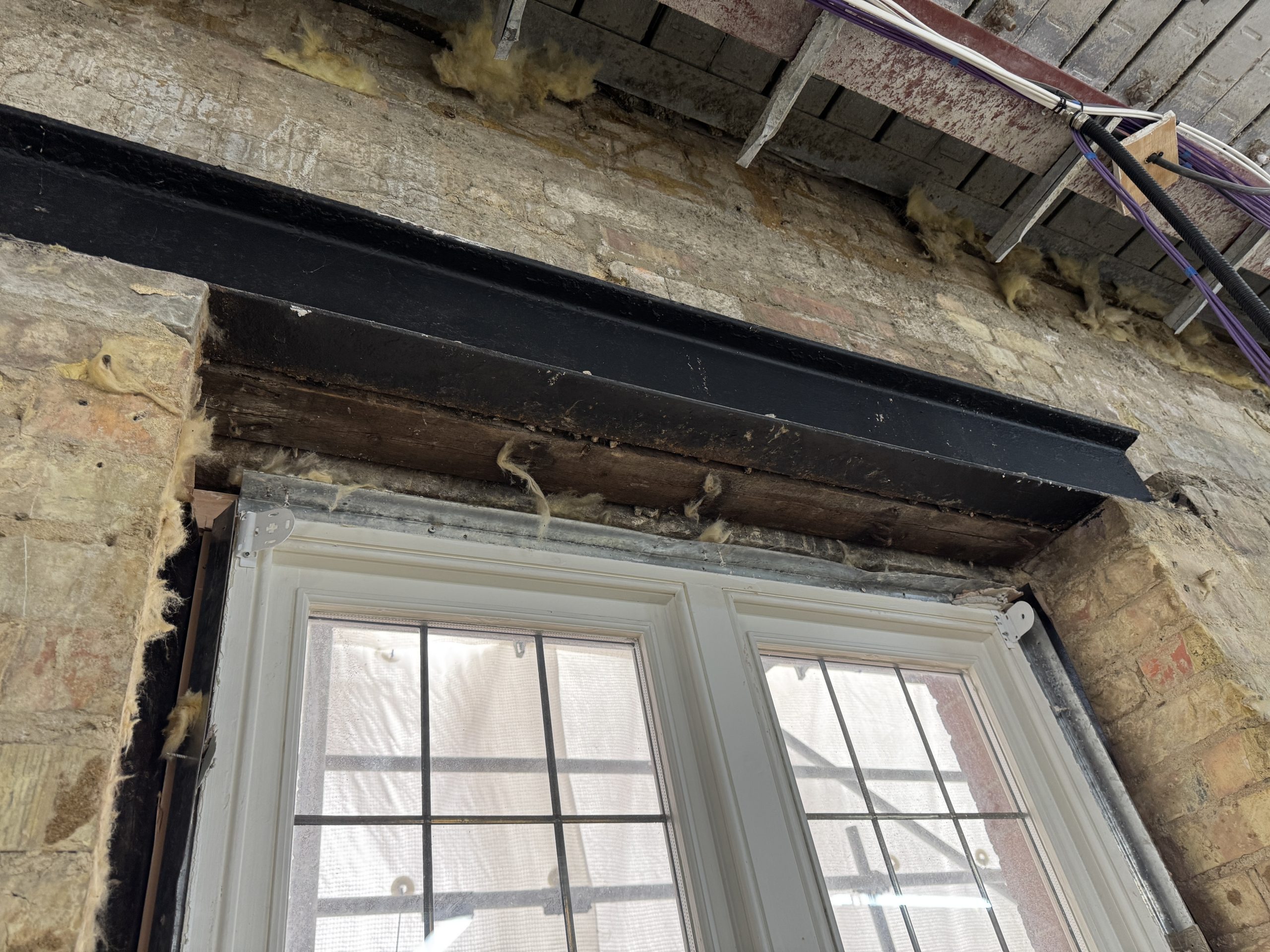
The investigation identified a mixture of lintel constructions throughout the heritage elevations, including timber, metal (likely steel or iron), concrete, and brick relieving arches. Timber lintels were generally positioned directly above window openings, with bearing ends embedded into the brick reveals, often without padstones, damp-proof courses, or ventilation gaps.

Assessments found that the majority of lintels were in good condition relative to the age of the building, reflecting the quality of timber selection and original construction. Moisture readings taken from accessible timber lintels were generally below thresholds associated with the onset of biological decay. However, a number of timber lintels displayed defects, including inadequate bearing, mechanical damage, and historic fire-related charring.

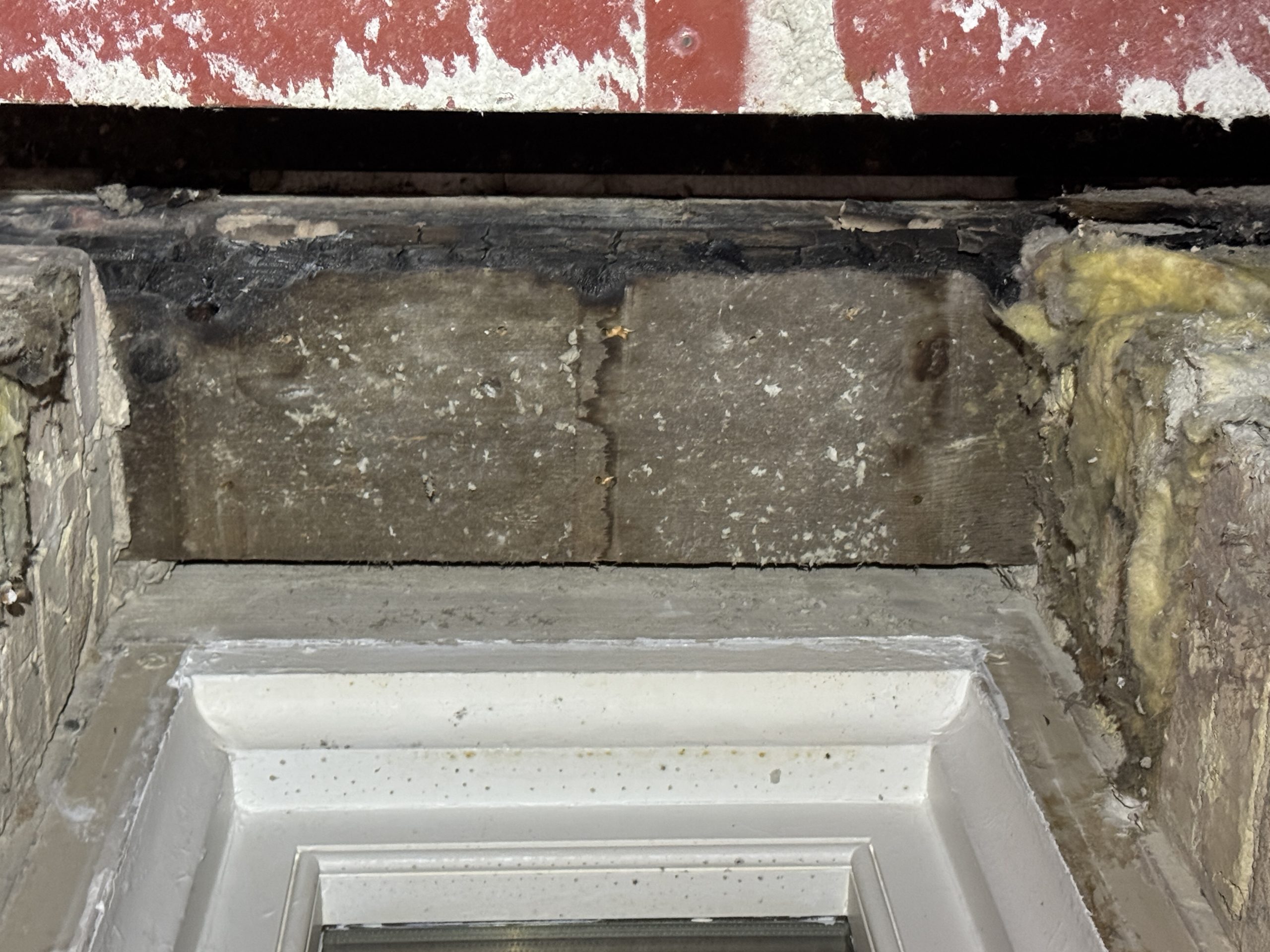
Several lintels at ground floor level exhibited significant charring, resulting in localised material loss. While charring can form an insulative layer that protects underlying timber, one lintel had been subjected to prolonged fire exposure and was deemed unsuitable for retention. Other defects were associated with damp masonry, cementitious materials, and encapsulation within unventilated dry-lining systems, all of which increased long-term vulnerability.

1 Golden Lane, London

The survey concluded that while most lintels could be retained, a small number required replacement or structural intervention due to decay, inadequate bearing, or fire damage. No chemical treatments were recommended. Instead, remedial works focused on physical repair, replacement where necessary, and improvements to detailing to isolate timber from damp masonry.

Priority recommendations included improving moisture management at the heritage façades, avoiding encapsulation of timber within impermeable materials, and ensuring that any replacement lintels were appropriately detailed with isolation membranes and breathable mortars. The findings now provide a clear evidence base to support conservation-led refurbishment works while safeguarding the historic fabric of this significant listed building.

Context and materials – Timber lintels, moisture, and fire performance

Timber lintels embedded within external masonry are inherently vulnerable to moisture saturation, particularly where modern cementitious mortars and renders restrict evaporation. Where moisture contents rise above critical thresholds, timber becomes susceptible to fungal decay organisms, including dry rot, which can persist within masonry and aggressively attack adjacent timber elements.

Fire-damaged lintels demonstrated the characteristic behaviour of timber under elevated temperatures. While timber is combustible, charring can provide a degree of protection to the core section by forming an insulating layer. In several instances at 1 Golden Lane, sufficient sound timber remained beneath the charred surface to allow retention, subject to structural engineer approval. However, one lintel exhibited excessive section loss and was recommended for replacement.

Other projects

Get in touch with us today