We are available throughout the Christmas period. Don't hesitate to enquire today.

Under the lamp

Case study

In November 2025 Six Heritage undertook masonry sample collection and laboratory testing at the Orange Tree Theatre to assess residual moisture levels within loadbearing masonry and to inform planned remedial works.

Author

Patrick Hughes

Service

Masonry sampling and gravimetric analysis, including site investigation, laboratory testing, moisture profiling, and interpretation to inform conservation-led remedial design

Completion

November 2025

Client

Orange Tree Theatre

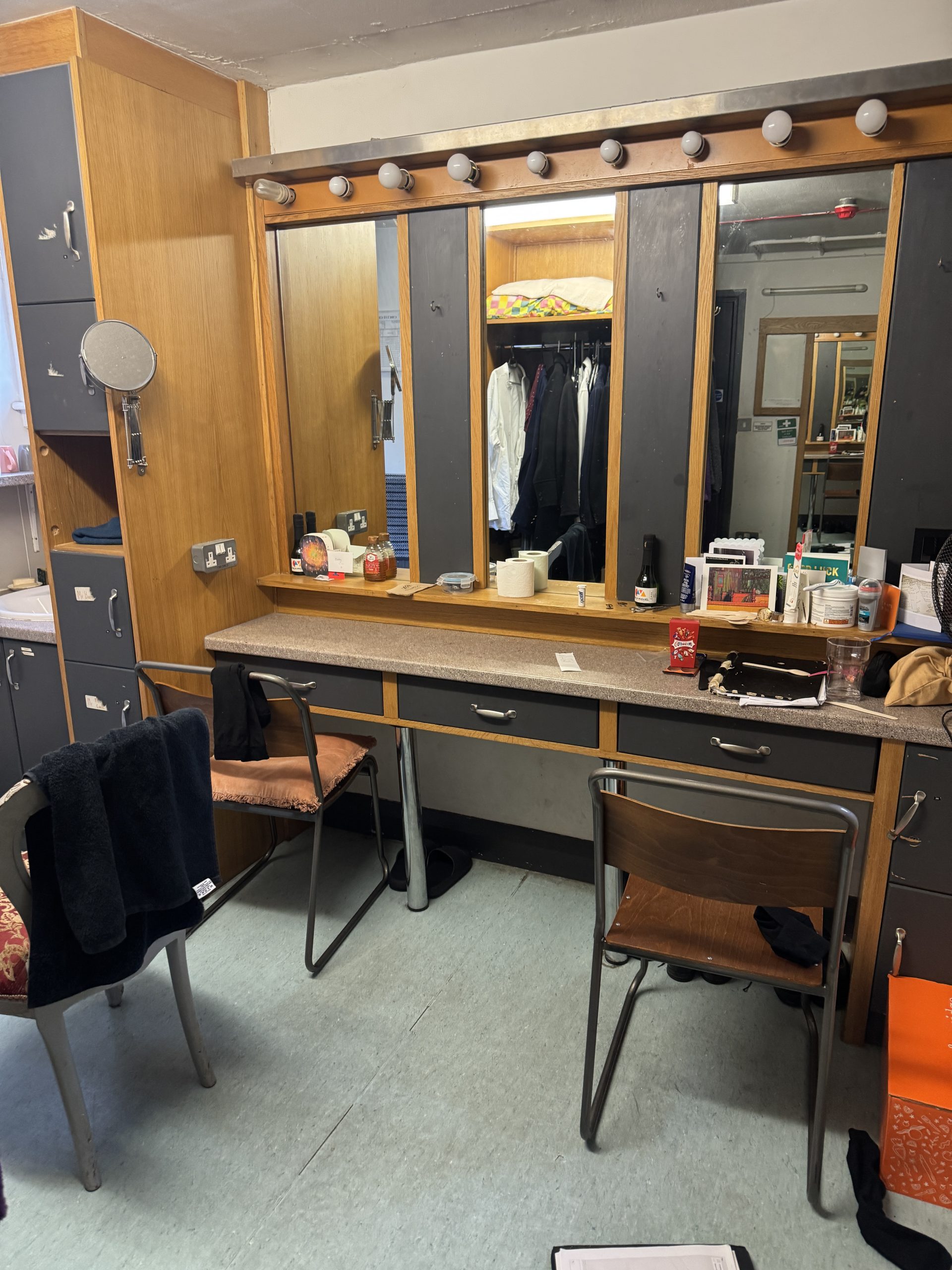
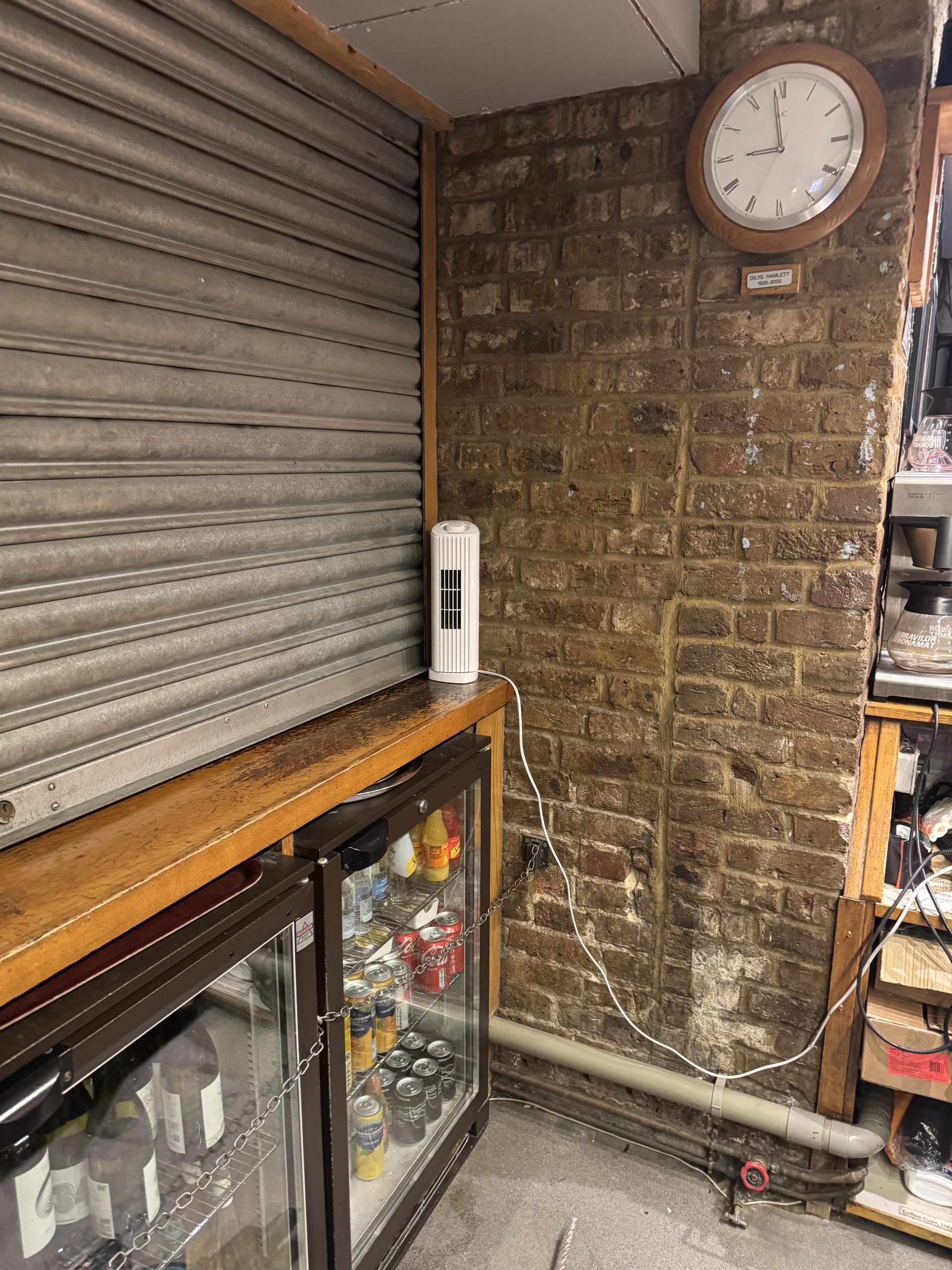
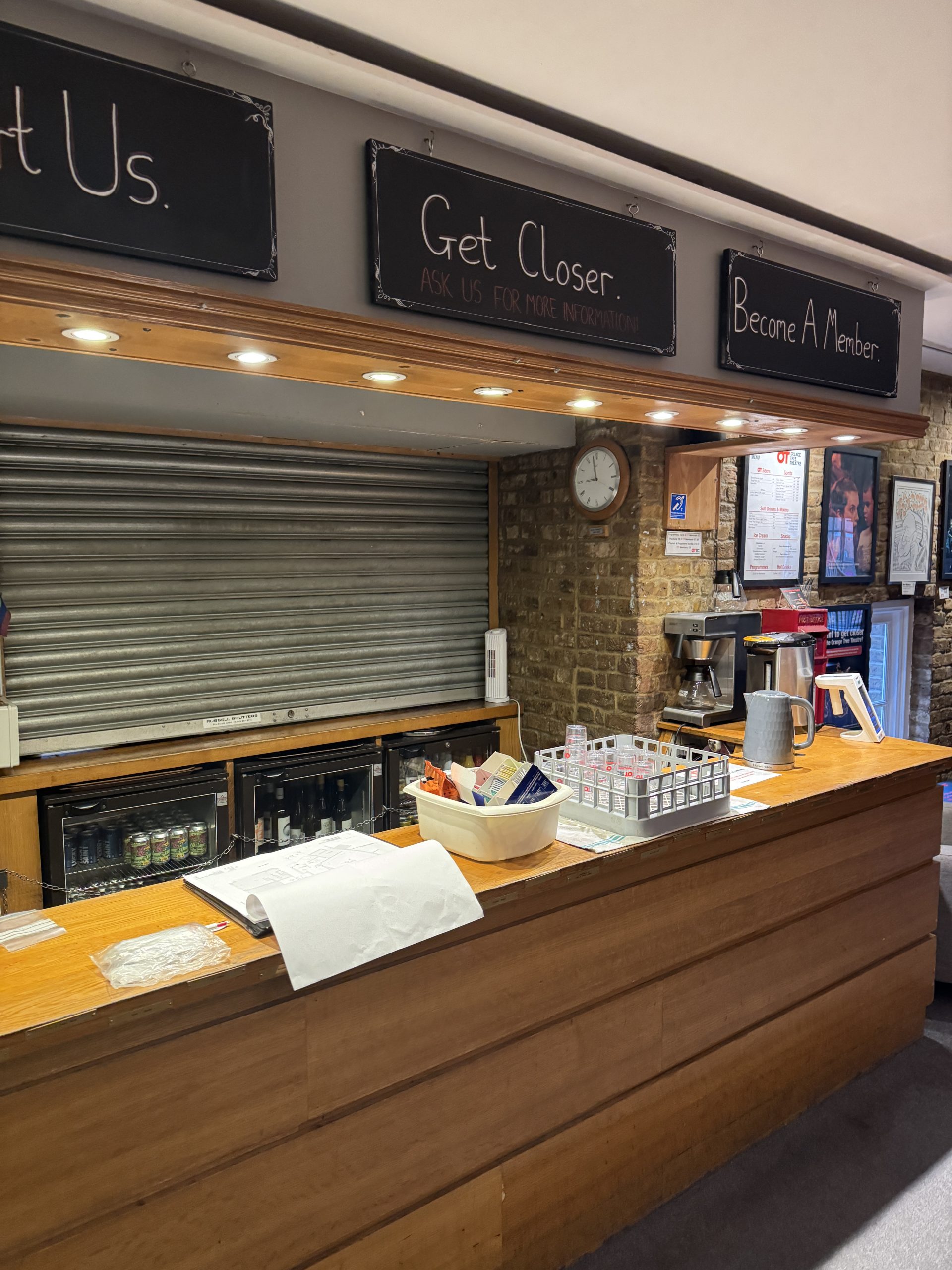
Orange Tree Theatre, Richmond, London

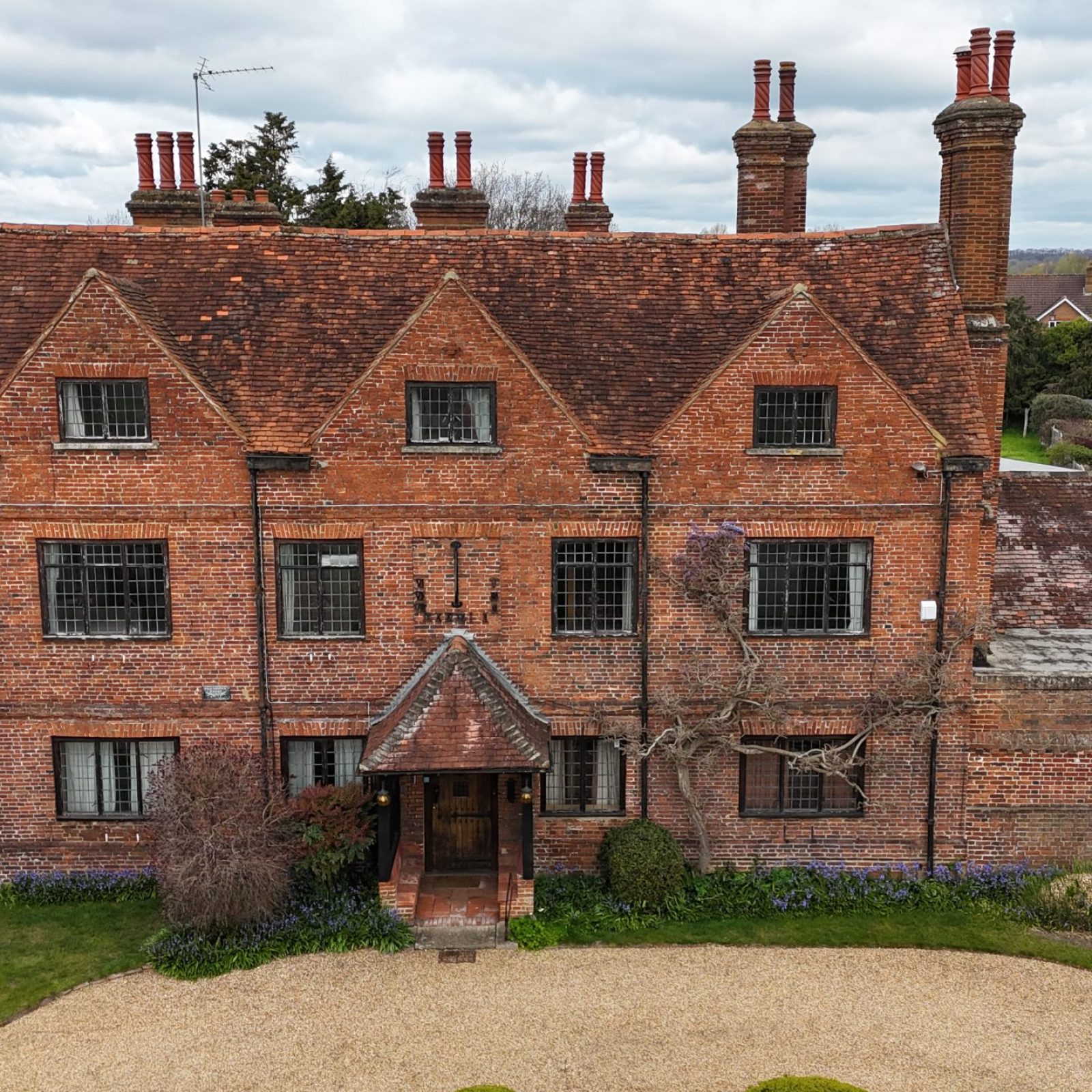
The Orange Tree Theatre is a prominent cultural building located on Clarence Street, Richmond. Six Heritage was instructed to undertake targeted masonry sampling to establish a moisture profile of specific areas of the structure where remedial works were being considered.

The investigation focused on loadbearing masonry to the east wall of the building and formed part of a wider strategy to understand moisture behaviour within the structure before committing to intervention. Rather than relying solely on surface indicators, the approach sought to quantify actual moisture content within the masonry fabric through laboratory testing.

Samples were collected from basement, first floor and second floor levels, allowing both vertical and depth-based comparisons to be made across the structure.
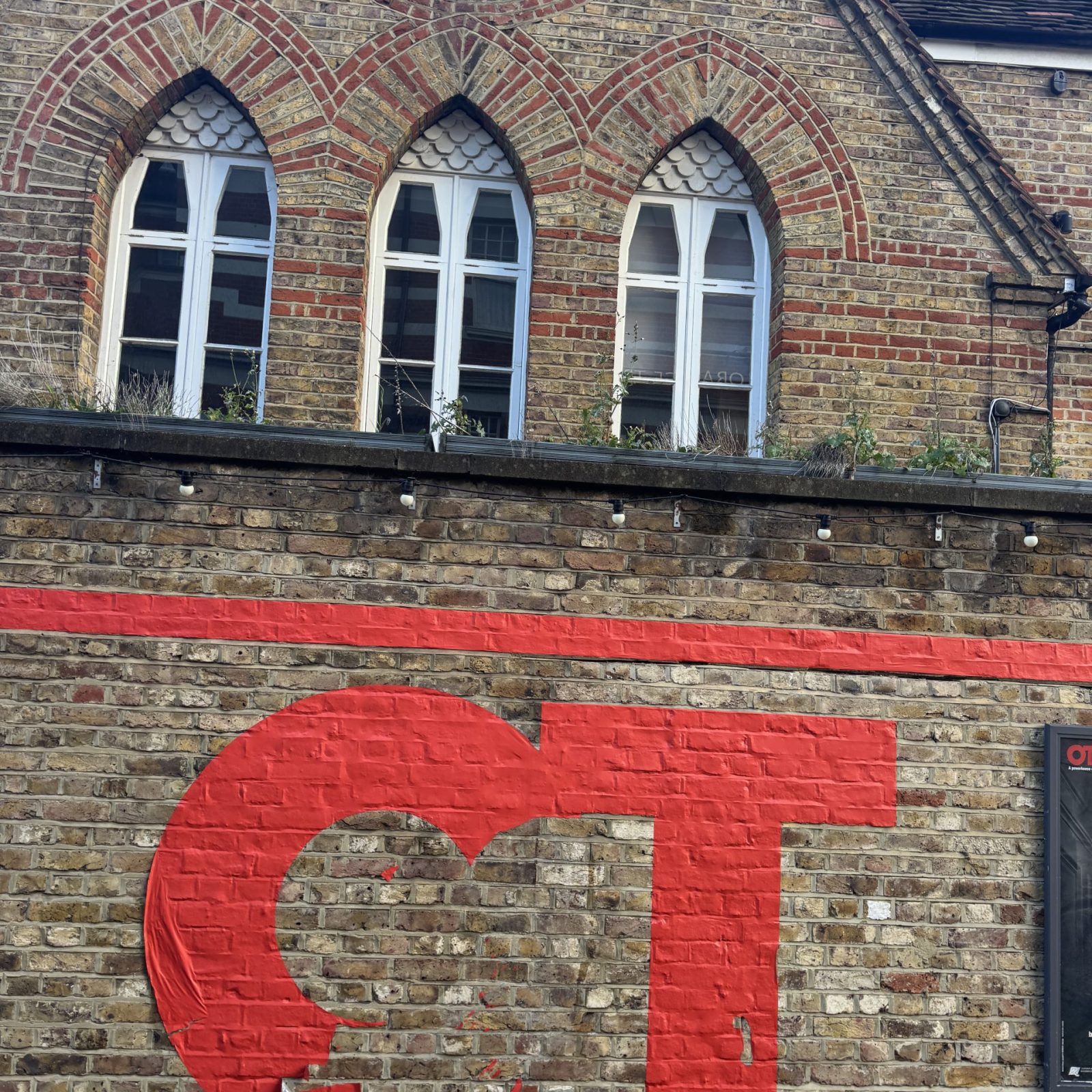
A total of ten masonry samples were taken from representative locations and returned to the Six Heritage laboratory for gravimetric analysis, in accordance with BRE Digest 245. Samples were analysed to determine both available (free) moisture content and hygroscopic salt content, enabling distinction between active dampness and historic moisture-related contamination.

Sampling included both shallow and deep samples to understand how moisture varied through the wall thickness. This methodology allowed Six Heritage to create an initial moisture profile of the masonry, recognising that solid walls naturally absorb and release moisture and that the presence of moisture alone does not necessarily indicate failure or risk to finishes.

The results showed that the majority of samples were dry or only marginally above thresholds typically associated with dampness. Elevated available moisture content was primarily confined to deeper sub-ground samples, where some increase was anticipated due to the position within the structure.

Orange Tree Theatre, Richmond, London

Overall, the findings indicated that the masonry within the surveyed areas of the Orange Tree Theatre was generally dry and performing as expected for a solid-walled historic structure. Even the highest recorded moisture content fell well within acceptable limits for the proposed remedial system under consideration.

By providing quantified data rather than relying on assumptions or visual inspection alone, the investigation allowed the design team to make informed decisions and avoid unnecessary or overly intrusive intervention. The survey forms a robust evidence base to support conservation-led repair strategies that respect the historic fabric while ensuring long-term performance.

Context and materials – Masonry, moisture behaviour and salt migration

Analysis of hygroscopic salt content identified limited areas where soluble salts were present within the masonry. These salts were associated with historic or intermittent moisture exposure and had the potential to attract airborne moisture at the wall surface, contributing to cyclical salt efflorescence and deterioration of finishes even where walls are technically dry.

Importantly, the pattern of results suggested that moisture issues were not widespread or actively progressing. Instead, they reflected residual conditions typical of historic masonry that has previously been exposed to damp but is now largely stable.

Other projects

Get in touch with us today