We are available throughout the Christmas period. Don't hesitate to enquire today.

Under the lamp

Case study

In January 2026, Six Heritage carried out a detailed condition survey of the structural timbers forming the roof and floors at 14 Palace Garden Mews. The investigation identified the extent of timber decay, examined the building defects contributing to moisture ingress and provided conservation-led recommendations for repair and retention.

Author

Patrick Hughes

Service

Timber condition survey of structural roof and floor elements, with associated observations of external roof finishes, rainwater goods, chimneys and façades.

Completion

January 2026

Client

Deacon & Jones, on behalf of a private client

Palace Garden Mews, Kensington, London

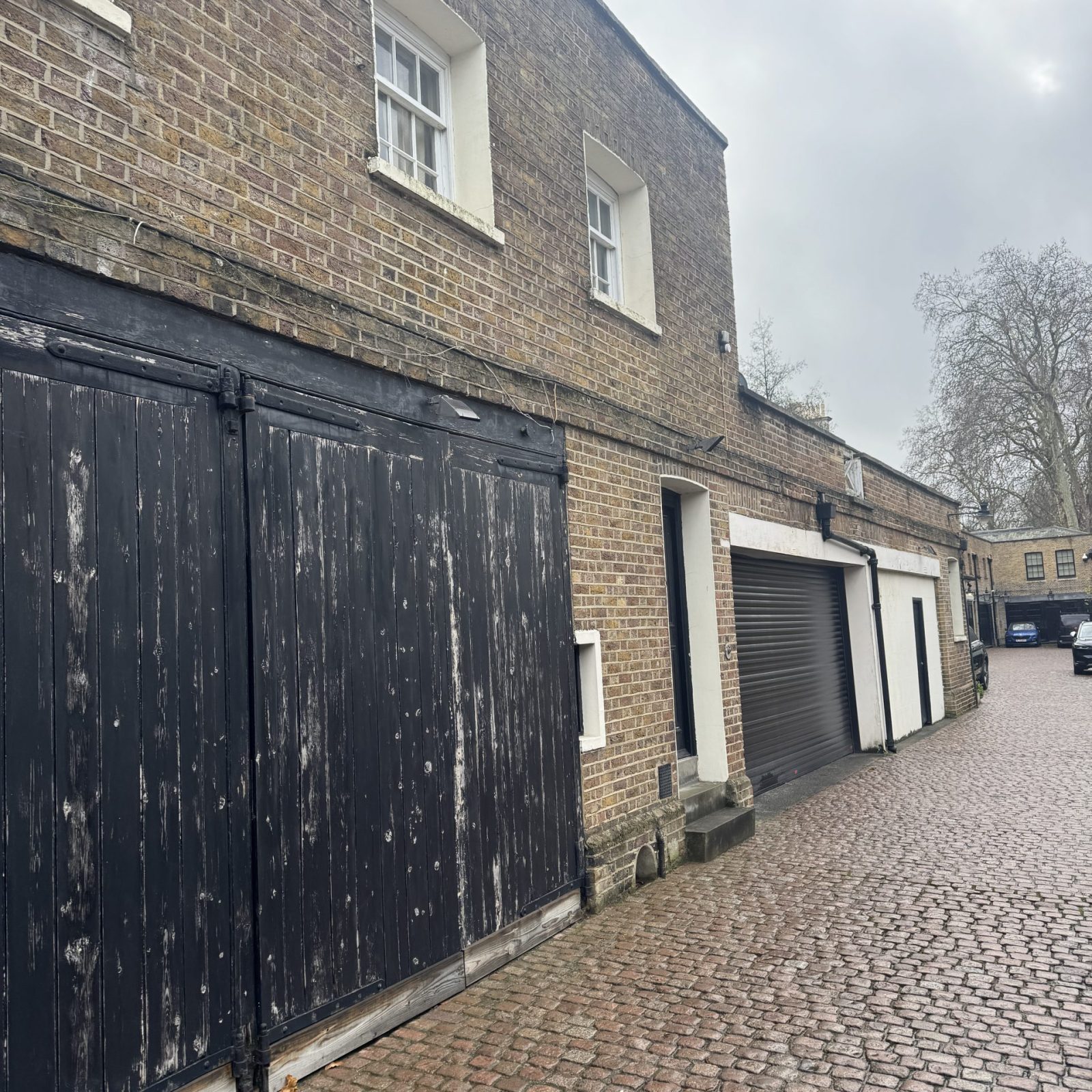
The property is a distinctive mews building located within the Kensington Palace Conservation Area. It had been unoccupied for a notable period before the survey, resulting in reduced heating, ventilation, inspection and routine maintenance.

The timber roof and floor structures retained considerable historic and material value, although they had been altered and repaired during several previous phases of refurbishment. Six Heritage were instructed to establish the severity and extent of structural timber decay and to provide proportionate remedial advice sensitive to the historic character of the building.

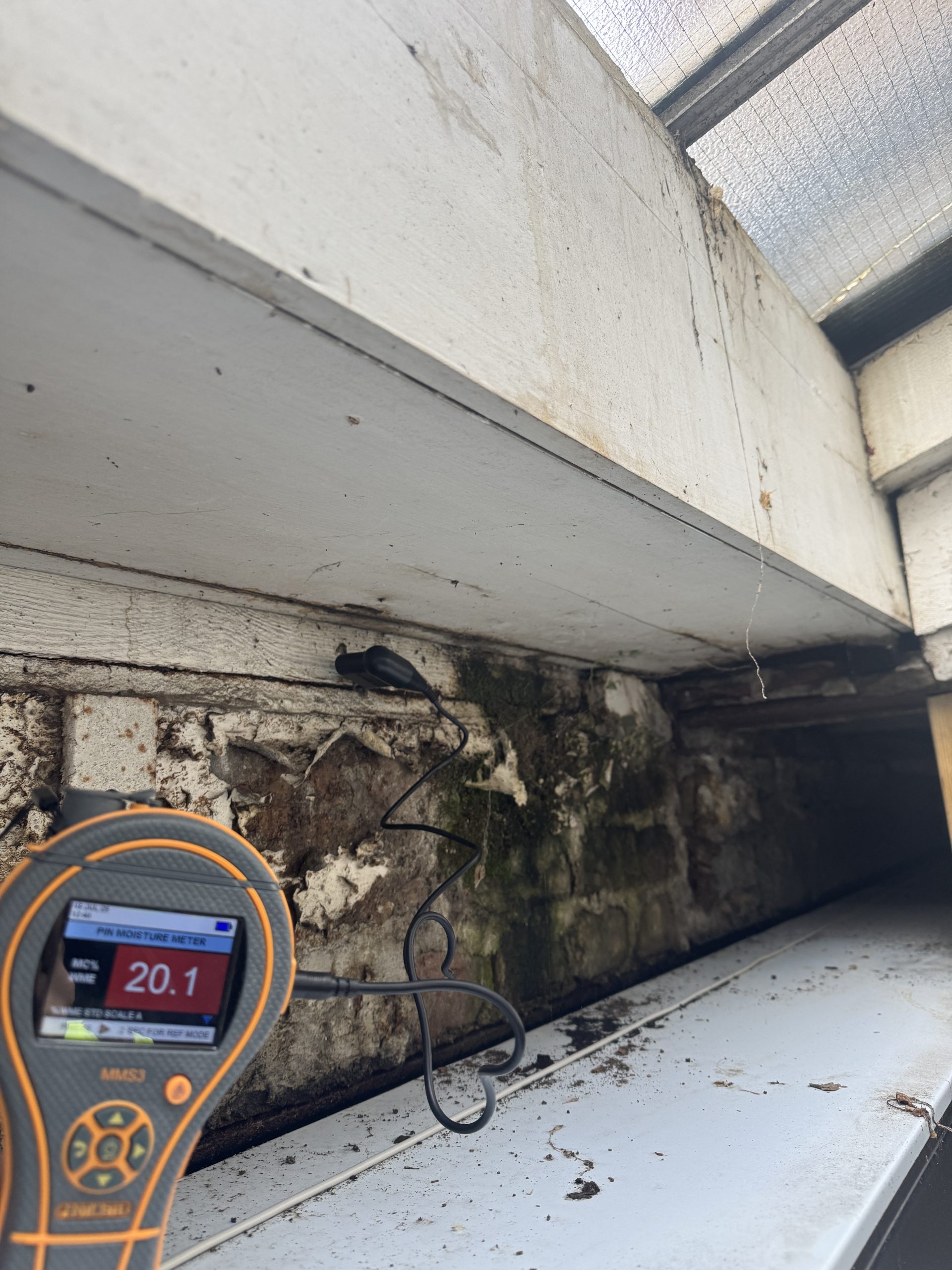
Accessible timbers were examined using visual and tactile assessment, targeted drilling and probing, and representative moisture readings. Videoscopes and thermal imaging equipment were also used where access was restricted. Non-invasive techniques were prioritised wherever possible to avoid unnecessary disturbance of the historic fabric.
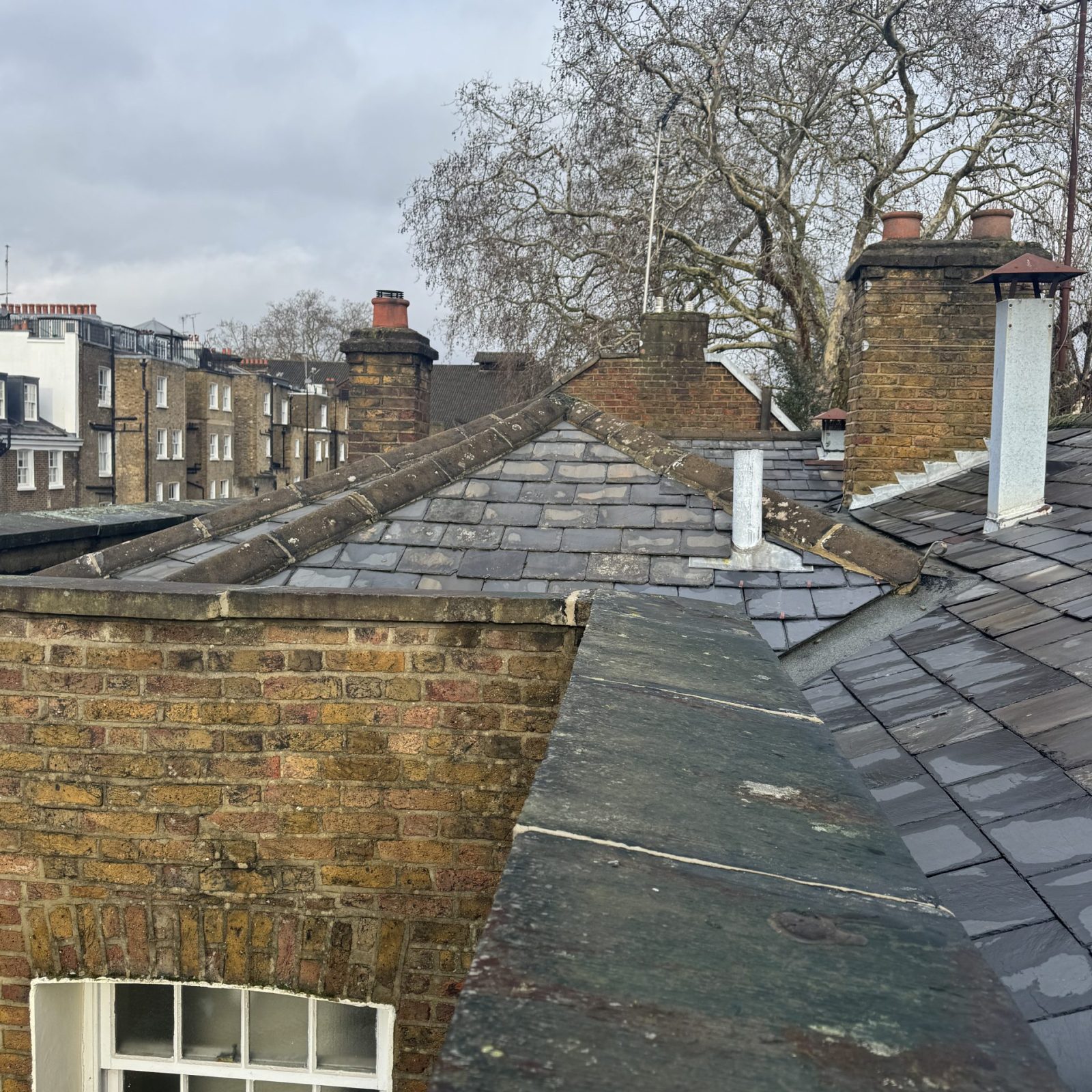
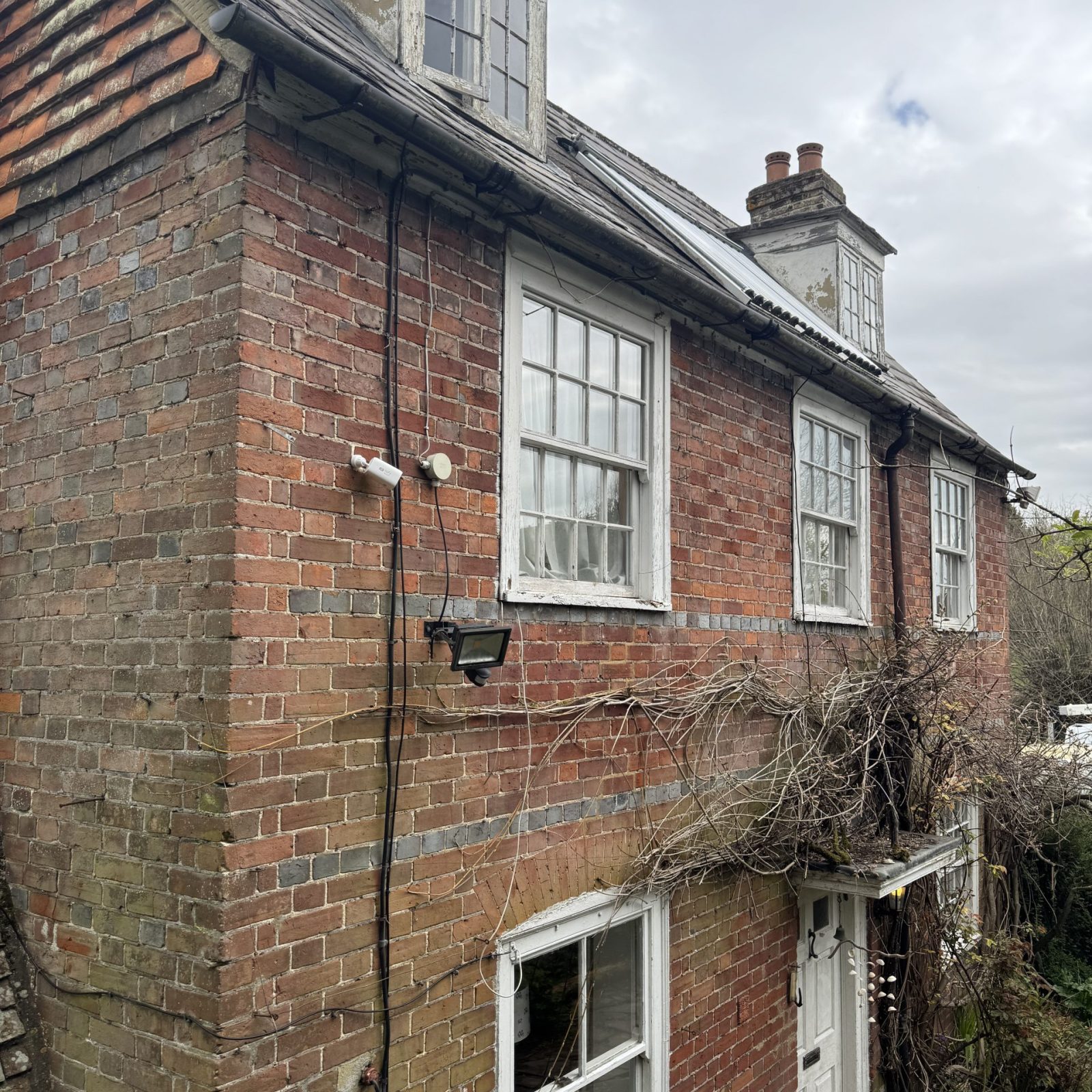
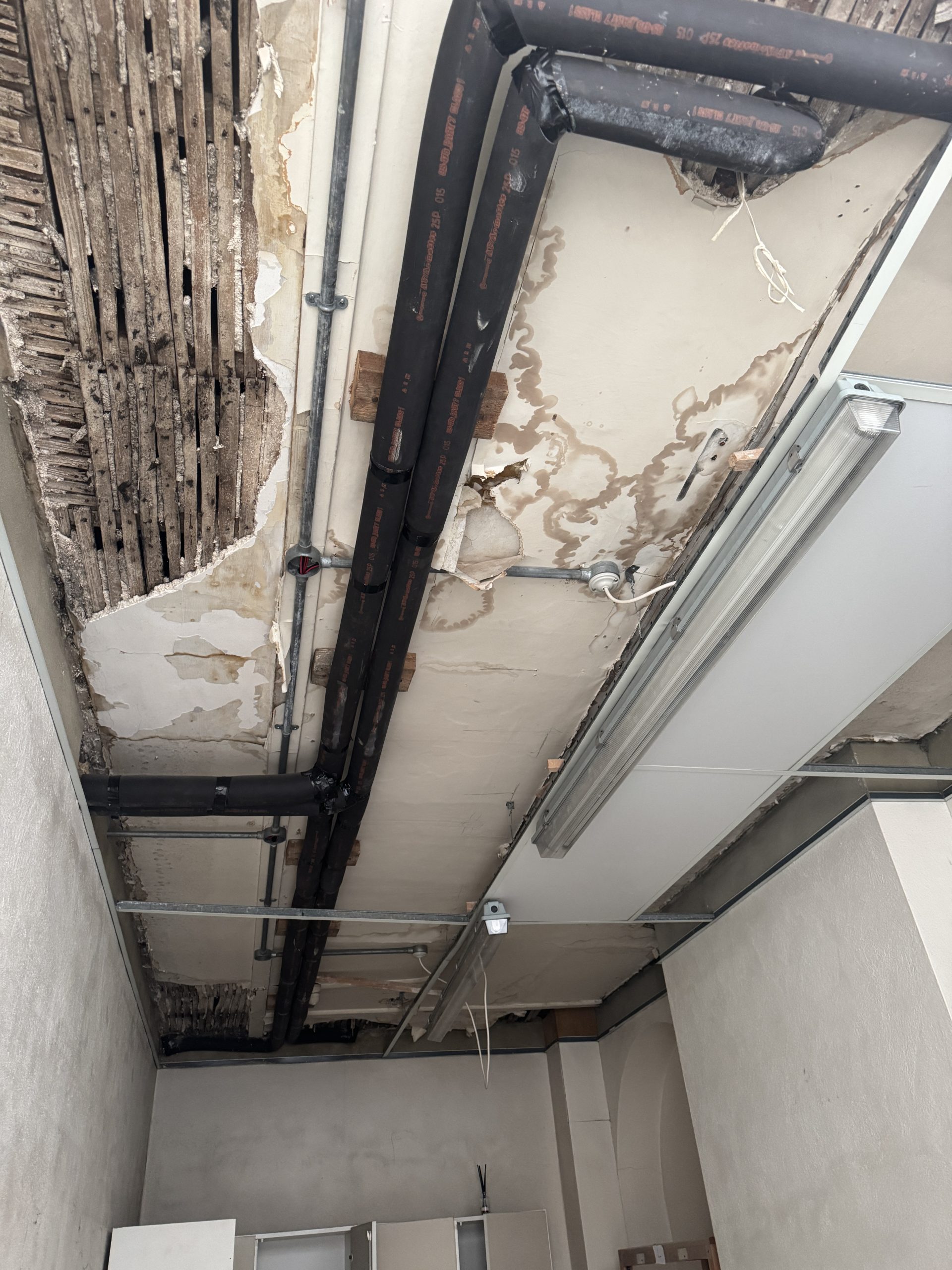
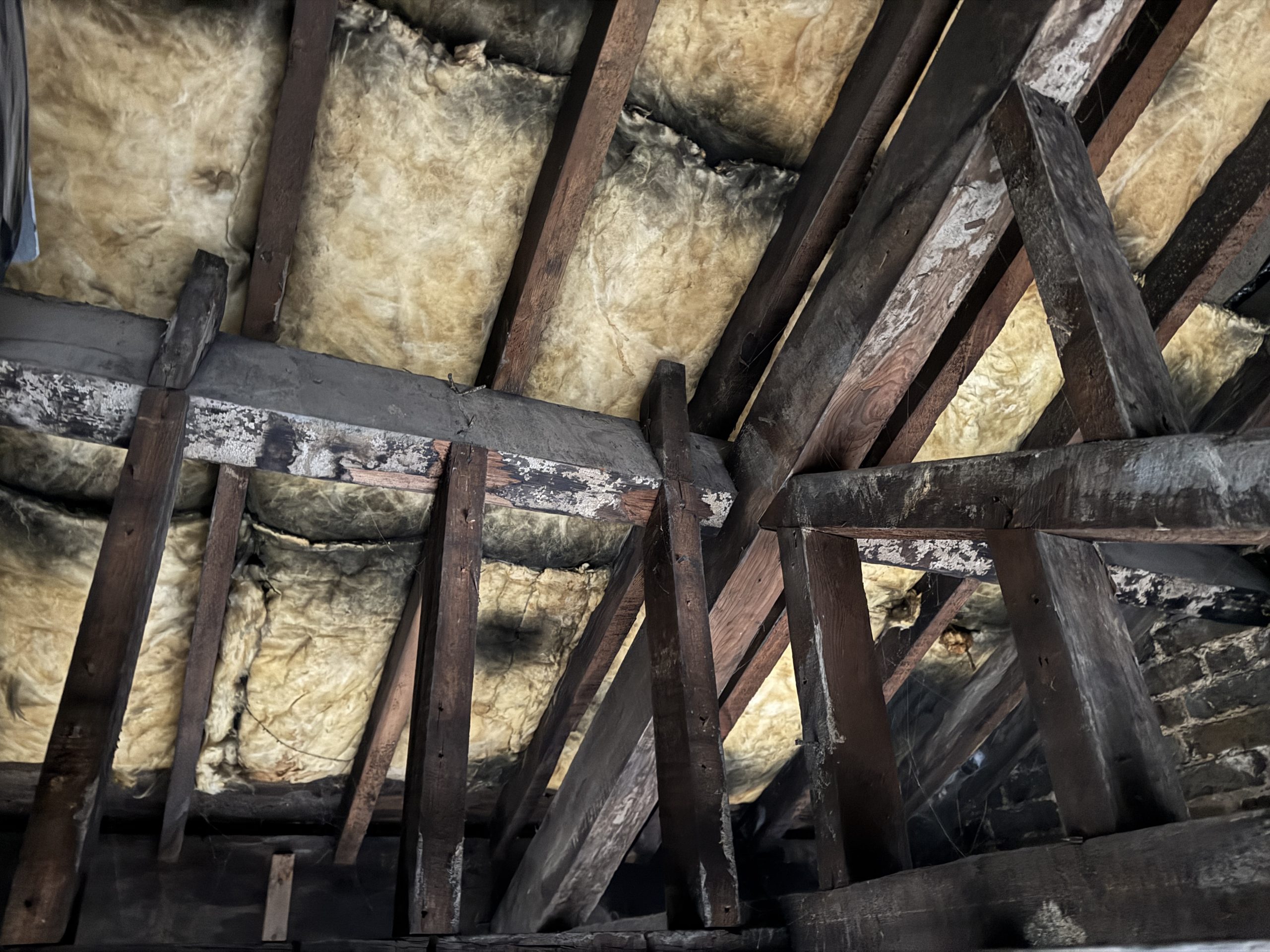
The investigation found that the roof structure had experienced chronic damp conditions over several years. The principal sources of moisture were defects at roof level, particularly around eaves and parapet gutters, and defects to skylights within the roof were allowing water to enter the building. Flat-roof finishes and parapet-gutter linings had also undergone previous patch repairs and remained vulnerable to further failure. Defects to certain rainwater drainage elements was creating additional damp conditions within the structure below.

Chronic moisture penetration had resulted in structurally significant decay to several historic roof timbers, including tie-beams, rafter plates and parapet-gutter joists within the principal roof structure.

To the west, further decay was identified to structural roof timbers and parapet gutter elements. Other concealed timbers were considered to be at increased risk because of the visible dampness and the condition of the roof finishes above.

Palace Garden Mews, Kensington, London

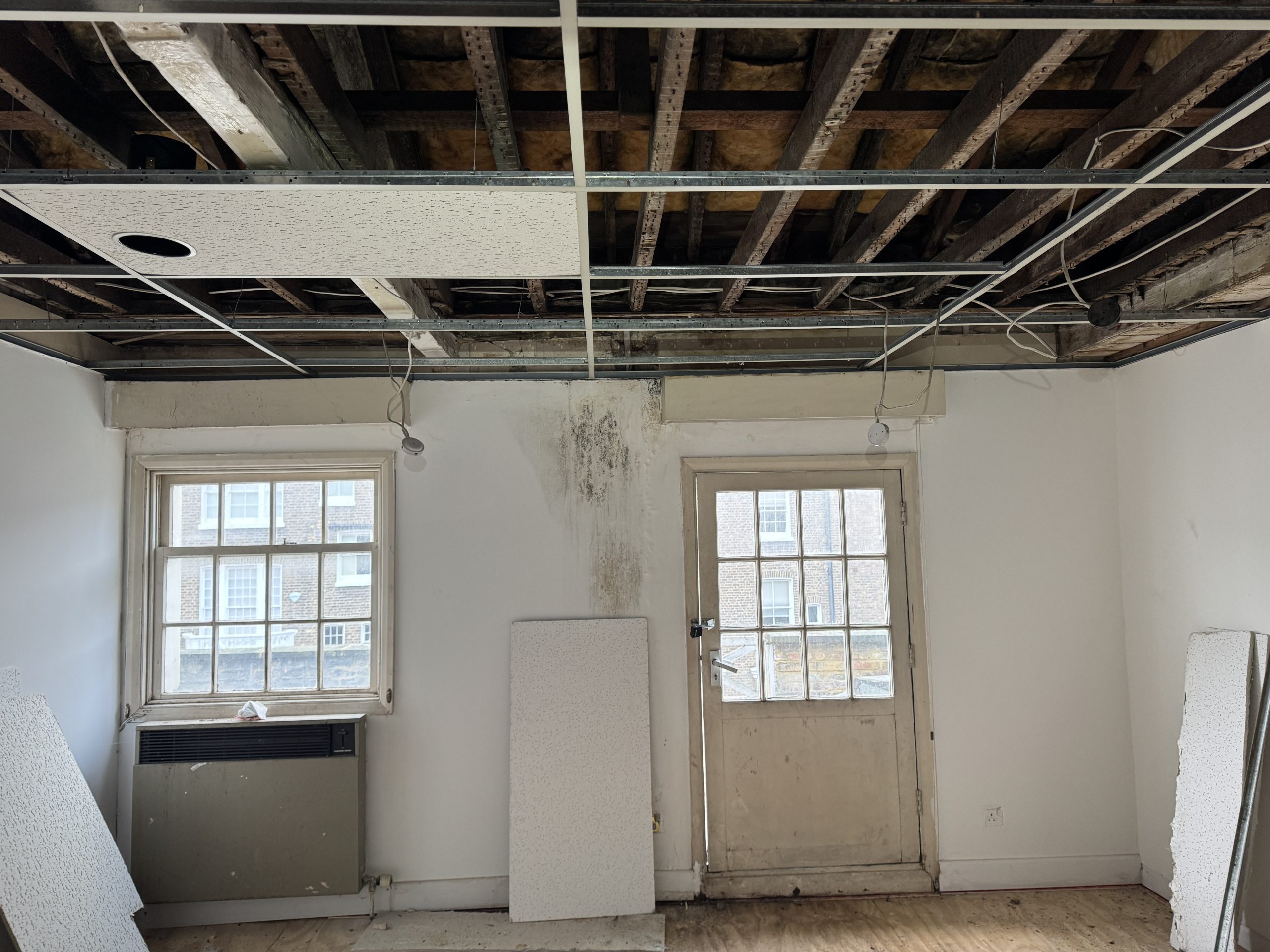
The survey identified further decay to floor joists and structural timber beams to varying degrees. Junctions between roofs were areas of vulnerability, displaying active moisture penetration into the building, resulting in damage to subsequent elements and materials

Despite these defects, much of the existing historic timber remained suitable for retention, subject to targeted repair. Six Heritage made recommendations relating to the weatherproofing of the property and correct repair strategies regarding the structural timber, as well as other damaged materials

A conservation-led approach seeks to address the environmental conditions that allow timber decay to develop rather than relying on wholesale replacement or blanket chemical treatment.

By stopping water ingress, improving through- and cross-ventilation, separating vulnerable timbers from damp masonry and retaining sound original material, repairs can be directed towards the areas where structural performance has genuinely been reduced.

The survey provided the client and design team with a clear evidence base for planning the refurbishment. It established which historic timbers could be retained, identified where structural repairs were necessary and set out how future work could reduce the risk of recurring moisture-related deterioration.

Context and materials – Moisture risk, timber decay and conservation-led repair

Timber decay is not simply a consequence of age. It develops where moisture, temperature, ventilation and construction details combine to create conditions in which fungal organisms or wood-boring insects can survive.

At Palace Garden Mews, repeated water penetration at the roof perimeter and intermittent saturation of embedded timbers had created favourable conditions for decay. Localised active or ongoing fungal organisms were identified in areas affected by current moisture penetration.

Evidence of Common Furniture Beetle was also recorded, principally within the roof structure. The damage was generally confined to the sapwood bands and shallow surfaces of the affected timbers and was considered predominantly historic. Nevertheless, the timbers remained vulnerable to future activity where intermittent water penetration and inadequate ventilation persisted.

Other projects

Get in touch with us today