We are available throughout the Christmas period. Don't hesitate to enquire today.

Under the lamp

Case study

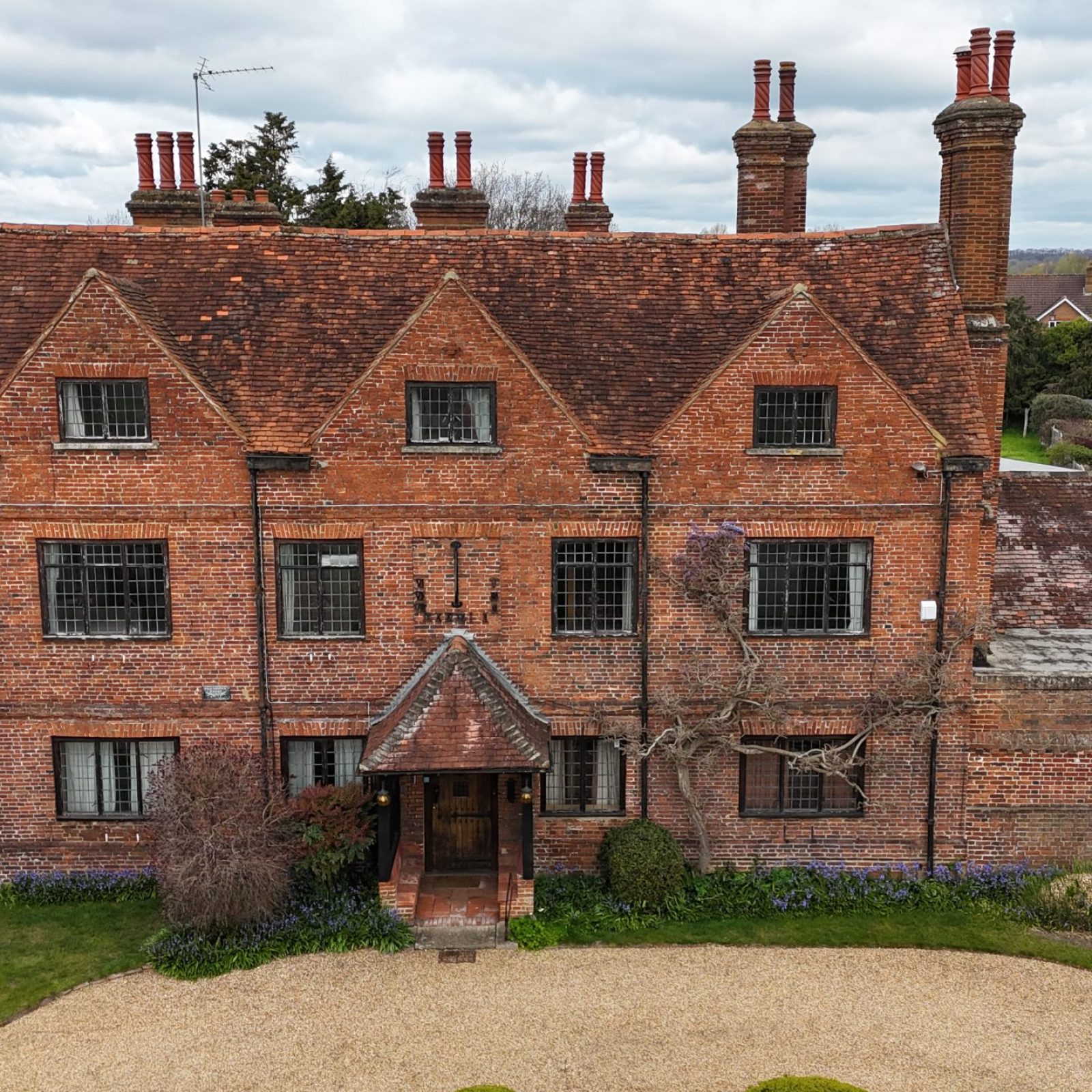
In October 2024, Six Heritage undertook a detailed preliminary timber and damp investigation at The Old Rectory, a Grade II listed Tudor residence located in the heart of the Cheam Village Conservation Area.

Author

Patrick Hughes

Service

Preliminary timber and damp survey across roof structures, suspended timber floors, external drainage, and cellar conditions

Completion

October 2024

Client

Private owner

A three-story red brick house with a gabled porch, tall windows, and ivy climbing the walls. A white car is parked in front, surrounded by bushes and trees. Three trash bins are near the driveway.

Believed to have been constructed c.1575 and subject to a series of 18th–21st century refurbishments, The Old Rectory is a significant heritage asset both locally and nationally. Six Heritage was appointed to conduct a thorough survey to inform forthcoming refurbishment plans, ensure compliance with conservation legislation and policy, and assess risks from damp and timber decay.

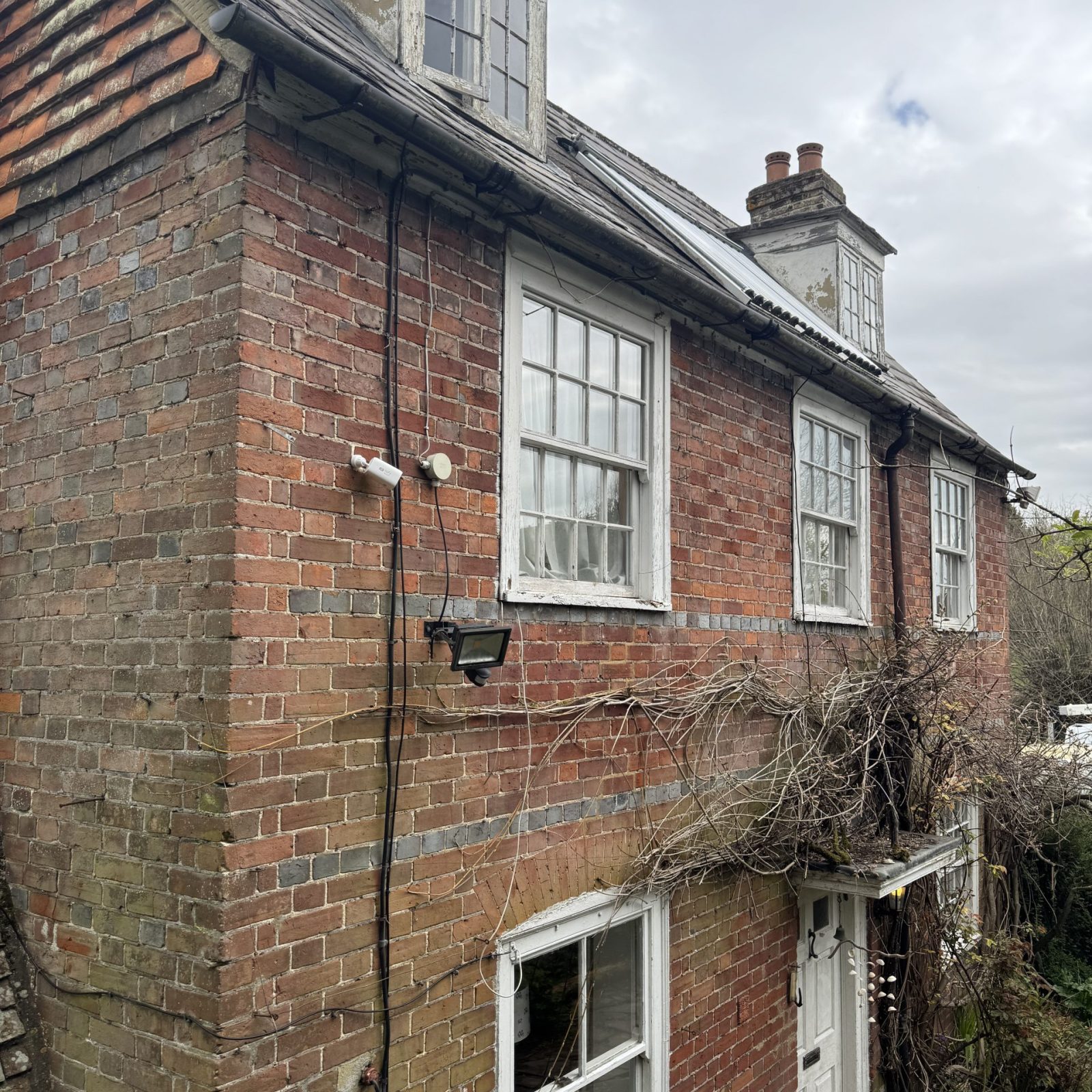
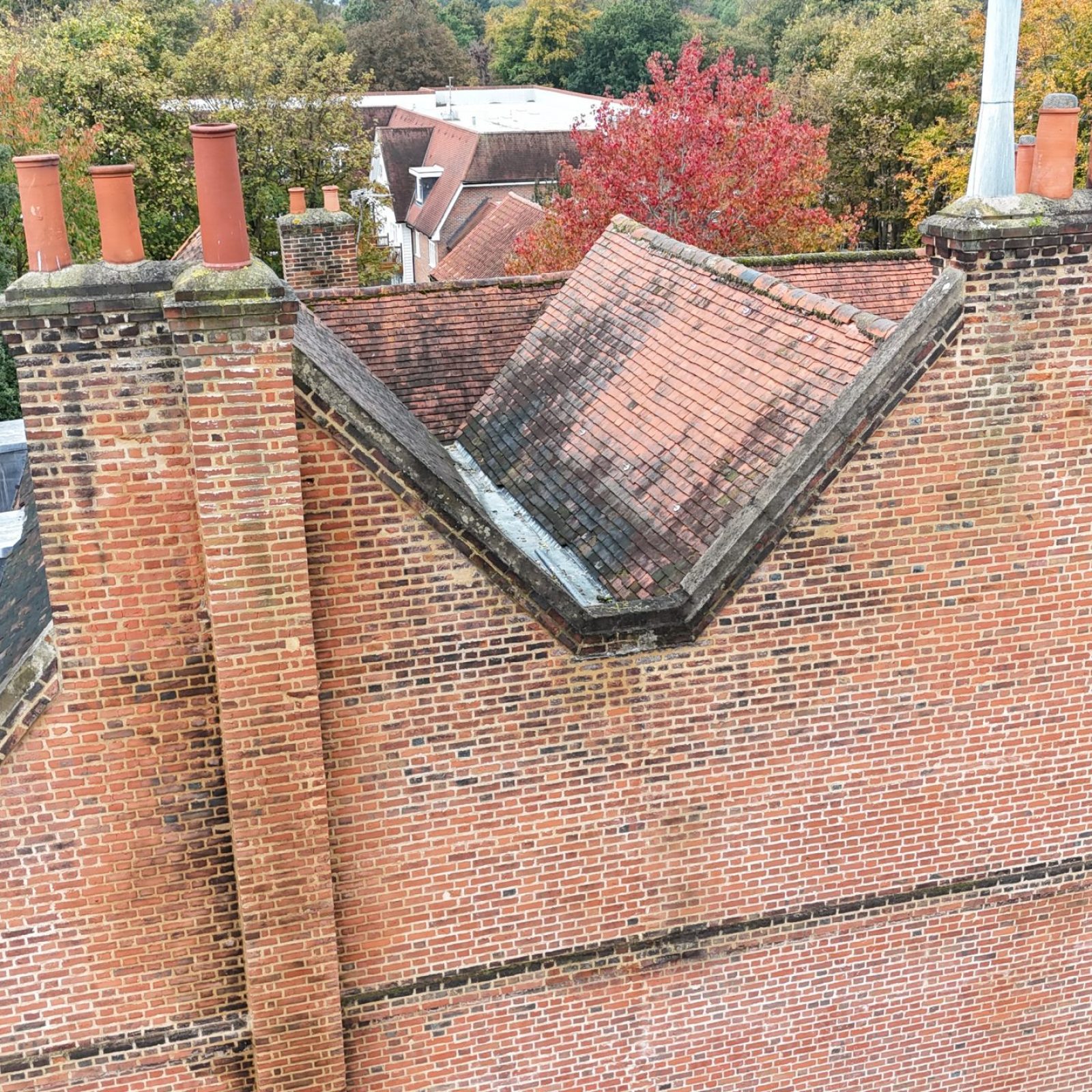
External investigations focused on the condition of historic clay tiled roofs, mineral felt flat roofs, and rainwater goods. Notable concerns included blocked hoppers and eaves-level gutters—particularly to the north elevation—resulting in penetrating dampness. High-level drone imagery revealed missing ridge tiles and debris-filled drainage points, with evidence of vegetation growth indicating chronic water management issues.
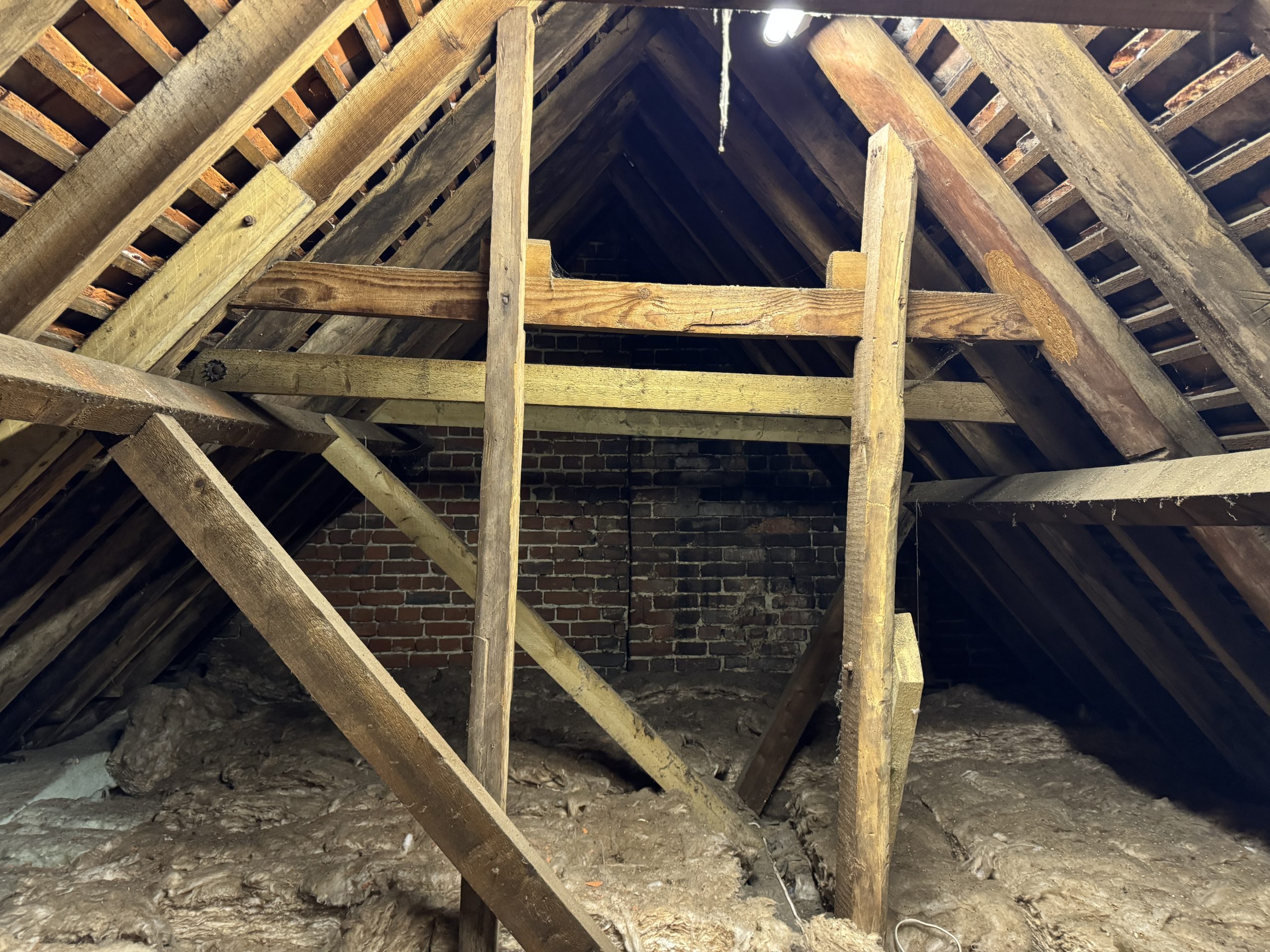
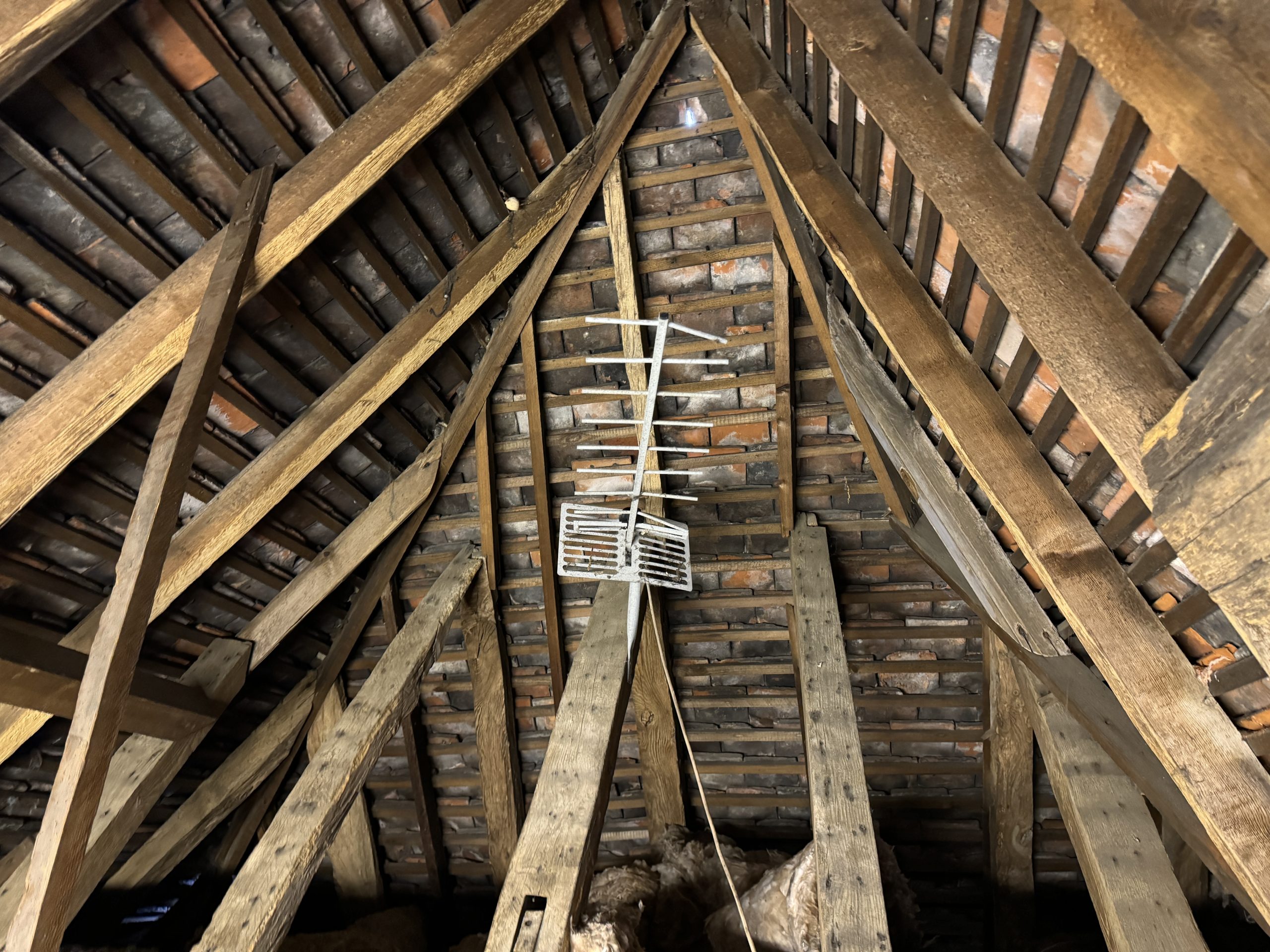
Internally, roof structures demonstrated a remarkable continuity of historic craftsmanship, with exposed timber elements ranging from Tudor oak rafters to contemporary softwood repairs. Original pegged joints and ashlar studs were largely intact, though some rafters showed early-stage decay at eaves due to water ingress from defective roof coverings.

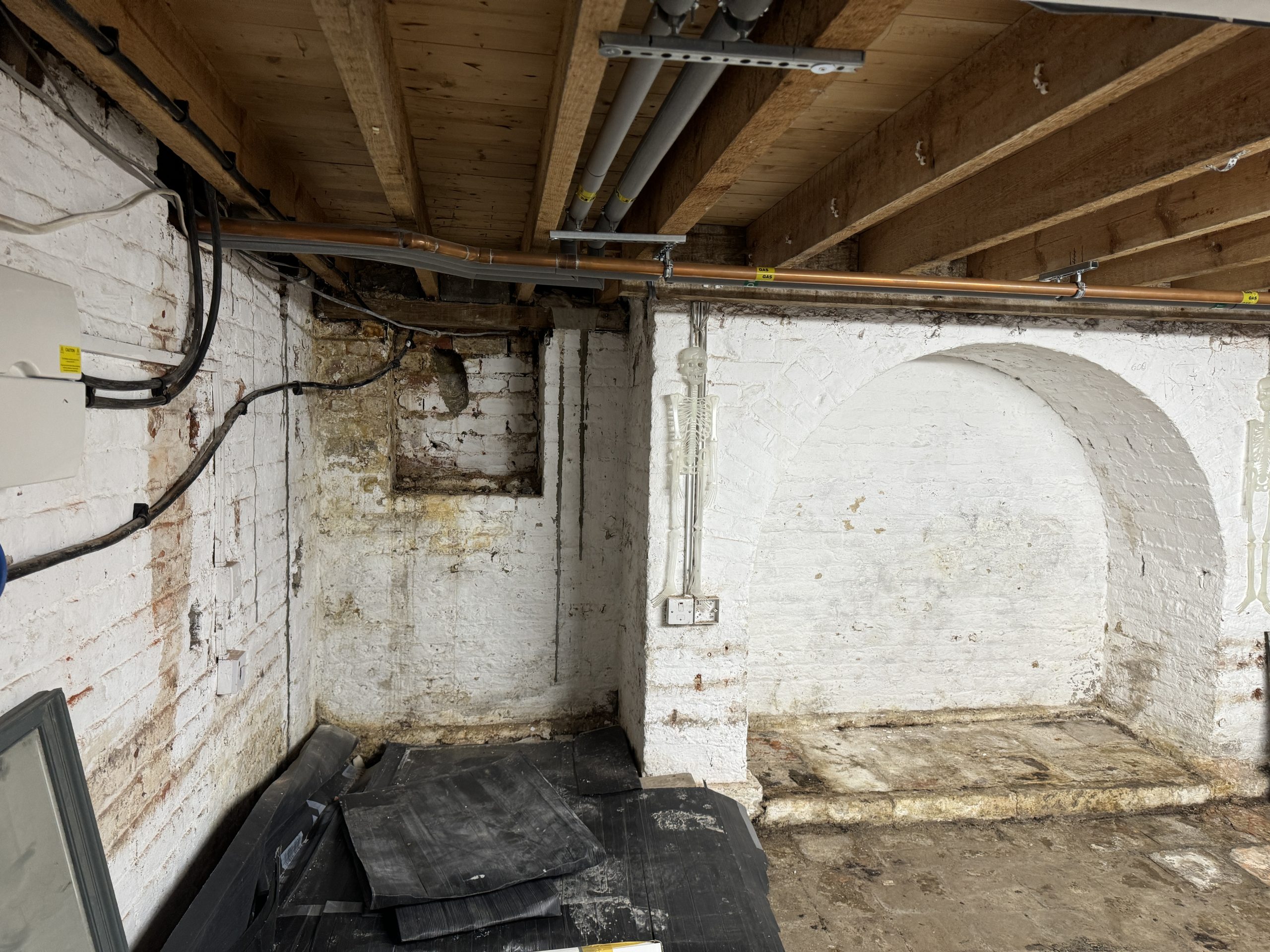
Suspended timber floors—some visible from the cellar below—were comprised of both historic hardwood beams and contemporary softwood joists. Decay was noted to several lintels and floor beam ends embedded in damp-affected masonry. Most decay appeared historical in nature, though surface moisture in the basement and areas of elevated humidity presented future risks if untreated.

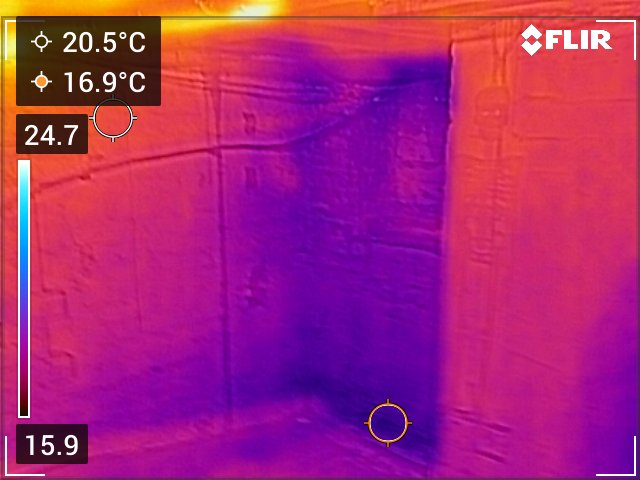
The basement area was of particular interest, exhibiting high moisture and salt content across perimeter walls. A partially filled sump of unknown function was present, and sub-ground drainage provisions were minimal. Paint finishes had deteriorated due to salt migration, and moisture profiles from gravimetric sampling confirmed consistent damp conditions. Recommendations included maintaining the basement as an unheated utility zone and avoiding impermeable finishes or chemical damp-proofing interventions.

Elsewhere, evidence of past damp was found behind defective rainwater goods, especially on the north and south façades. Superficial cracking and minor plaster degradation indicated historic rather than active issues.

Aerial view of a brick building’s roof with multiple chimneys and ivy on the walls, surrounded by trees with green, yellow, and red autumn foliage.

Context and materials – Conservation best practice and breathability

As a Grade II listed structure within a conservation area, any interventions needed to balance risk reduction with sensitivity towards the legal protections surrounding the property. Six Heritage’s approach prioritised minimal intervention, recommending breathable lime-based plasters, careful timber repair using like-for-like materials, and improved ventilation strategies over invasive damp-proofing. Modern building services, heating, and ventilation systems were also reviewed. Improvements were suggested to ensure balanced internal environmental conditions to reduce condensation risk throughout the property, particularly in the basement and roof voids.

Other projects

Get in touch with us today