We are available throughout the Christmas period. Don't hesitate to enquire today.

Under the lamp

Case study

In July Six Heritage carried out a detailed timber condition survey to assess the condition and suitability of historic timber elements forming the roof structures, soffits, and associated components of the Crystal Palace National Sports Centre.

Author

Matthew Amis

Service

Timber condition survey of roof structures, teak soffits, perimeter cladding timbers, rainwater goods interfaces, and associated environmental conditions

Completion

October 2025

Client

Morgan Sindall Construction

Crystal Palace National Sports Centre, London

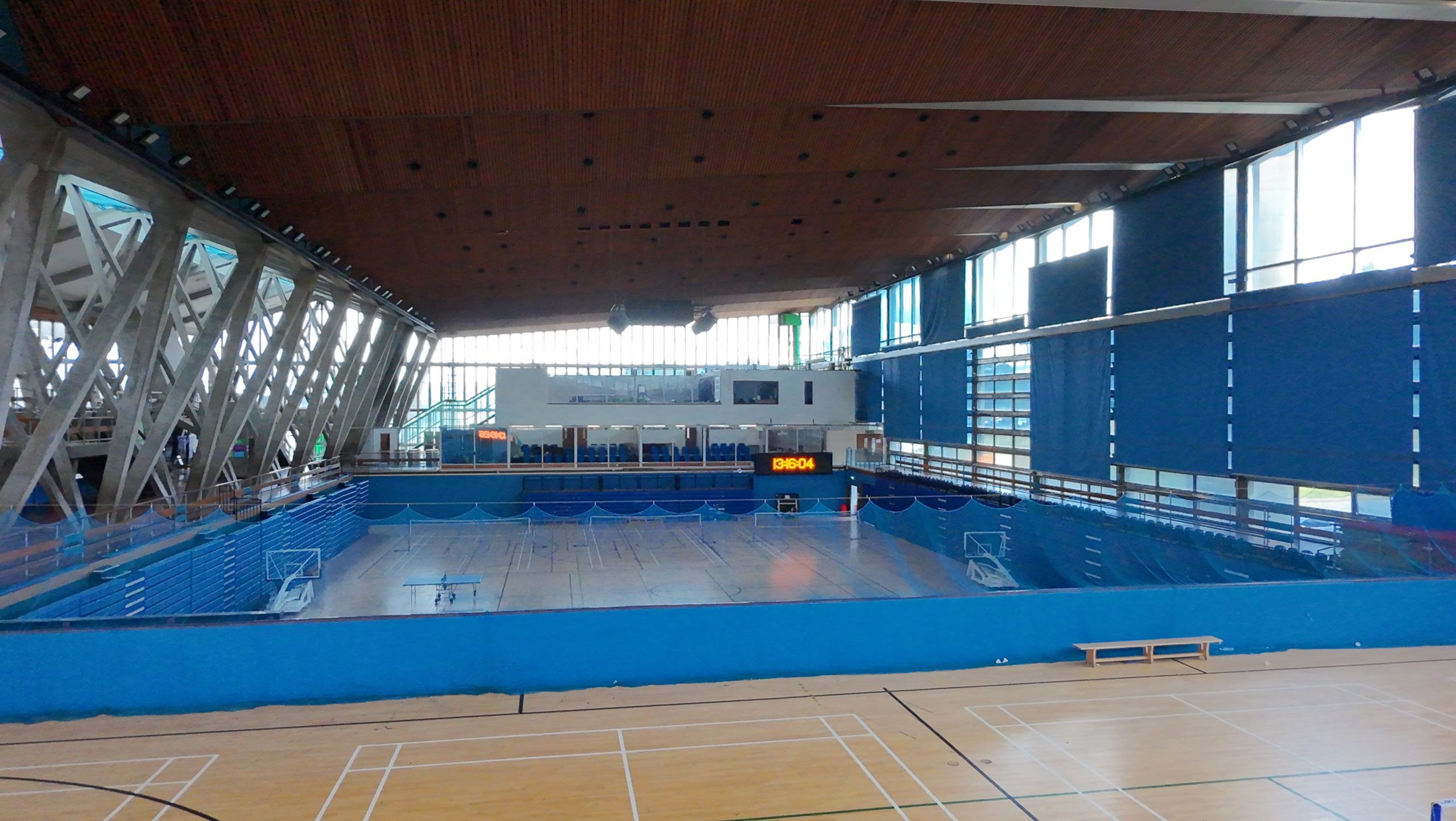
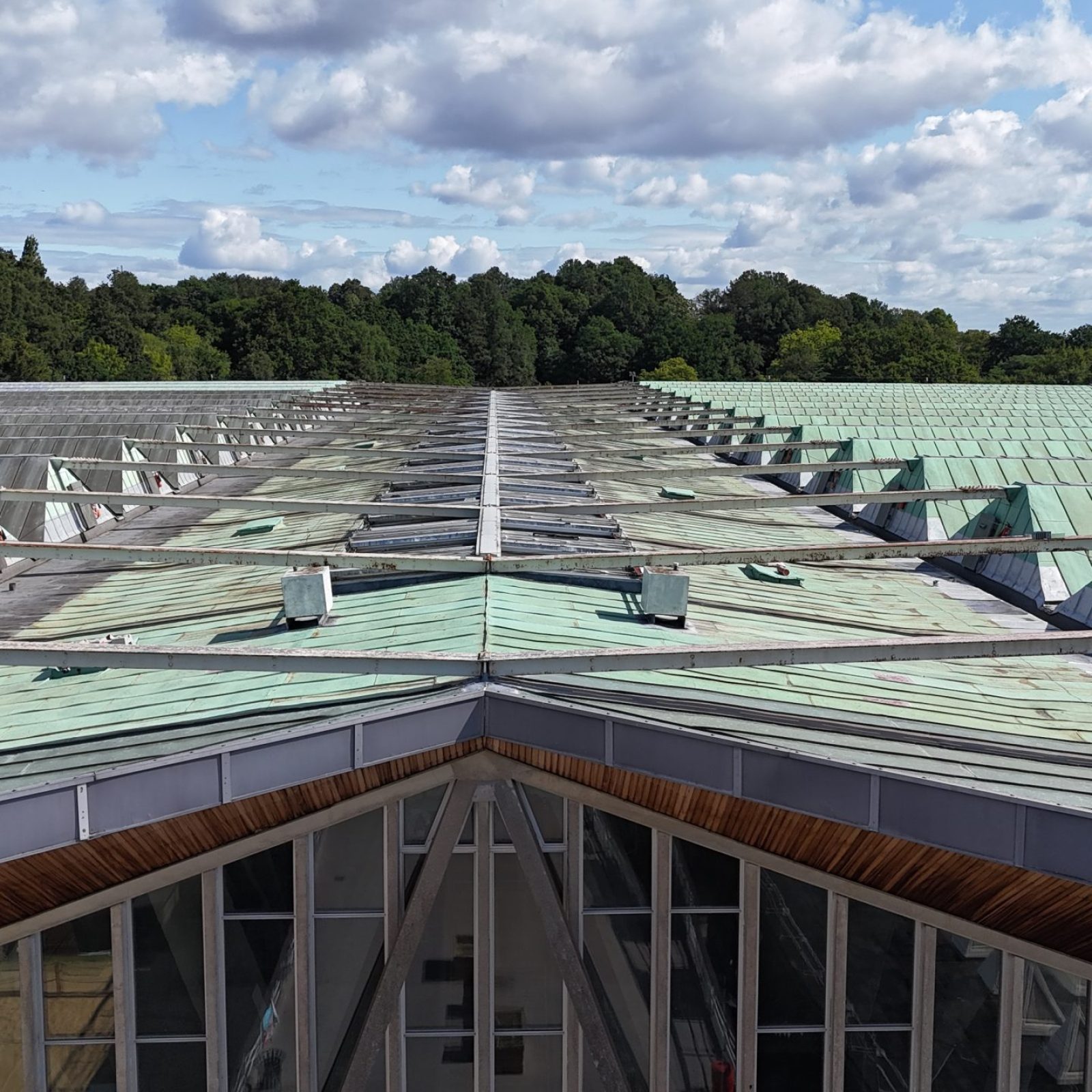
The Crystal Palace National Sports Centre is a nationally significant mid-20th-century structure located within the Crystal Palace Park Conservation Area. The building is characterised by its expansive roofscape, extensive use of steel framing, and tropical hardwood (teak) soffit linings that define the interior spaces.

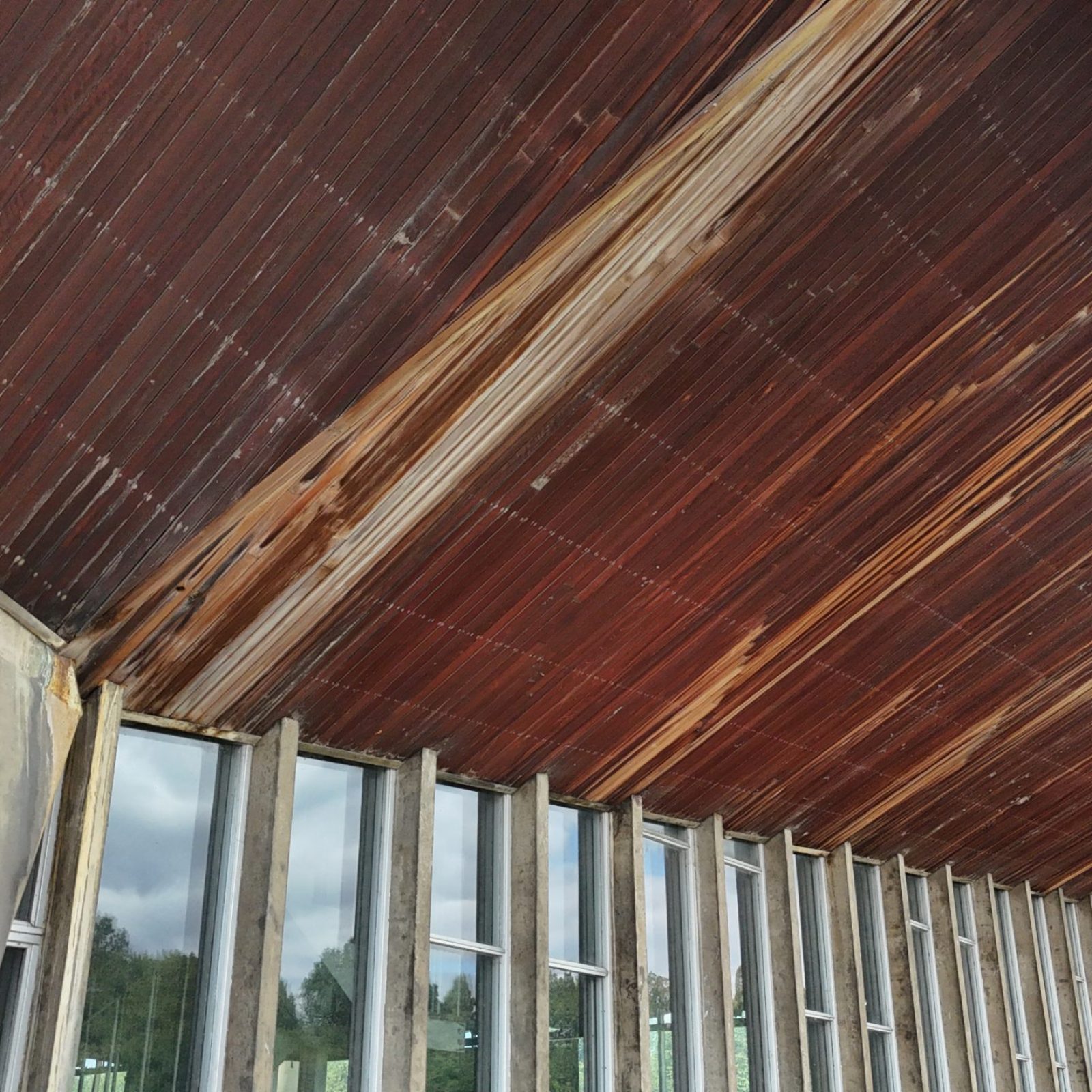
Six Heritage was appointed to undertake a comprehensive timber condition survey to inform future refurbishment proposals. The survey focused on assessing the condition of teak soffits, perimeter cladding timbers, soffit joists, timber walkways within roof voids, and the mezzanine floor structure to the 25-metre pool. The instruction followed concerns regarding potential decay, historic repairs, and the long-term durability of timber elements in a complex environment subject to elevated humidity and moisture loads.

A holistic methodology was adopted, incorporating visual inspection, tactile assessment, moisture measurement, drone surveys, and fibre-optic videoscope investigations where access was restricted. This approach allowed Six Heritage to identify active defects, historic decay, and areas of latent vulnerability while minimising disturbance to the building fabric.
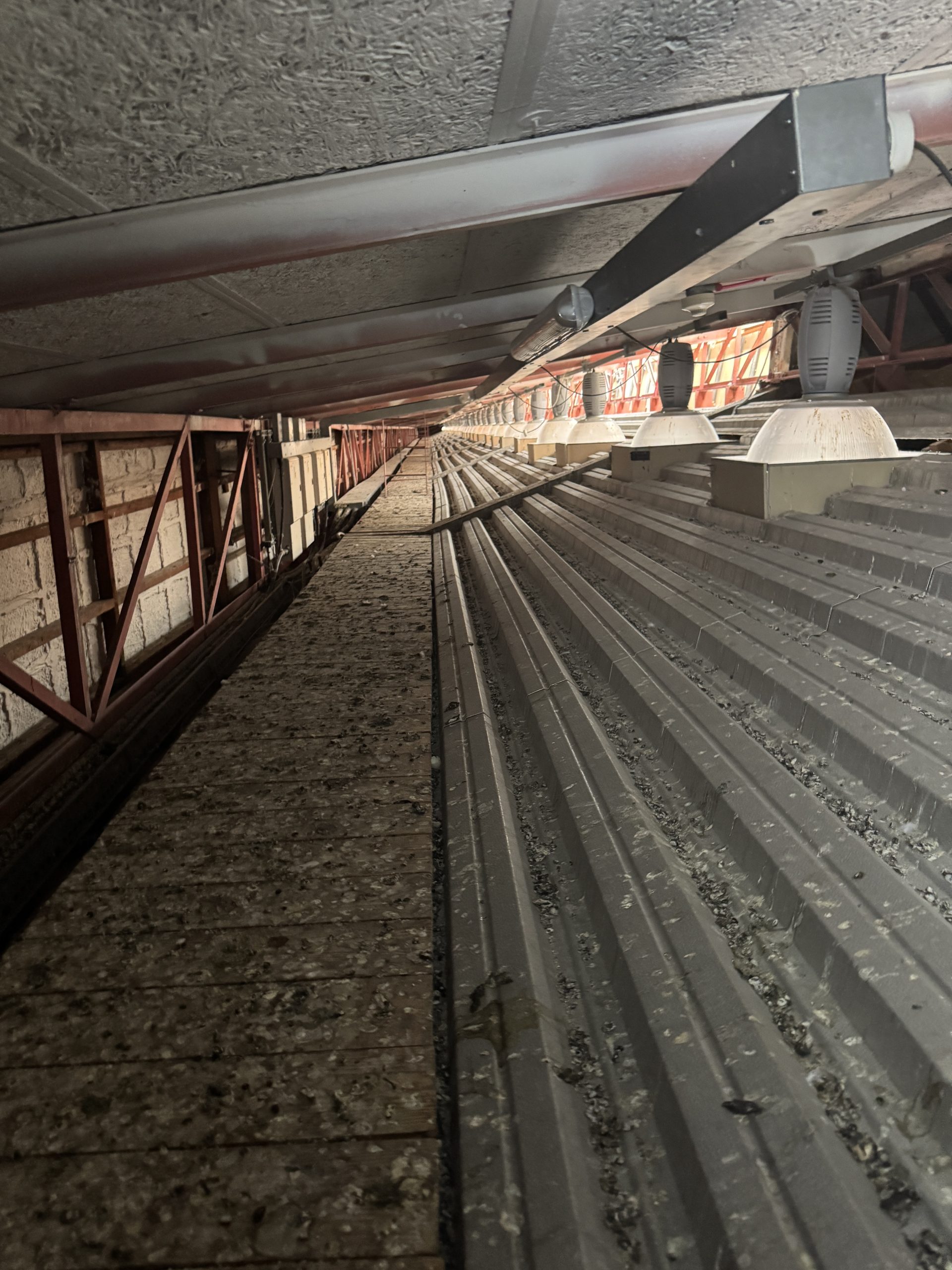
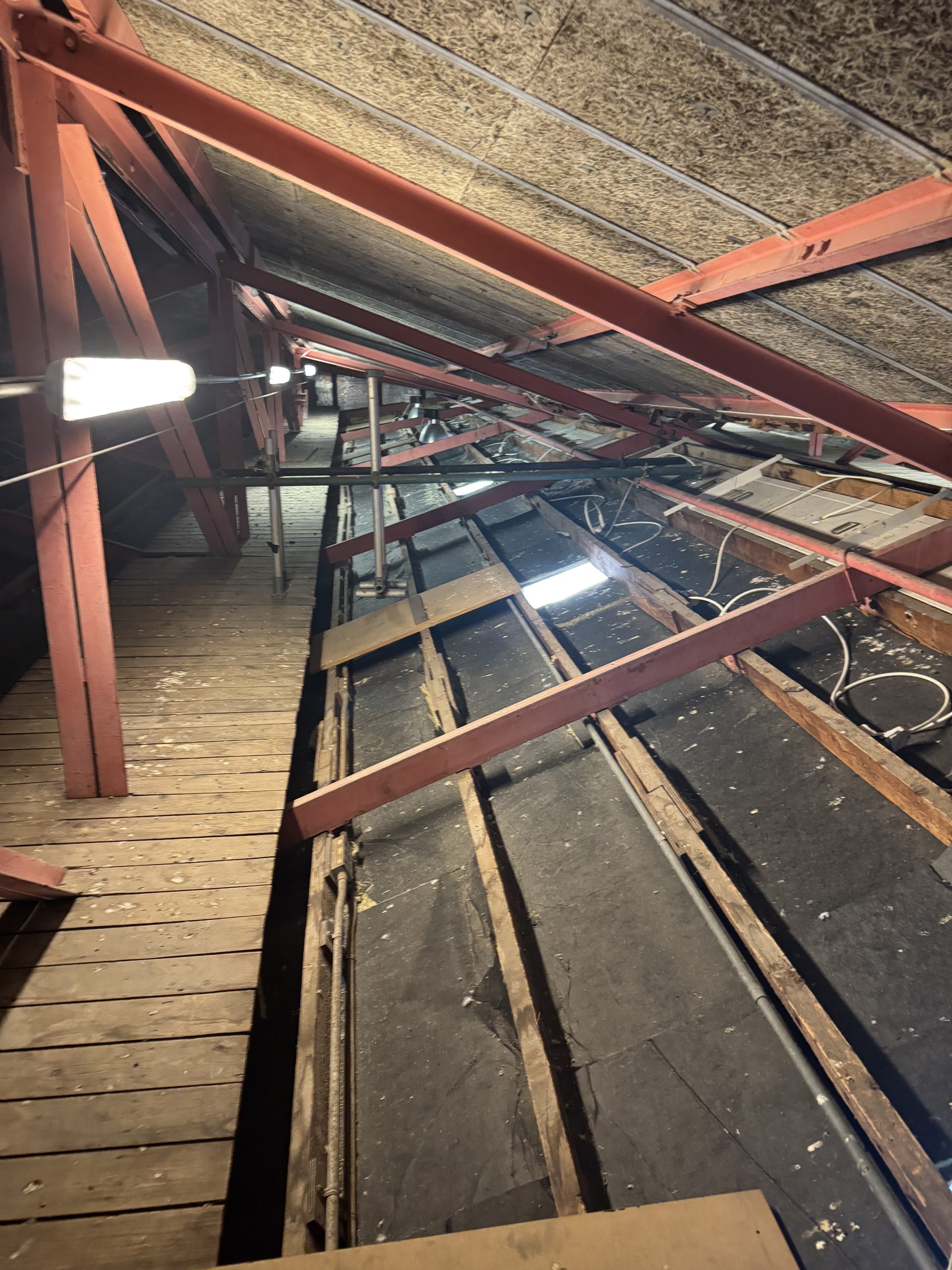
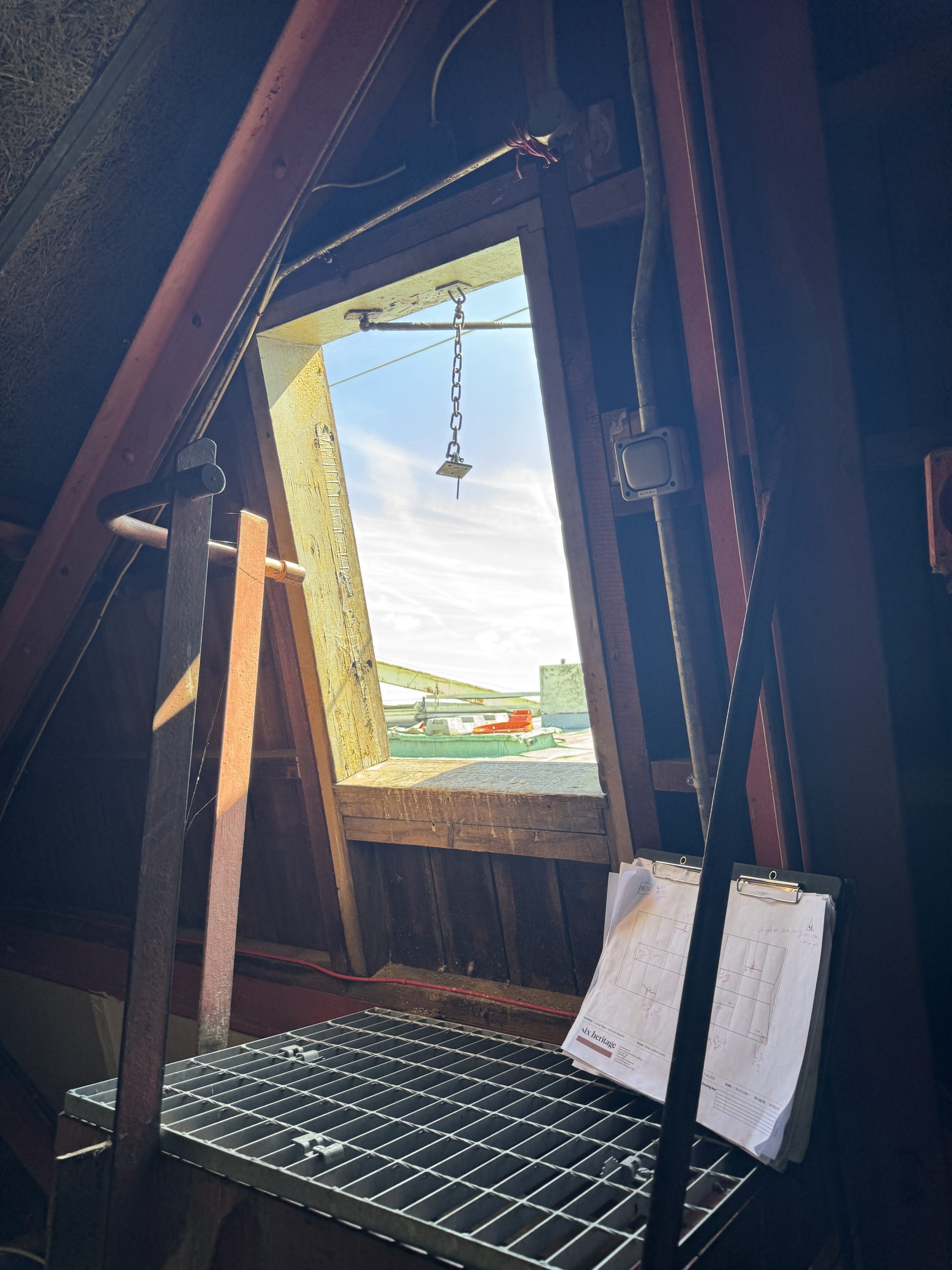
The survey identified a number of localised defects to timber elements within roof voids, including separated joints, historic repairs that were no longer effective, and localised decay associated with water ingress from defective roof finishes and rainwater goods. In several areas, partnered repairs to soffit joists were either missing or had failed, resulting in joint separation and increased structural vulnerability.

Timber walkways within roof voids were generally free from biological decay but had suffered widespread mechanical damage, missing boards, and failed fixings. Moisture staining was noted to valley gutter plates and adjacent timbers, highlighting the ongoing risk posed by rainwater penetration at high level

Investigations to the mezzanine floor of the 25-metre pool revealed a predominantly concrete structure with limited timber components. No significant defects were identified in accessible areas, and the construction was judged to be inherently resistant to damp and decay at the time of survey.

Crystal Palace National Sports Centre, London

The survey concluded that while the majority of historic timber elements remained suitable for retention, targeted repair and improvement works would be required as part of any future refurbishment. Priority recommendations focused on preventing further water ingress, improving rainwater goods and roof drainage, and addressing localised structural and joint defects under the direction of a Structural Engineer.

The findings of the survey now provide a robust evidence base to support conservation-led refurbishment of this important sporting and heritage asset, ensuring that original materials are retained wherever possible and that future interventions are both durable and sympathetic to the building’s historic significance

Context and materials – Timber durability and environmental conditions

The Sports Centre presents a challenging environmental context, with large internal volumes, limited natural ventilation in roof voids, and the presence of swimming pool facilities below. These conditions contribute to elevated humidity levels, increasing the risk of condensation and biological decay where moisture becomes trapped.

The teak soffits were generally found to be within their effective service life, with limited evidence of active decay. Their performance highlights the durability of well-selected hardwoods when detailed and maintained appropriately. However, failures in the wider building envelope and rainwater management systems had locally undermined this resilience, particularly at interfaces between timber, steel, and masonry elements

Other projects

Get in touch with us today