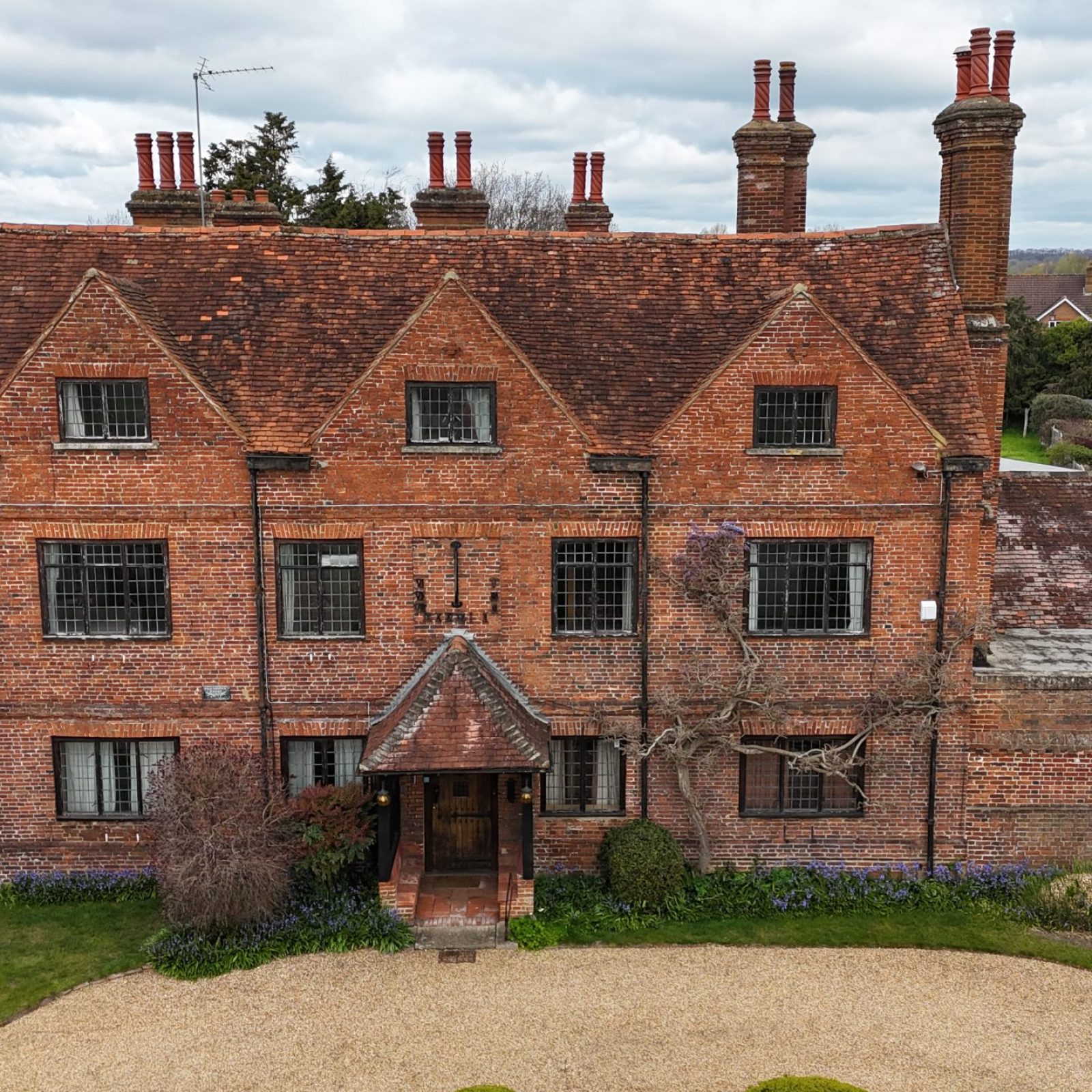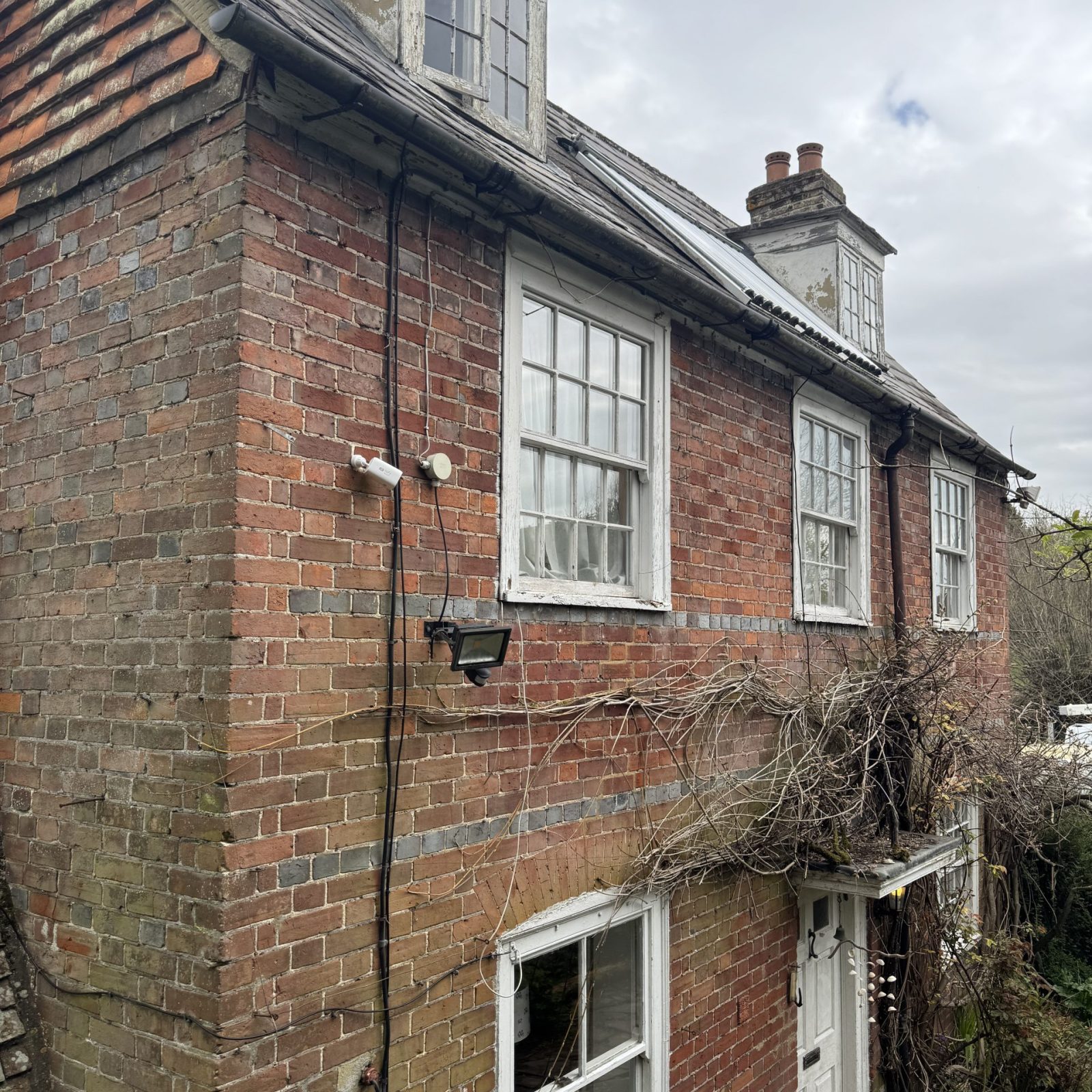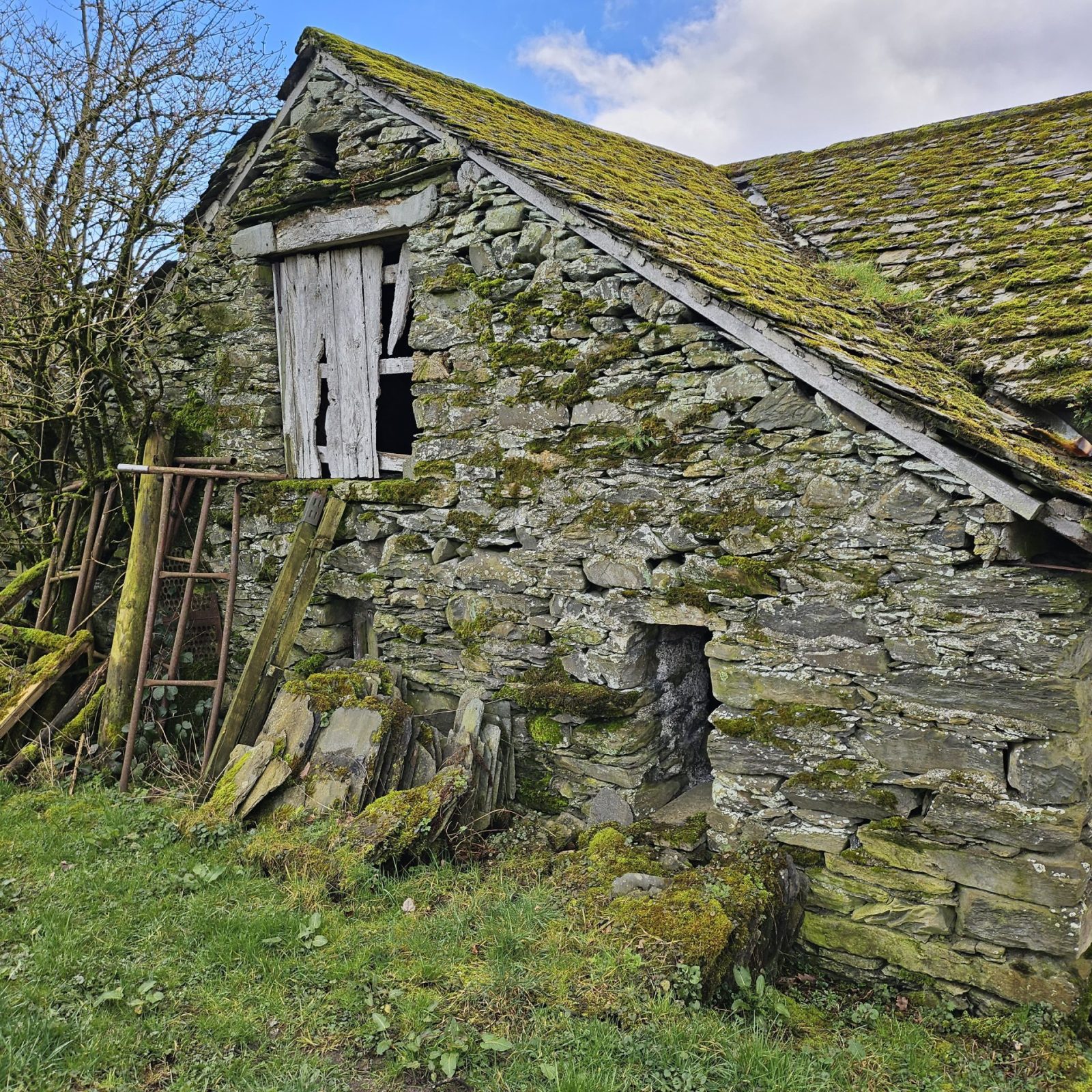
The barn was one of several buildings within the grounds of the wider property that had remained undeveloped, being used primarily for storage. The homeowners were considering renovating it into a habitable space and required investigations to be carried out into the condition of the building fabric to ensure that any defects, or latent defects were identified and repaired prior to any internal fit-out and second fix work taking place.
We carried out several different survey packages to determine the condition of vulnerable structural materials and those that provided protection against inclement weather. In particular, the external roof finishes, torching and the supporting roof timbers. The external rainwater drainage systems were also the subject of investigation, as were embedded timber lintels that were positioned over the open window and door apertures.
Initial investigations identified numerous areas of decay to structural roof timbers, particularly at eaves level and bearing ends that were embedded into, or in contact with external damp-affected masonry. Wood-boring insect infestation, namely Death Watch beetle (Xestobium rufovillosum) had occurred in some areas, however decay had largely been caused solely by fungal organisms (Coniophora puteana and Donkioporia expansa).