We are available throughout the Christmas period. Don't hesitate to enquire today.

Under the lamp

Case study

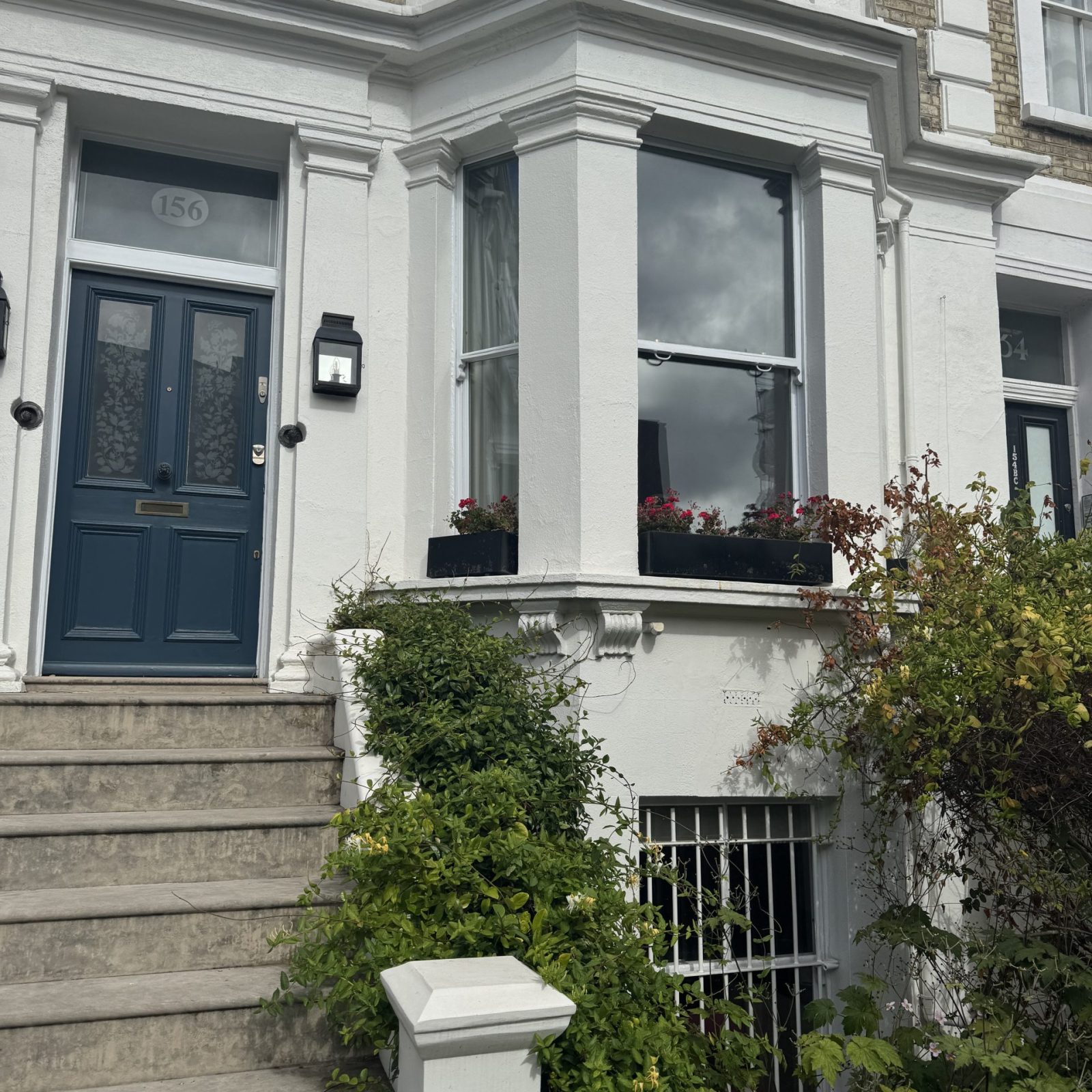
In September 2025 Six Heritage carried out a detailed water ingress and damp survey to assess the condition of the basement and lower-ground level of a late Victorian terraced property in West London.

Author

Matthew Amis

Service

Water ingress and damp survey of basement/lower-ground level, including assessment of external envelope, rainwater goods, ground surface drainage, interior finishes, and environmental conditions

Completion

September 2025

Client

Private Client

Lancaster Road, London

The property on Lancaster Road is a late Victorian mid-terrace house arranged over multiple storeys, with a basement and lower-ground level forming habitable accommodation. The property had been subject to several phases of refurbishment and alteration, including waterproofing works undertaken in the early 2000s, following which intermittent damp conditions had re-emerged.

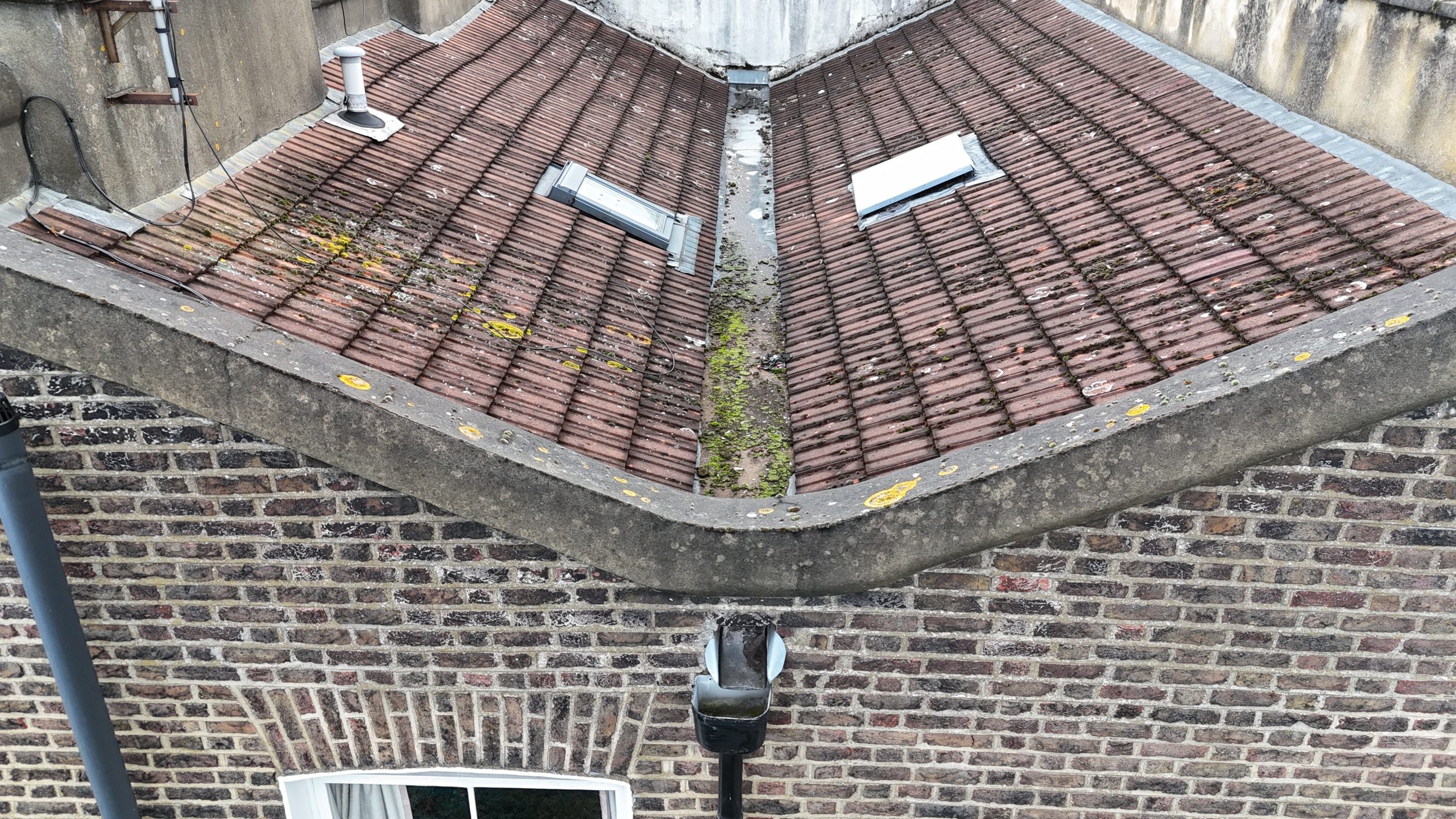
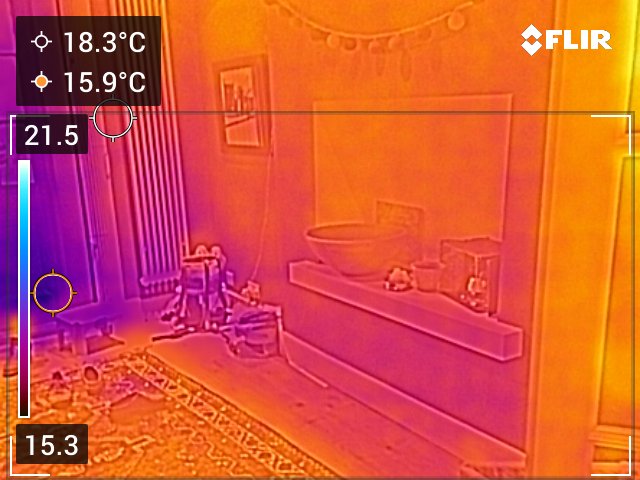
Six Heritage was instructed to investigate the distribution and likely causes of surplus moisture affecting the basement, and to provide cost-effective, conservation-led recommendations to manage damp and reduce the risk of decay. The survey adopted a holistic building pathology approach, combining visual inspection with moisture measurement, thermographic imaging, drone-assisted inspection of high-level elements, and laboratory analysis of masonry samples.

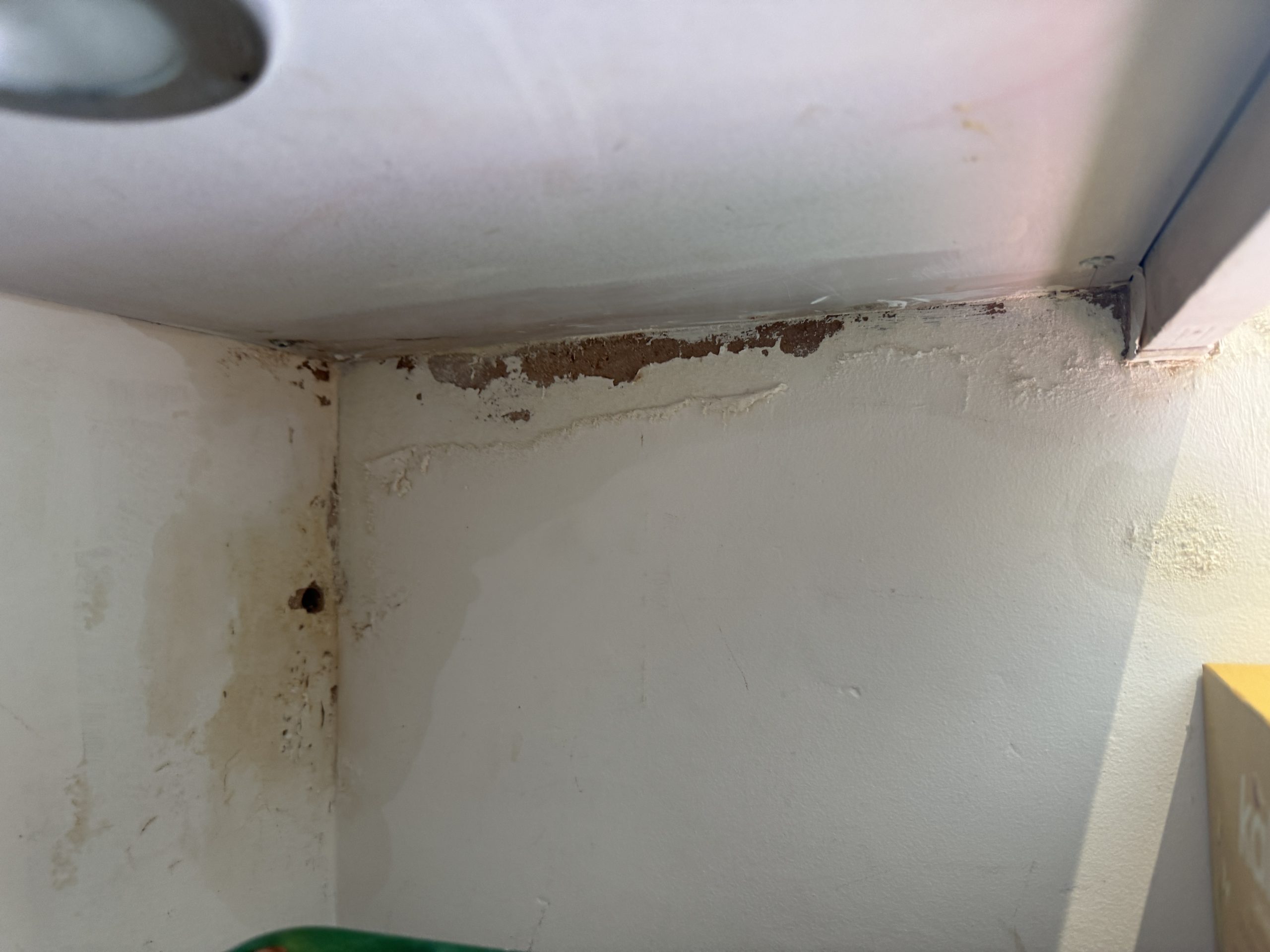
At the time of survey, damp-affected finishes were present in localised areas around the perimeter of the basement, particularly to the east and south-east. While clearly visible, these issues were not judged to be significantly impacting the use of the space and appeared to reflect a combination of historic water ingress mechanisms rather than acute or widespread failure.
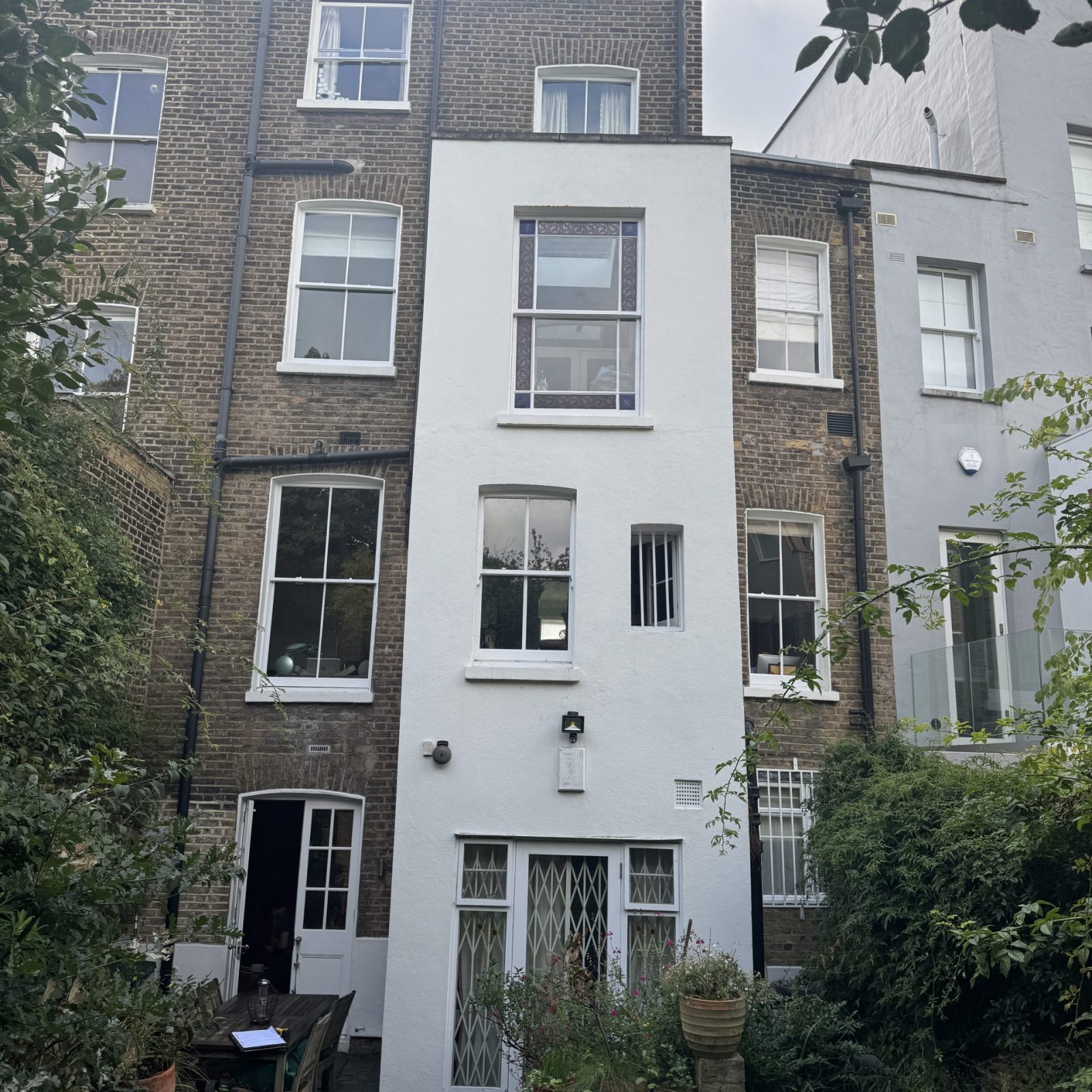
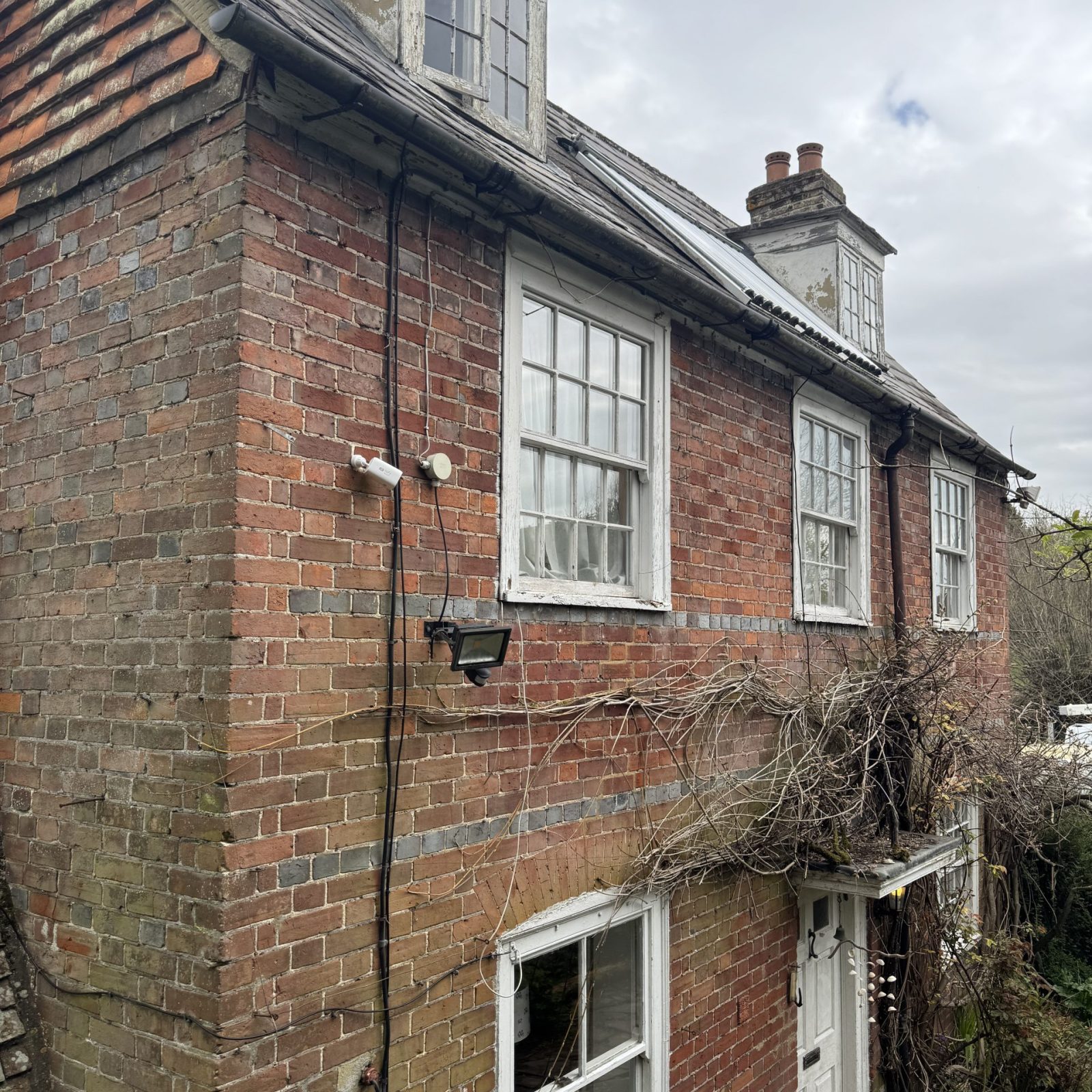
External inspection identified a number of defects that were contributing to moisture ingress at basement level. These included blocked or vulnerable rainwater goods, debris-filled valley gutters, and inadequately maintained ground surface drainage, particularly within the southern lightwell and around the basement entrance.

Elevated external ground levels relative to internal floor levels left the structure vulnerable to damp penetration, especially where drains were blocked or overcharged. Impermeable render and cementitious finishes applied to external masonry during previous refurbishment campaigns were found to be restricting evaporation and trapping moisture within the wall fabric.

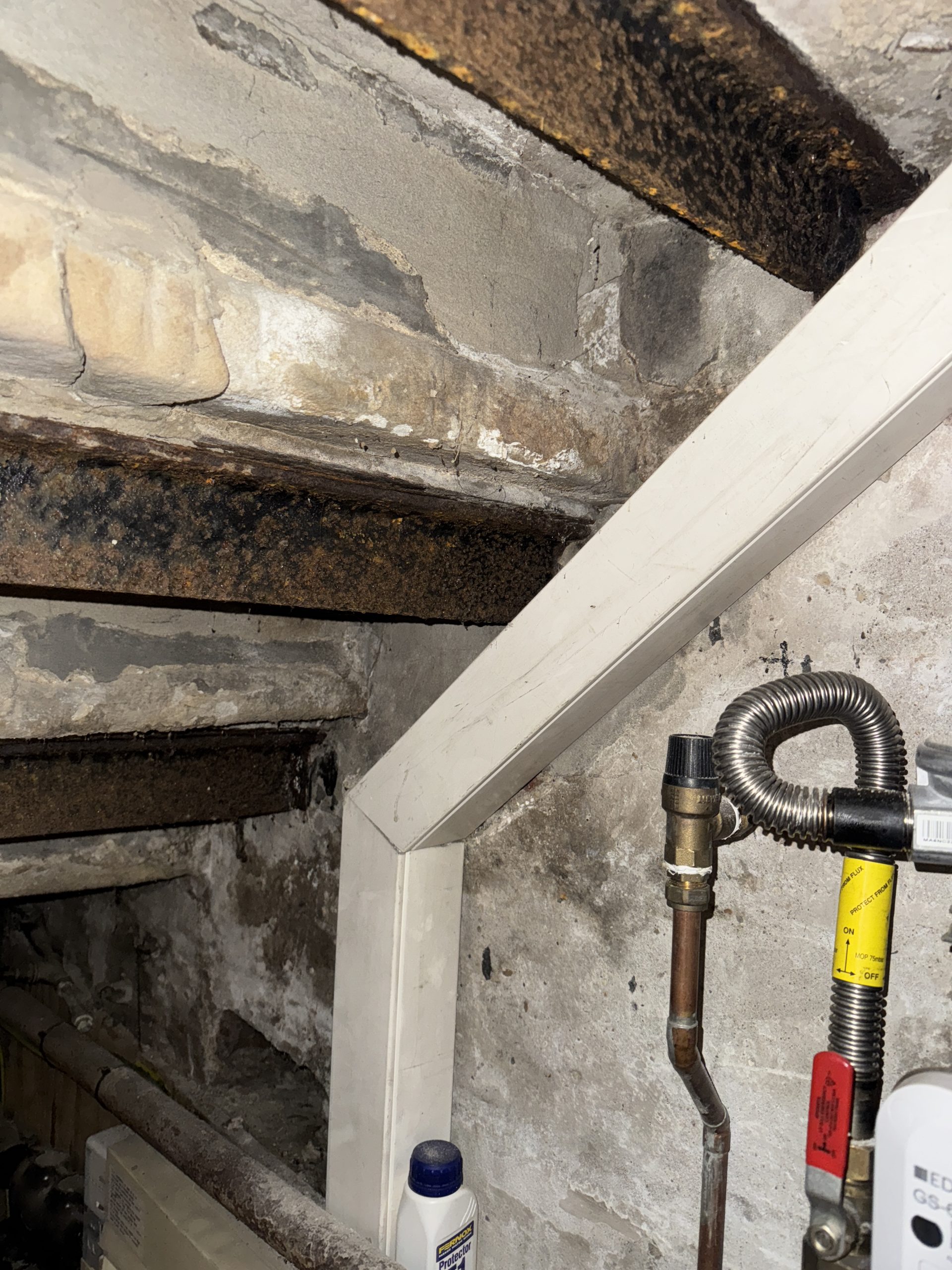
Internally, areas of cementitious tanking applied to masonry walls were judged to be at or beyond their effective service life. Rather than preventing moisture ingress, these finishes had served to redistribute or entrap moisture, resulting in localised failure of plaster and decorative finishes.

Lancaster Road, London

The survey concluded that no chemical damp-proof courses or intrusive waterproofing systems were required at this stage. Instead, Six Heritage recommended a strategy focused on improving external moisture management, clearing and maintaining rainwater goods and drainage, and addressing internal finishes using breathable, compatible materials.

Options included localised stripping and replastering with lime-based systems, or targeted dry-lining to isolate vulnerable finishes from damp masonry where appropriate. By addressing root causes rather than symptoms, the recommendations provide a pragmatic, conservation-led route to improving the long-term performance of the basement while avoiding unnecessary disruption or damage to the historic fabric.

Context and materials – Damp, salts, and historic construction

Laboratory testing of nine masonry samples revealed that only a small number contained elevated levels of available (liquid) moisture, and even these were only marginally above thresholds associated with dampness. However, the majority of samples exhibited elevated hygroscopic salt content, indicating a history of moisture movement through the masonry.

These salts continue to attract airborne moisture, leading to cyclical deterioration of internal finishes even where walls are technically ‘dry’. This finding supported the conclusion that damp issues were largely residual and historic in nature, rather than the result of ongoing major water ingress.

Environmental monitoring showed a warm, moderately humid basement environment, with surface temperatures in damp-affected areas approaching dew point. This highlighted the importance of managing ventilation and environmental conditions alongside fabric repairs to reduce the risk of condensation and mould growth.

Other projects

Get in touch with us today