We are available throughout the Christmas period. Don't hesitate to enquire today.

Under the lamp

Case study

In October 2025 Six Heritage undertook a detailed condition and risk management survey of Lyttel Hall, a historic country house complex, to assess the condition of the building fabric and identify defects contributing to water ingress, material decay, and long-term vulnerability.

Author

Matthew Amis

Service

Preliminary condition and risk management survey, including assessment of roof finishes, rainwater goods, façades, internal damp mechanisms, structural timbers, and environmental conditions

Completion

October 2025

Client

Private Client

Nutfield, Surrey
Nutfield, Surrey

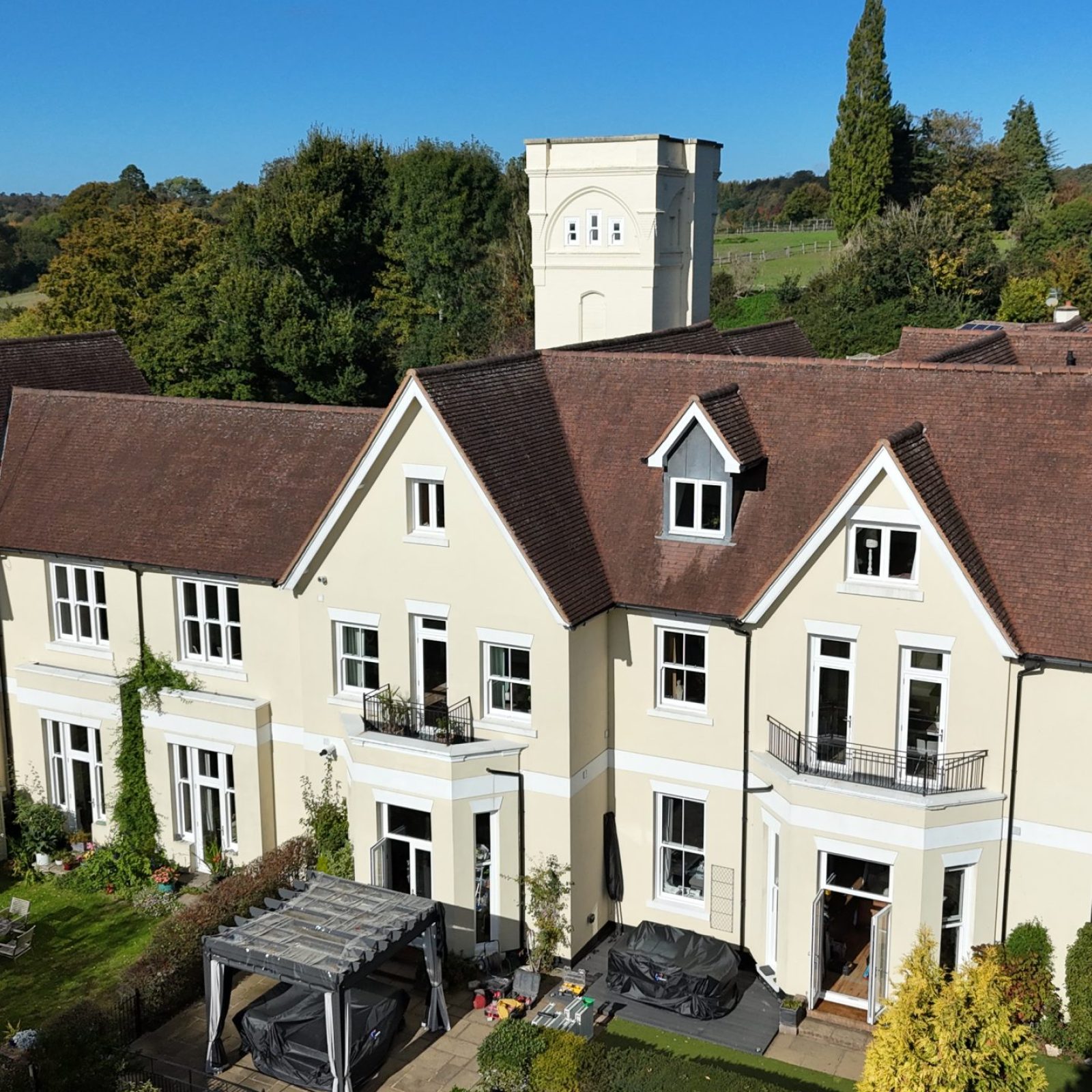
Lyttel Hall is a substantial historic property of considerable architectural character, set within a rural Surrey context and comprising a principal hall with later extensions and associated elements. The building retains a mixture of traditional construction materials, including masonry walls, historic roof structures, and timber floors, reflecting its phased development over time.

Six Heritage was instructed to assess the overall condition of the building fabric following concerns regarding water ingress, deterioration of finishes, and the long-term resilience of historic materials. The survey was undertaken to inform future repair and maintenance strategies, with a particular emphasis on understanding the causes of deterioration rather than treating symptoms alone.

A holistic building pathology approach was adopted, combining visual inspection with targeted moisture measurement, inspection of roof spaces, and appraisal of ventilation and environmental conditions. This enabled defects, latent risks, and areas of increased vulnerability to be identified while remaining sensitive to the historic fabric.

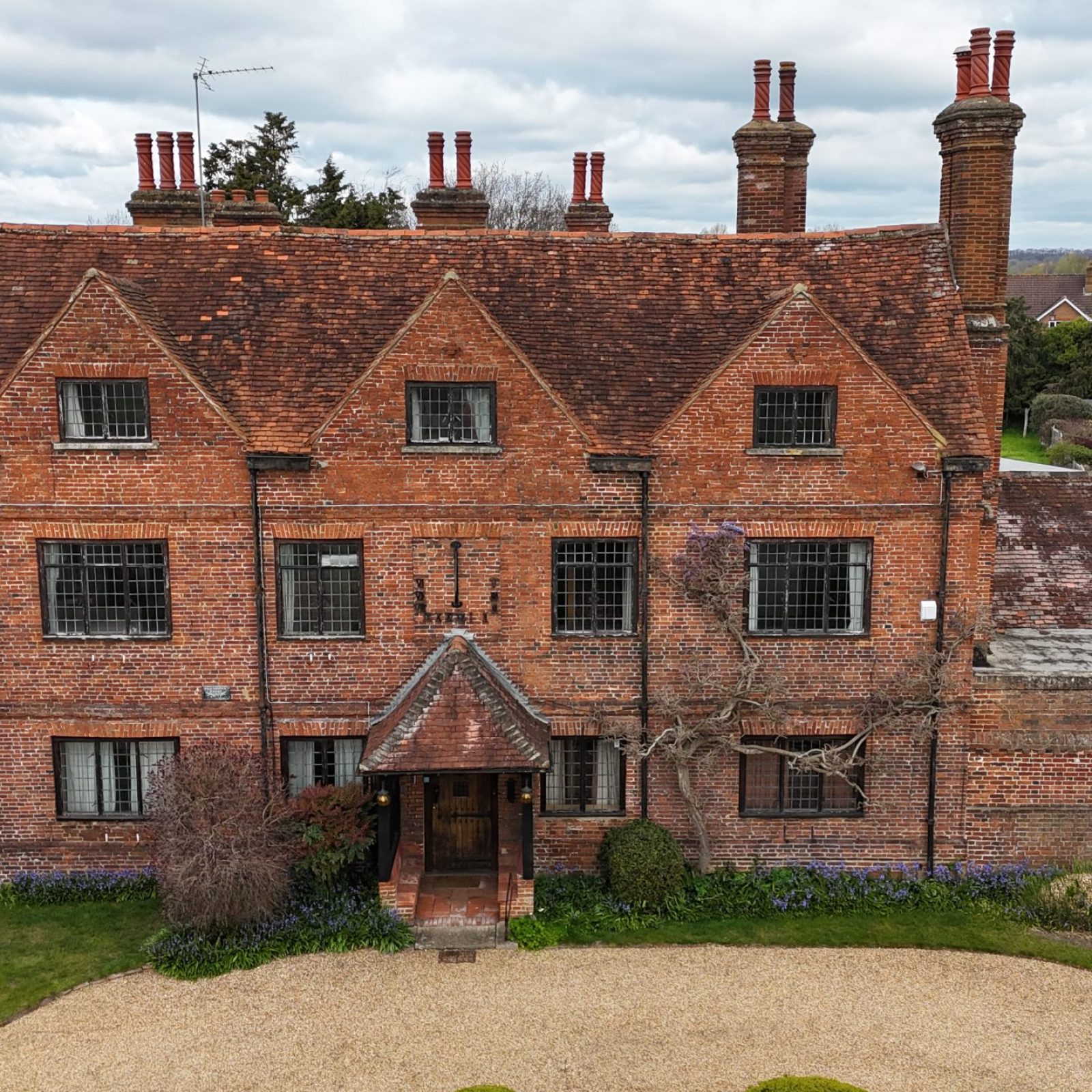
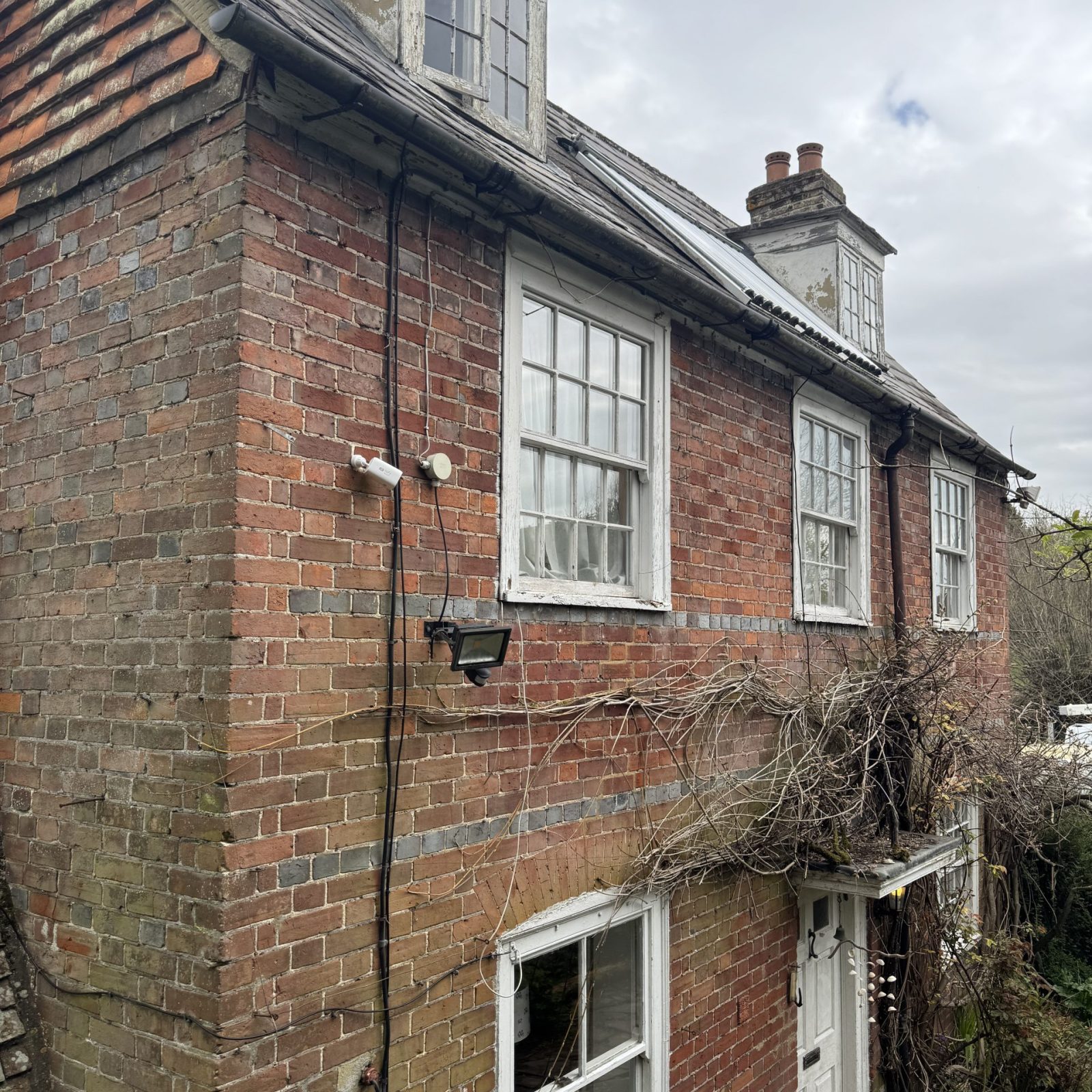
The survey identified defects to roof coverings and rainwater goods that were allowing rainwater to discharge onto masonry elevations and penetrate the building envelope. Blocked or poorly detailed gutters and downpipes had resulted in localised saturation of walls, particularly at junctions and changes in construction, increasing the risk of damp-related deterioration internally.

Externally, areas of masonry exhibited weathered mortar joints and inappropriate past repairs using hard cementitious materials. These repairs were restricting the ability of the walls to dry, contributing to moisture retention and the migration of salts within the masonry fabric.

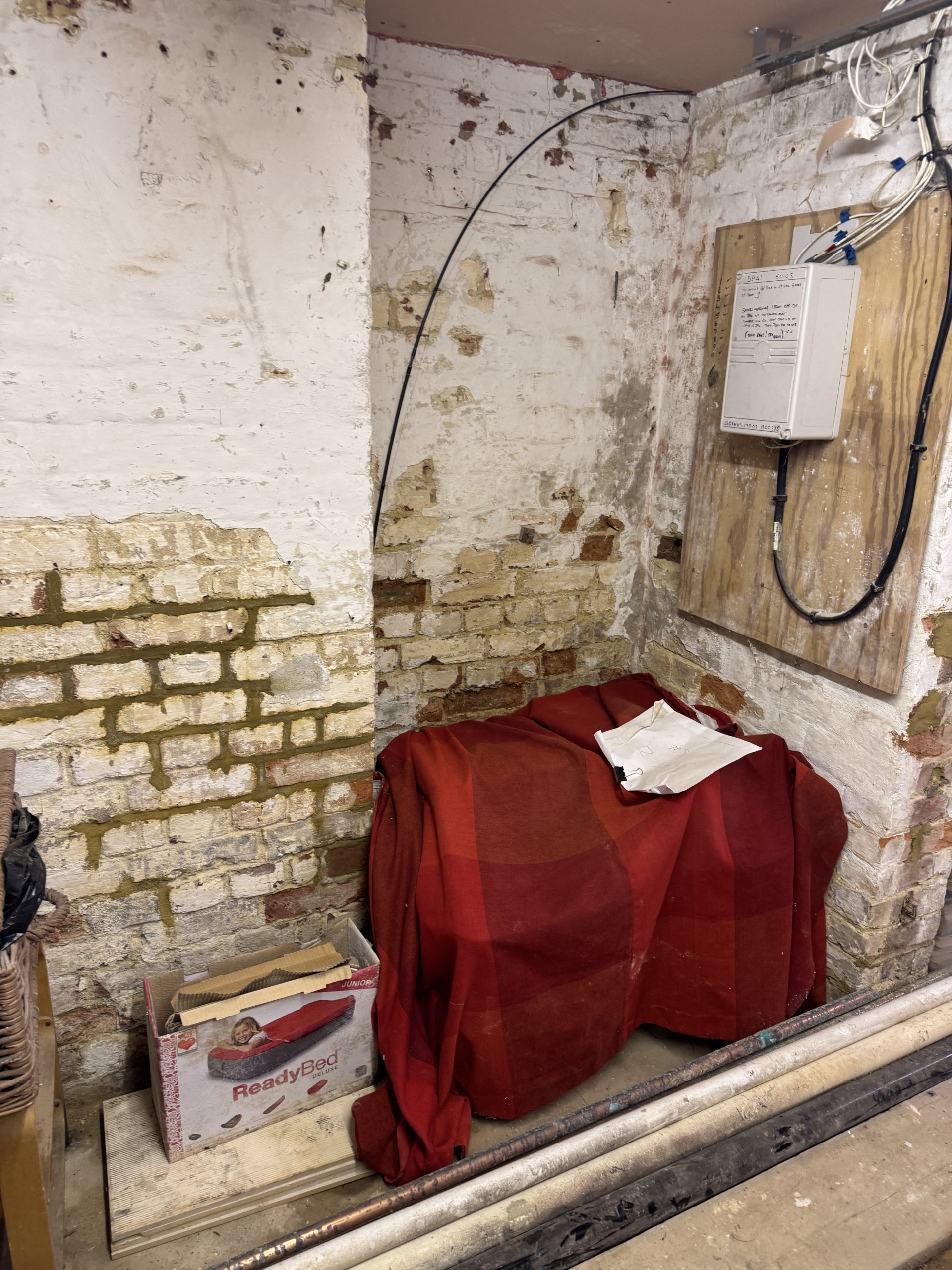
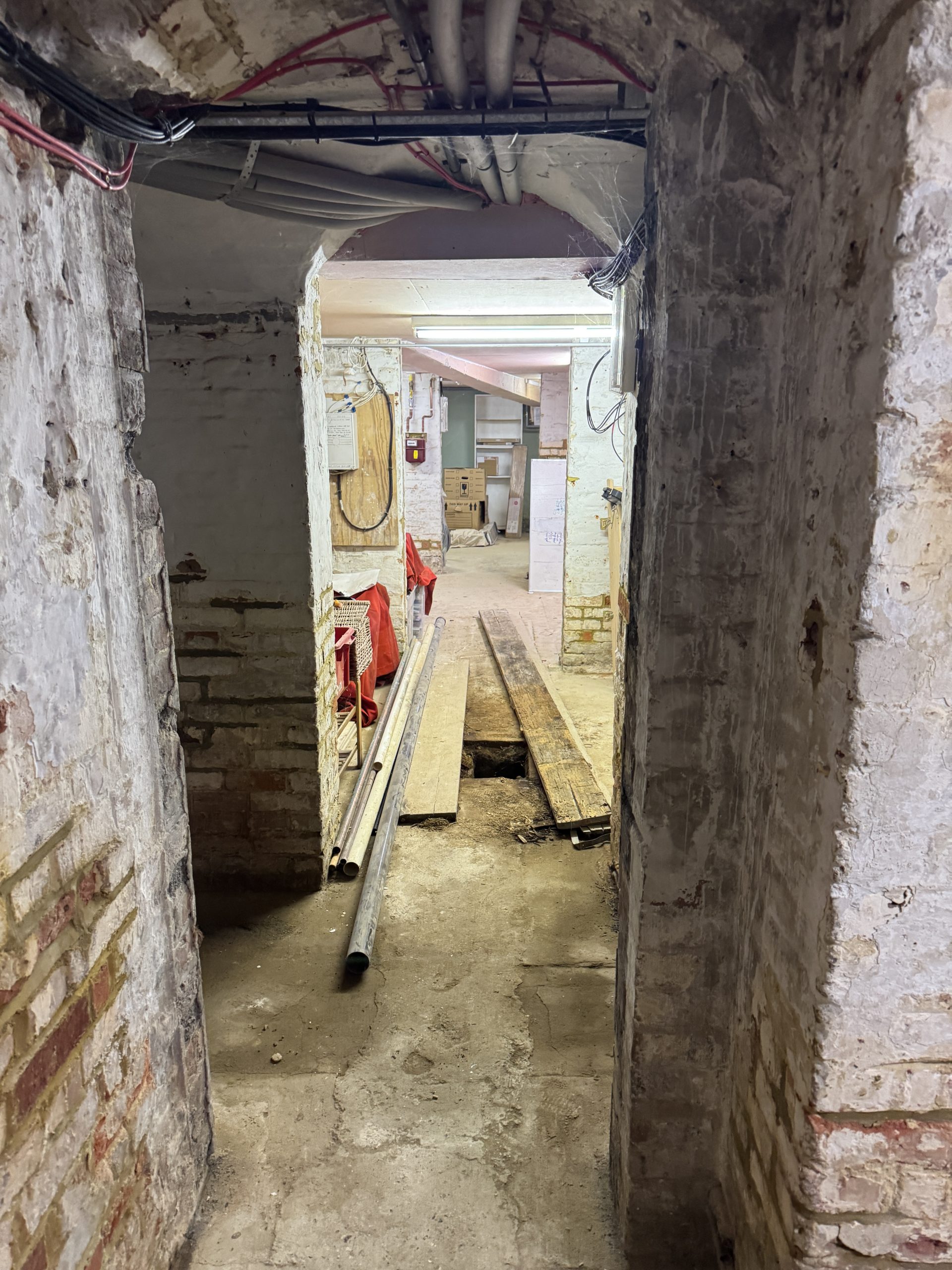
Internally, damp-affected finishes were noted in localised areas, typically at low level and around structural junctions. These were associated with a combination of historic water ingress, reduced ventilation, and the use of impermeable finishes that trapped residual moisture within the walls.

Nutfield, Surrey

The survey concluded that the building fabric could be stabilised and preserved through a programme of targeted, conservation-led repairs rather than wholesale replacement. Immediate priorities focused on improving weathering details, clearing and repairing rainwater goods, and reinstating breathable materials to allow masonry and timber elements to dry.

Longer-term recommendations included establishing a planned maintenance regime, improving ventilation to roof and floor voids, and undertaking repairs using compatible materials and traditional techniques. The findings now provide a clear evidence base to guide future repair works and ensure the long-term conservation of Lyttel Hall as a significant historic building.

Context and materials – Traditional construction, moisture, and decay mechanisms

Lyttel Hall is constructed using traditional materials that rely on breathability and regular maintenance to perform effectively. Where ventilation pathways remained open and moisture sources were controlled, the historic fabric had generally performed well. However, defects to the external envelope and later interventions had disrupted this balance in several areas.

Assessments of accessible timber elements indicated that while some historic decay was present, much of this was inactive at the time of survey. Moisture readings were generally below thresholds associated with active fungal decay, suggesting that addressing moisture sources would significantly reduce future risk without the need for invasive treatment.

Other projects

Get in touch with us today