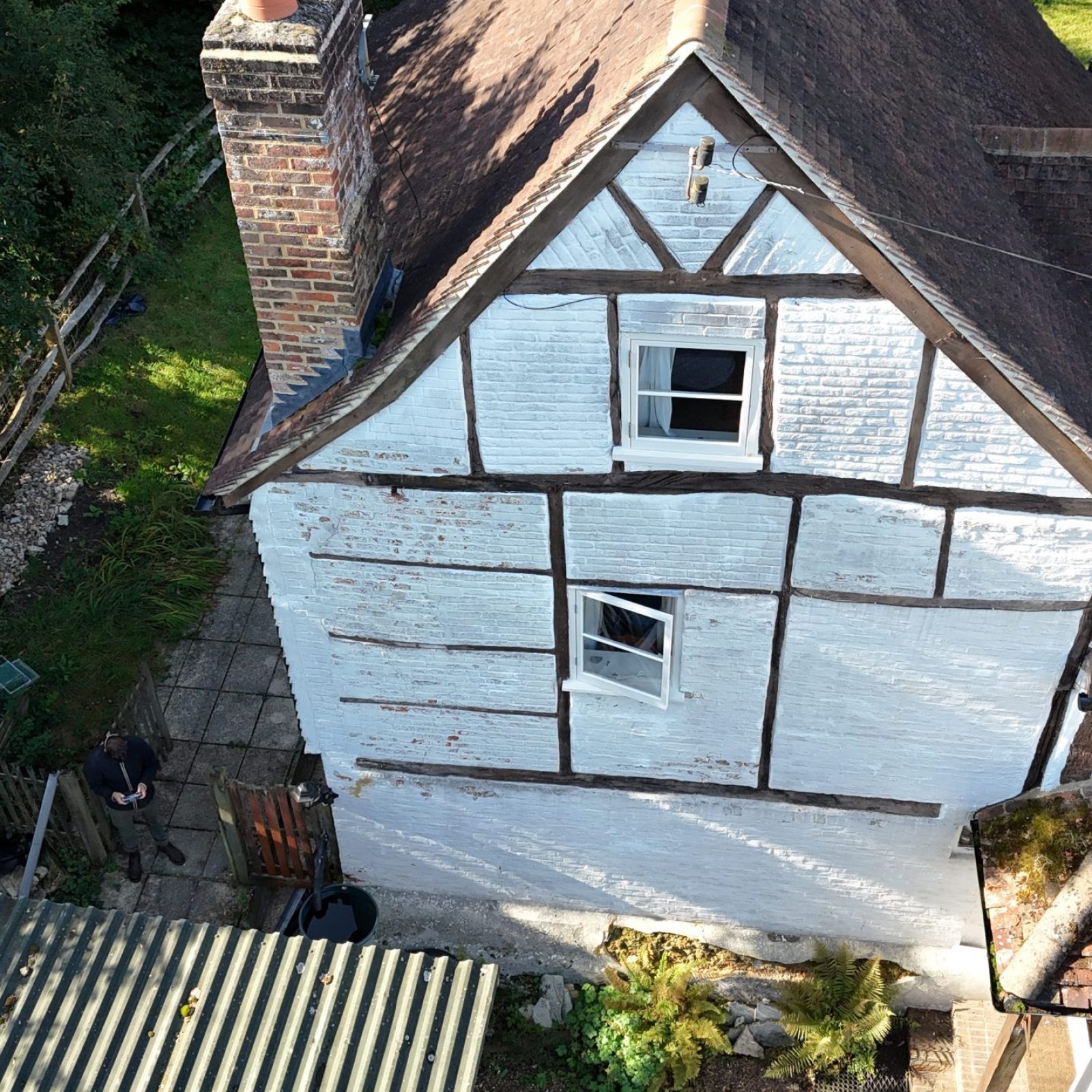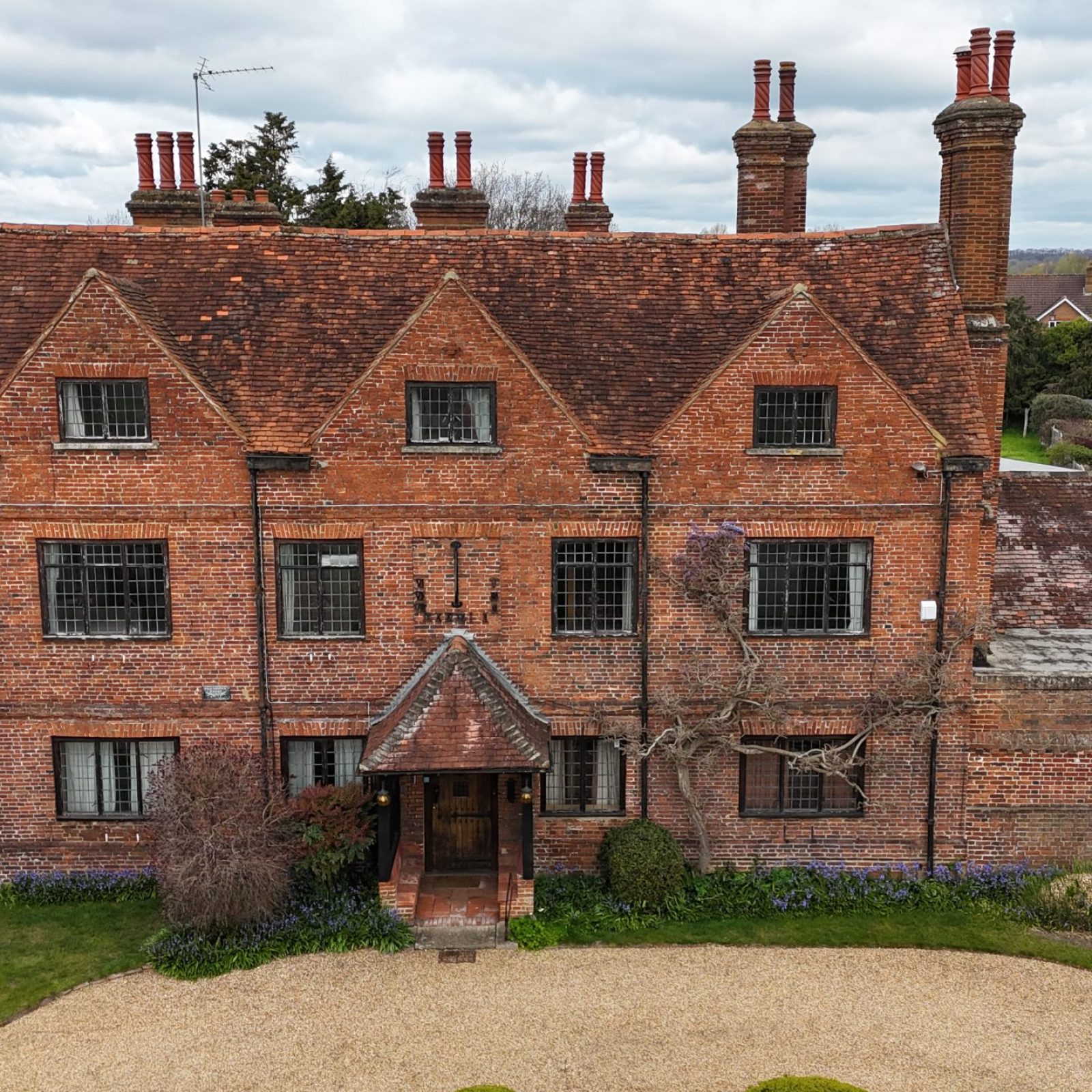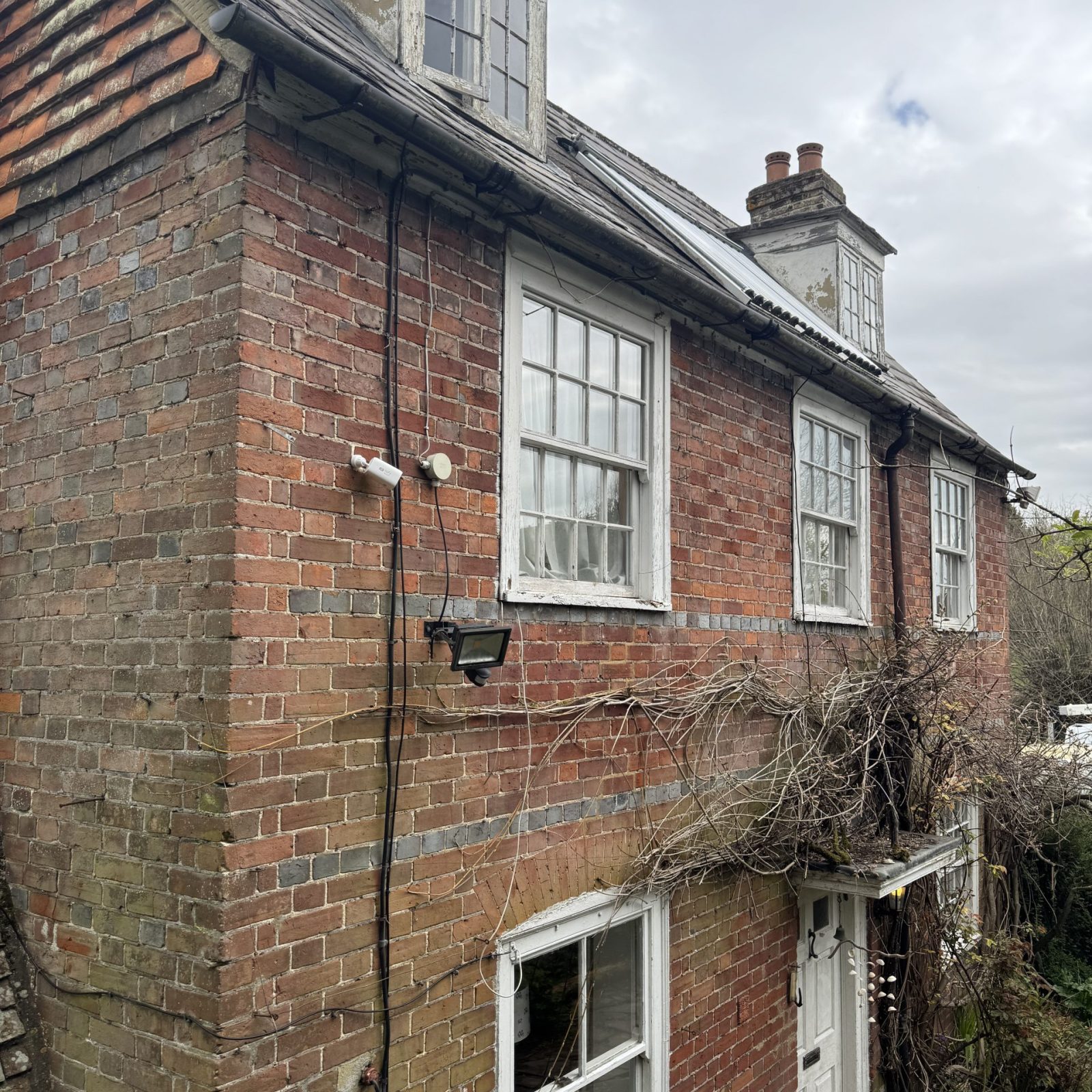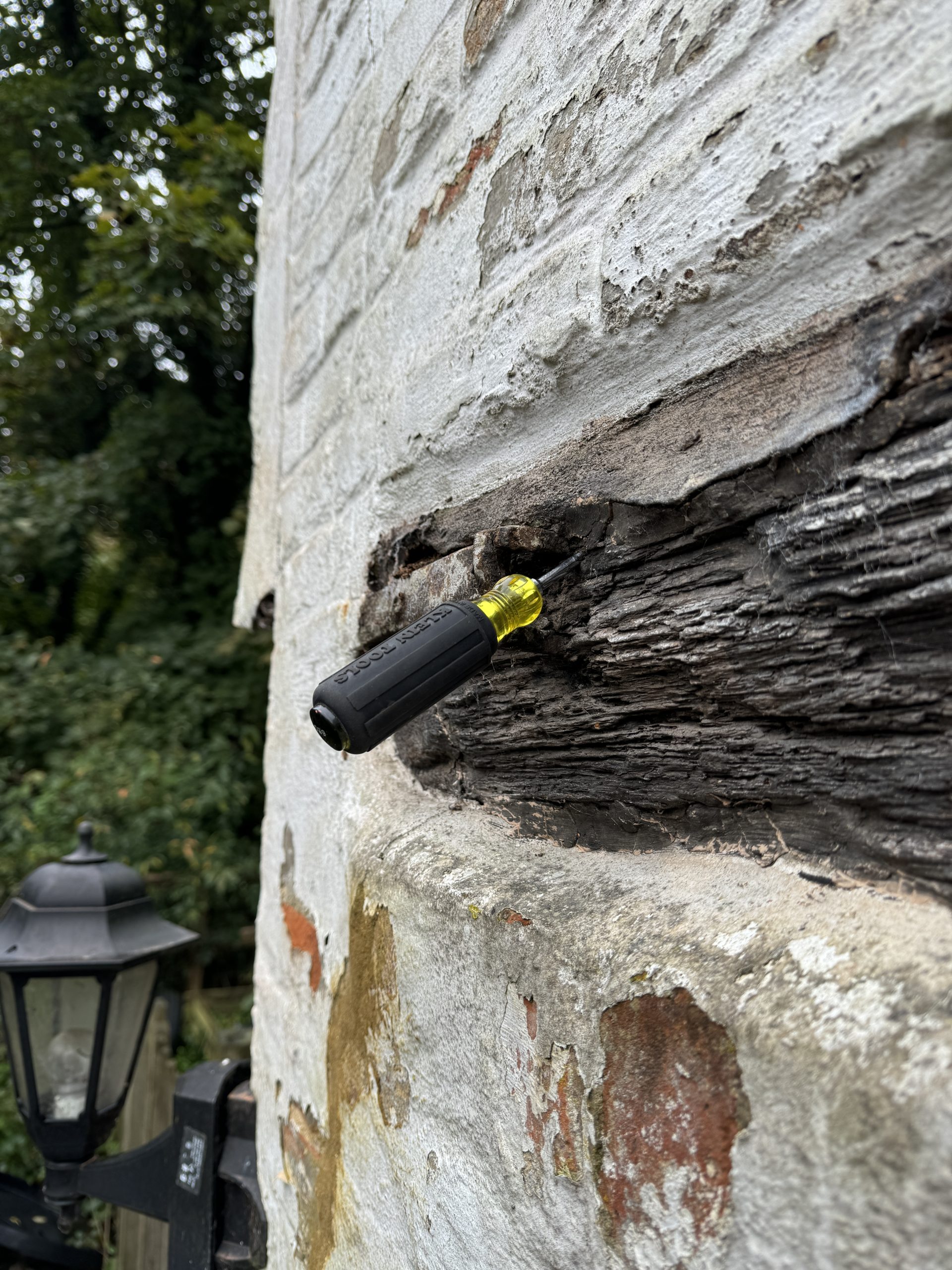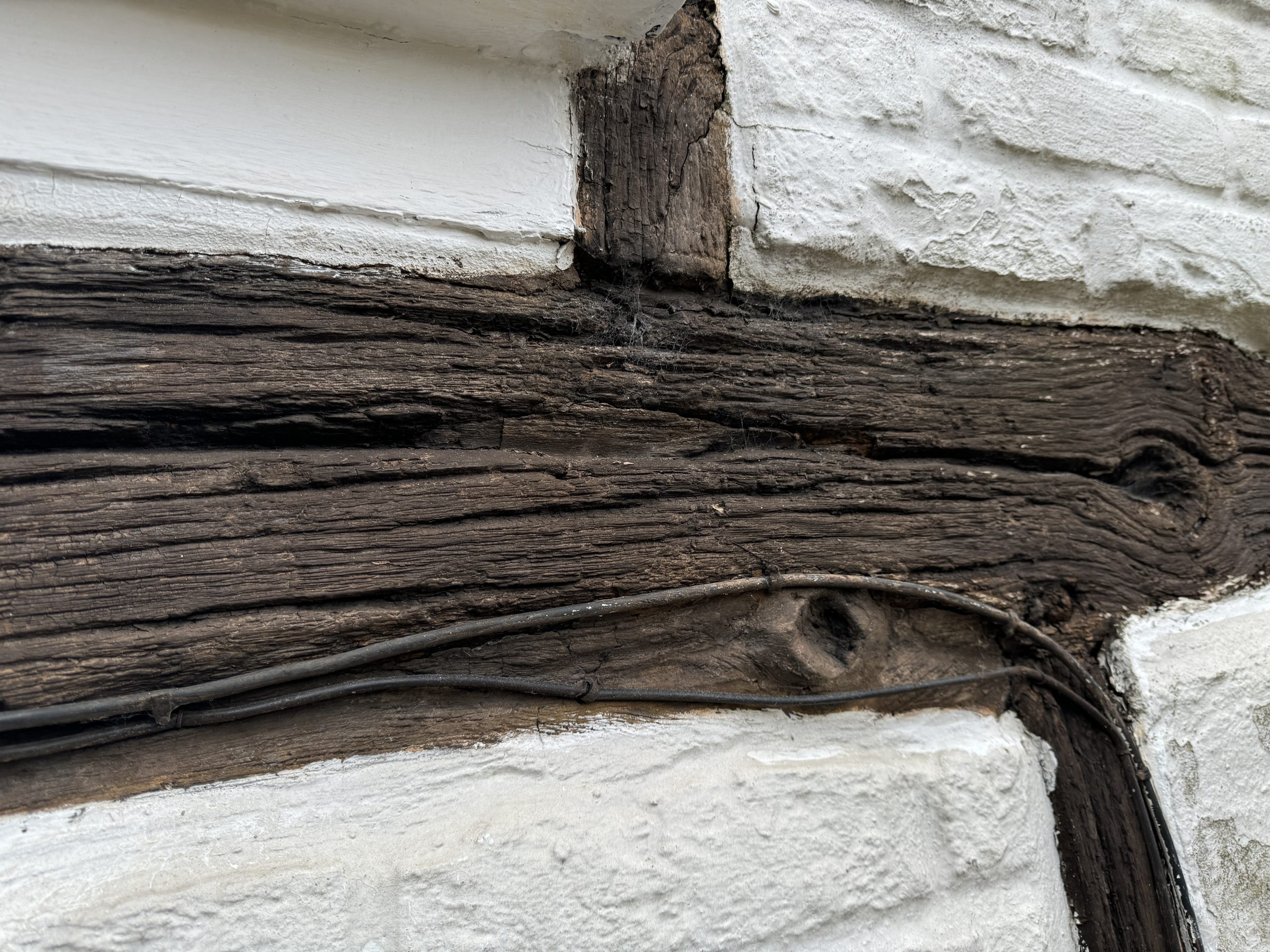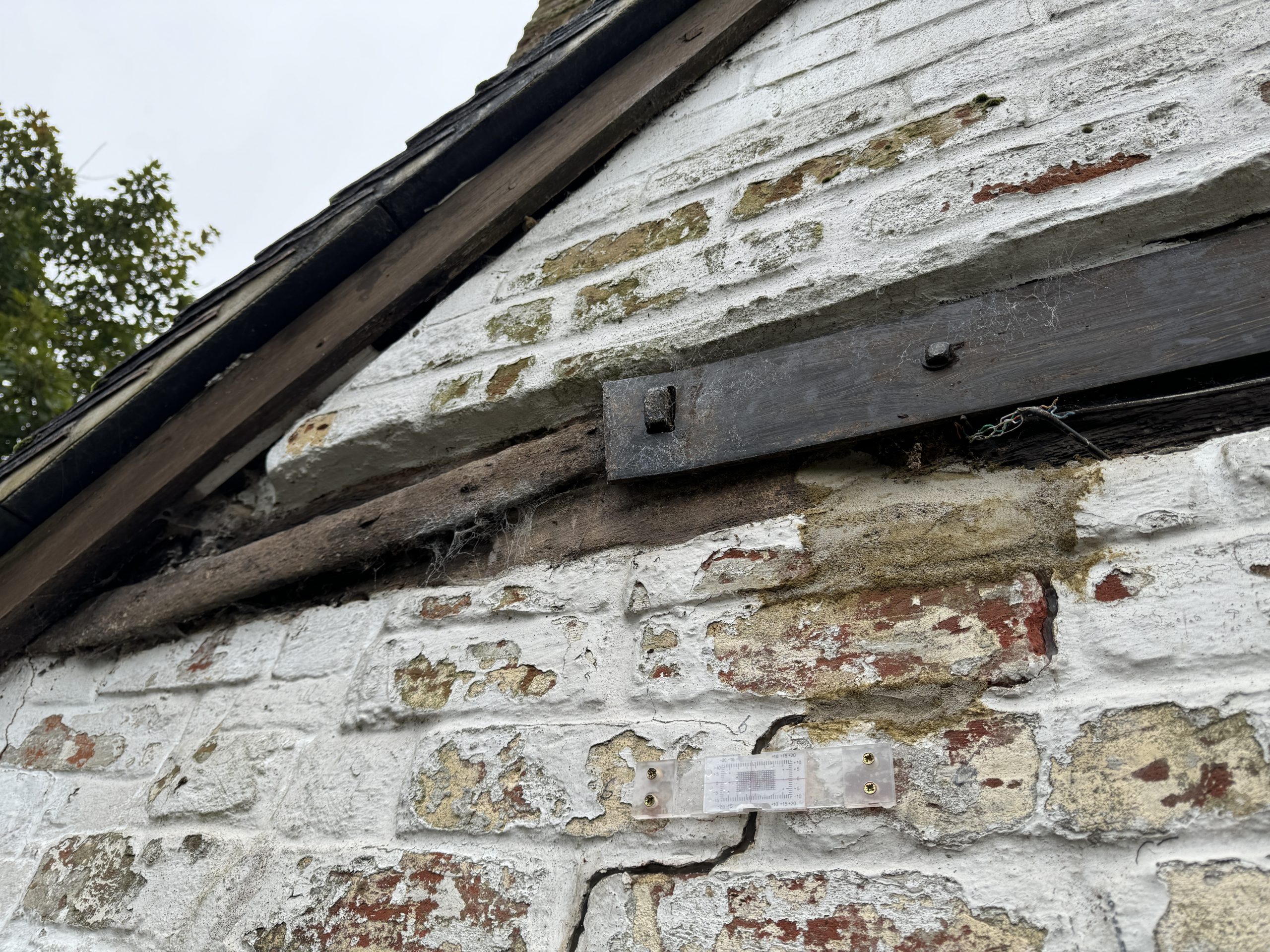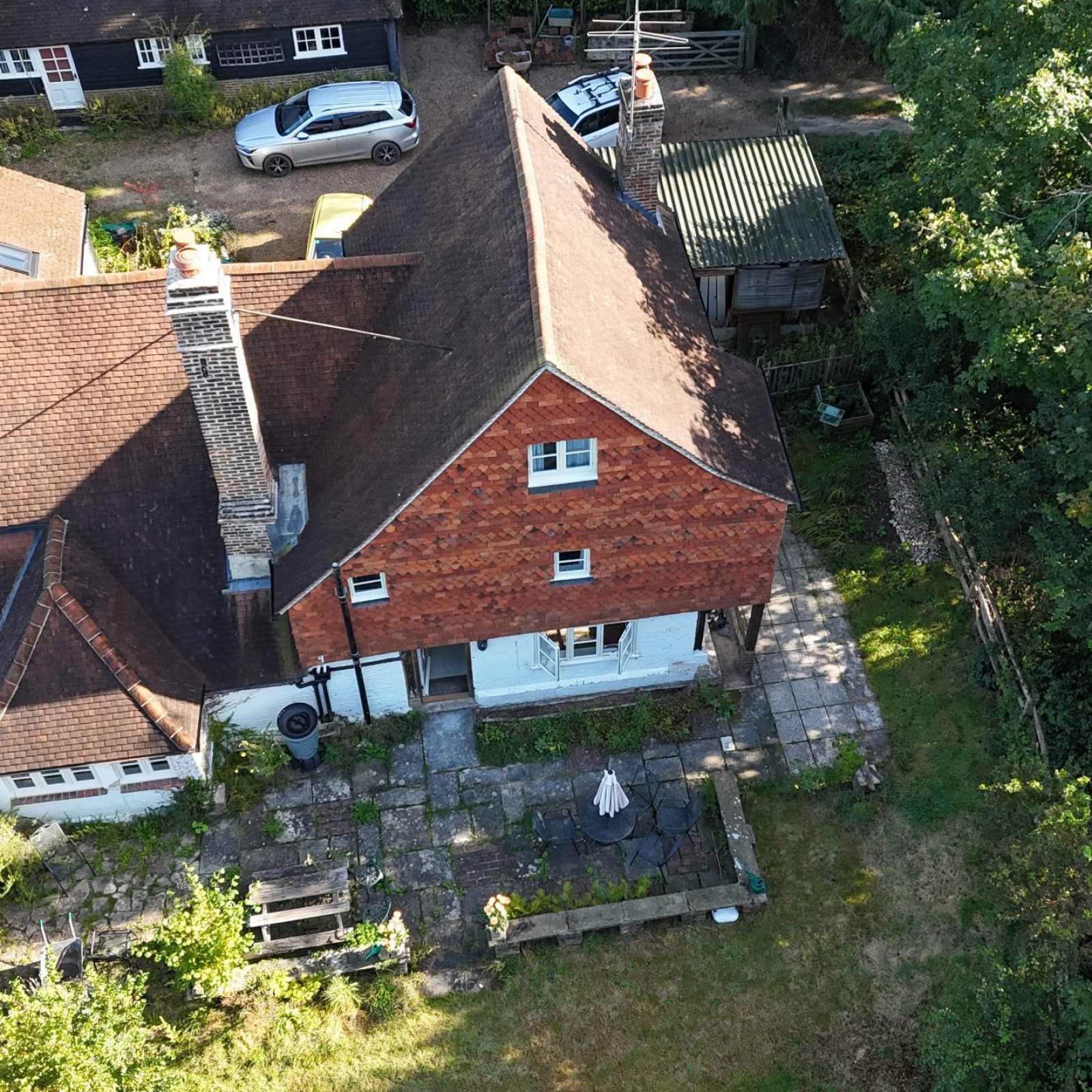
The property had not been designated either a national or local listing status, nor did it fall within a conservation area, however Six Heritage were of the opinion that despite this, the property still displayed architectural details that contributed to the historic aesthetic and cultural heritage of the local area. It was evident that the property had been subjected to numerous campaigns of relatively localised ‘ad hoc’ remedial works, as historical materials succumbed to degradation and decay. Certain materials and remedial elements used to counter perceived issues at the time had unfortunately led to several compounding factors accelerating mechanisms that were detrimental to the structural materials.
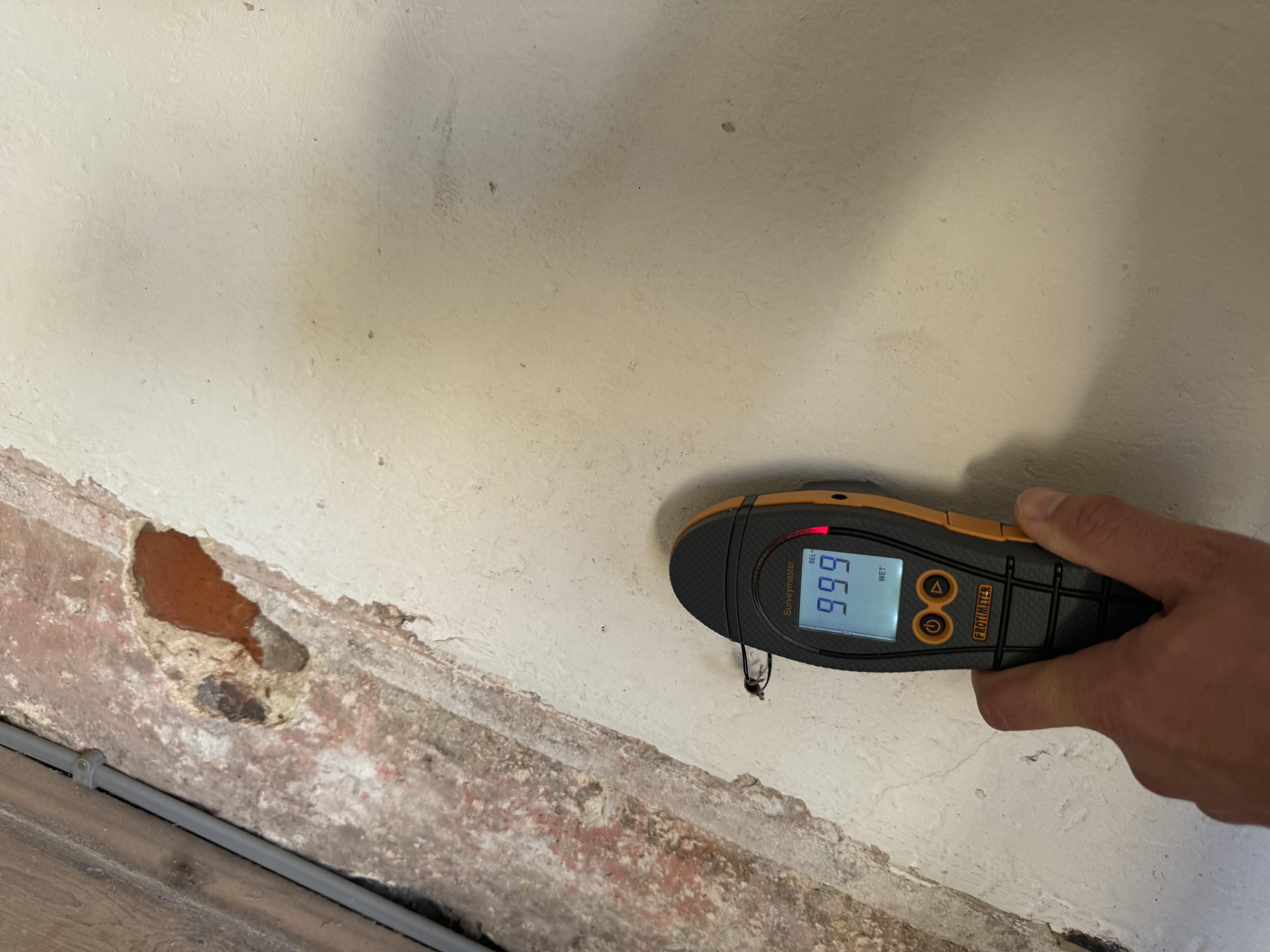
During our first visit we investigated the presence and effects of certain contemporary impermeable materials, later remedial masonry elements and the design detailing of ground surface and sub-ground drainage utilities, which were reported to be leading to significant internal moisture ingress. Our second visit saw us build upon the previous investigations, as we undertook a detailed assessment of exposed structural timber elements and any negative effects that may have subsequently occurred to adjoining internal structural timber members.
Both investigations identified a slew of issues that warranted swift intervention to prevent further, worsening complications arising.