We are available throughout the Christmas period. Don't hesitate to enquire today.

Under the lamp

Case study

In October of 2024, Six Heritage was commissioned by private clients to undertake a specialist damp and water ingress assessment of a Grade II listed property located in Twickenham. The survey focused on identifying the sources of moisture ingress and making conservation-led recommendations for mitigating existing damp and decay, while maintaining the building’s historic integrity.

Author

Matthew Amis

Service

Water ingress and damp survey, roof and drainage condition assessment, environmental diagnostics, and masonry sampling

Completion

October 2024

Client

Private owner

Twickenham, London
Twickenham, London

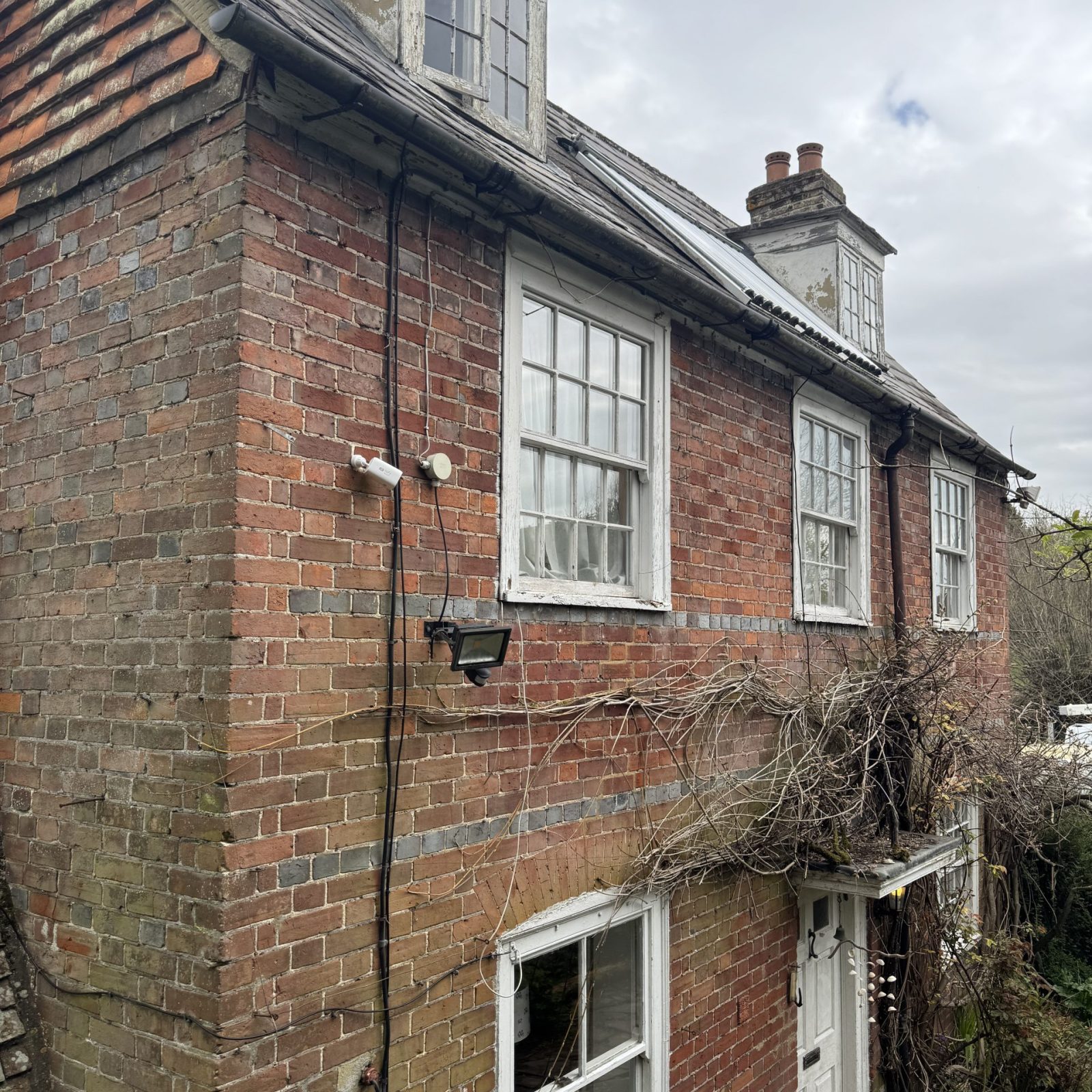
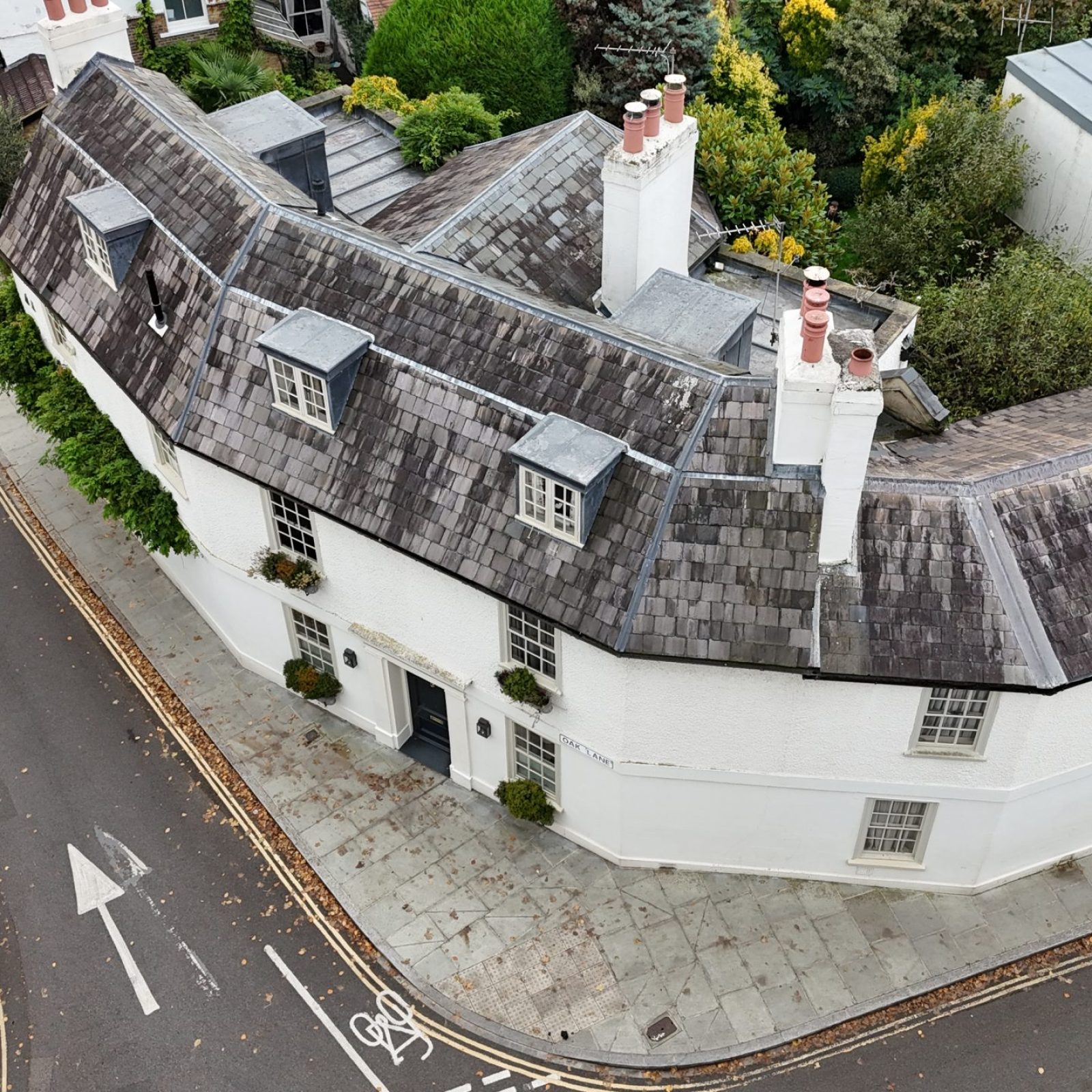
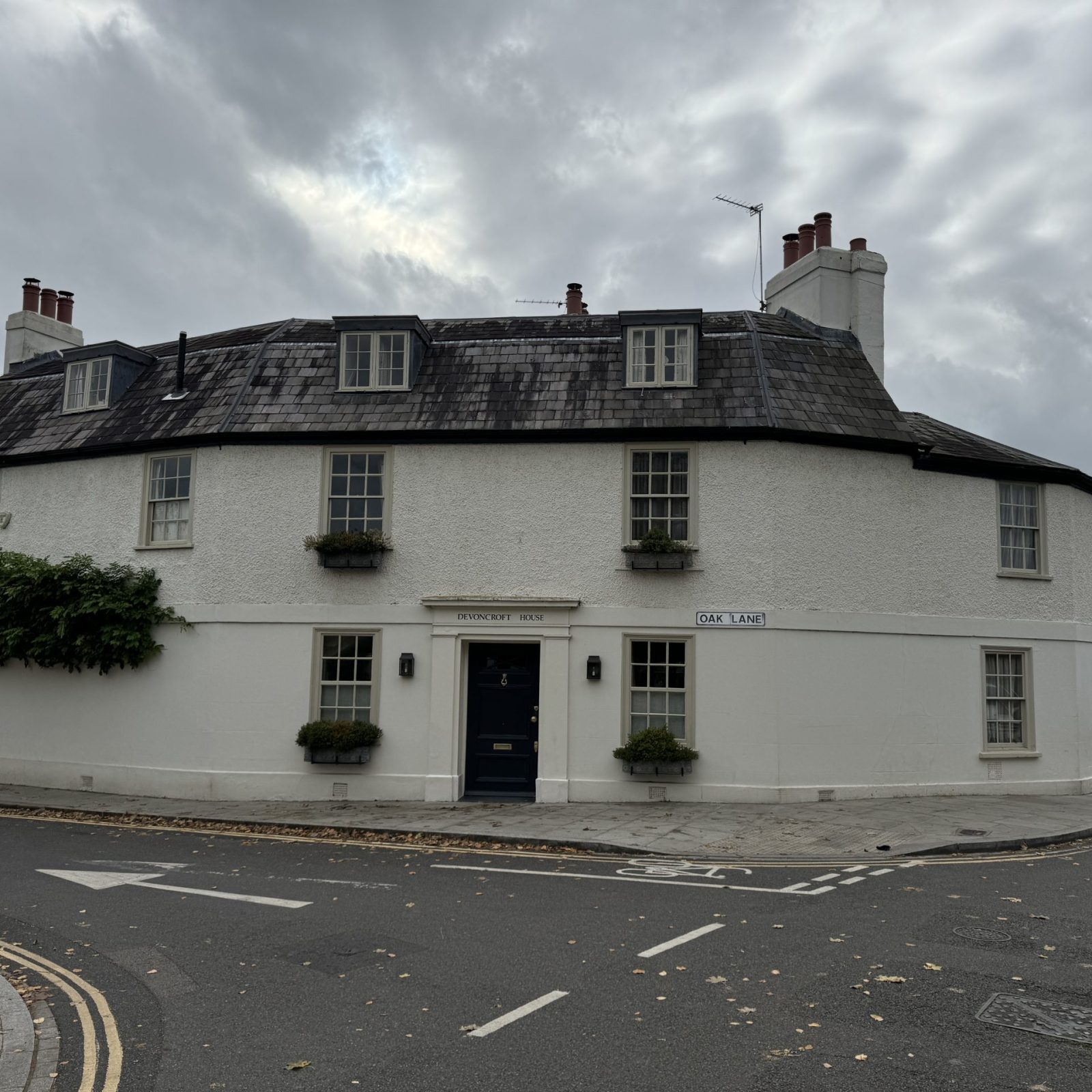
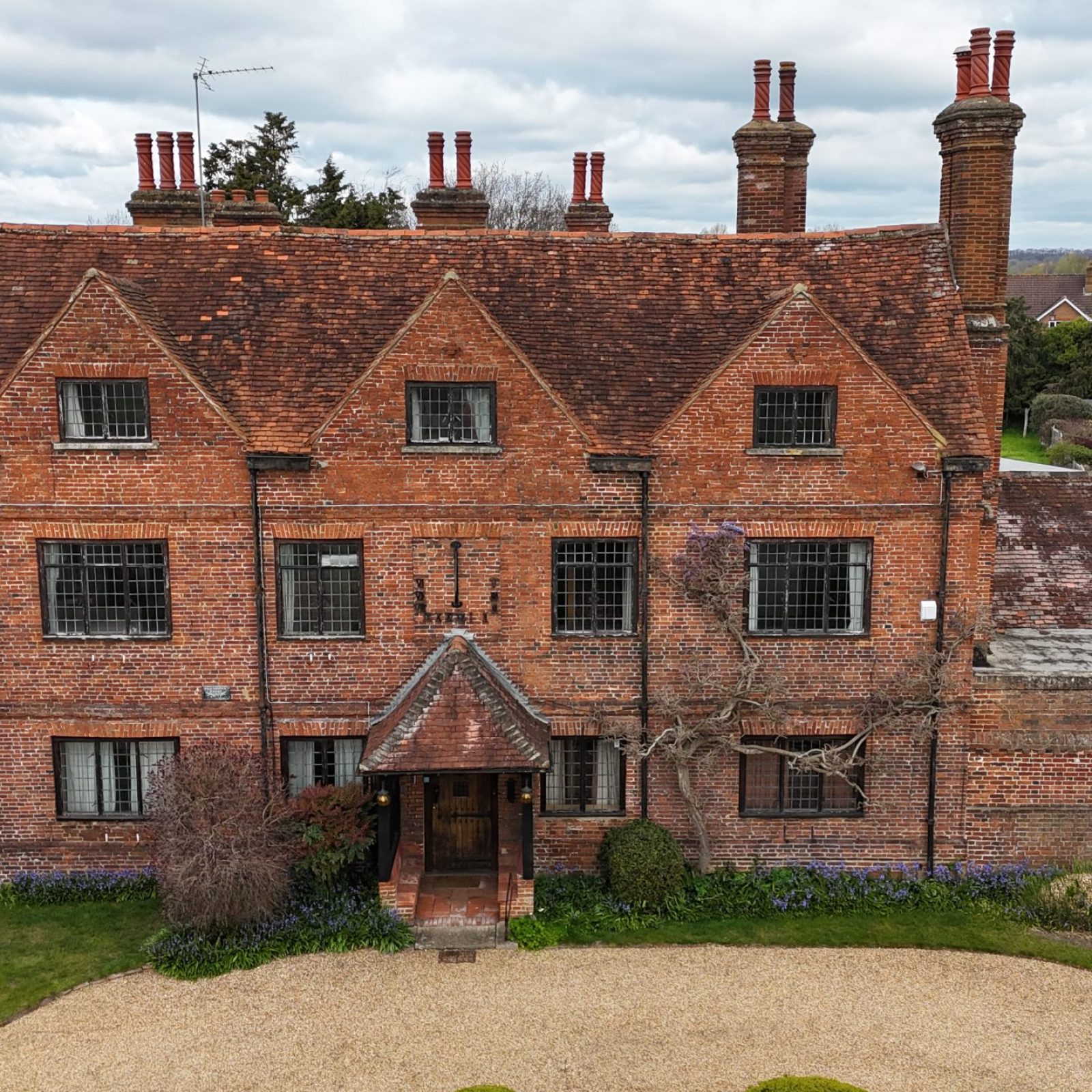
An early 18th-century, Grade II listed building located in the Amyand Park Road Conservation Area. The house had a complex refurbishment history and had been subdivided, re-rendered, and tanked in multiple phases. Despite its considerable charm and historic interest, long-standing issues of water ingress and associated damp had begun to affect both internal finishes and the structural fabric.

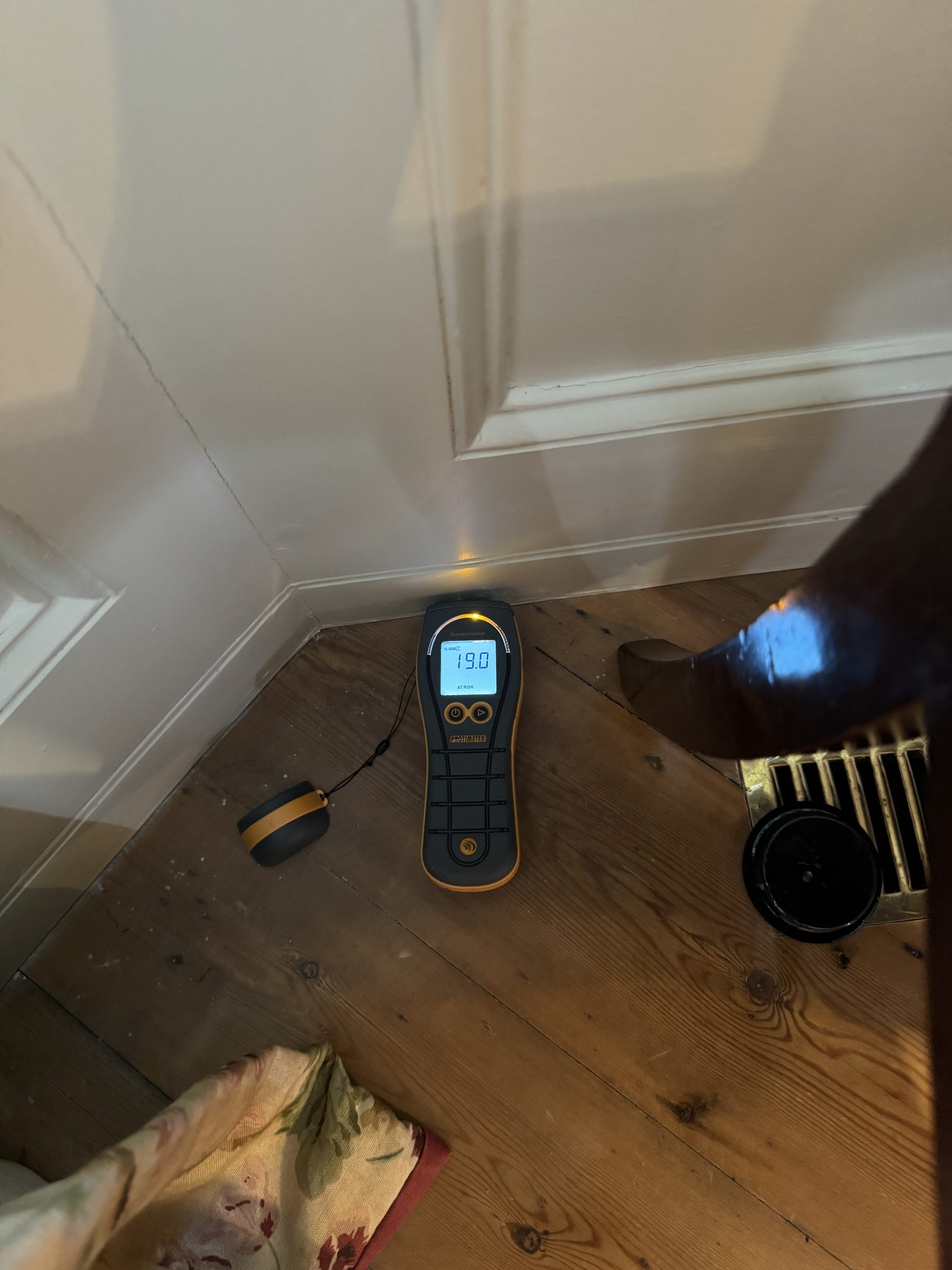
Six Heritage were instructed to carry out a holistic investigation to assess the condition of the external envelope, internal damp issues, and the efficacy of rainwater and drainage systems. This included the use of non-invasive tools, masonry sampling for gravimetric analysis and thermographic imaging, to understand the full extent of moisture ingress and its causes. Active water ingress was identified in several key areas, including the lead-lined flat roofs to the east and west of the building, as well as the basement level.
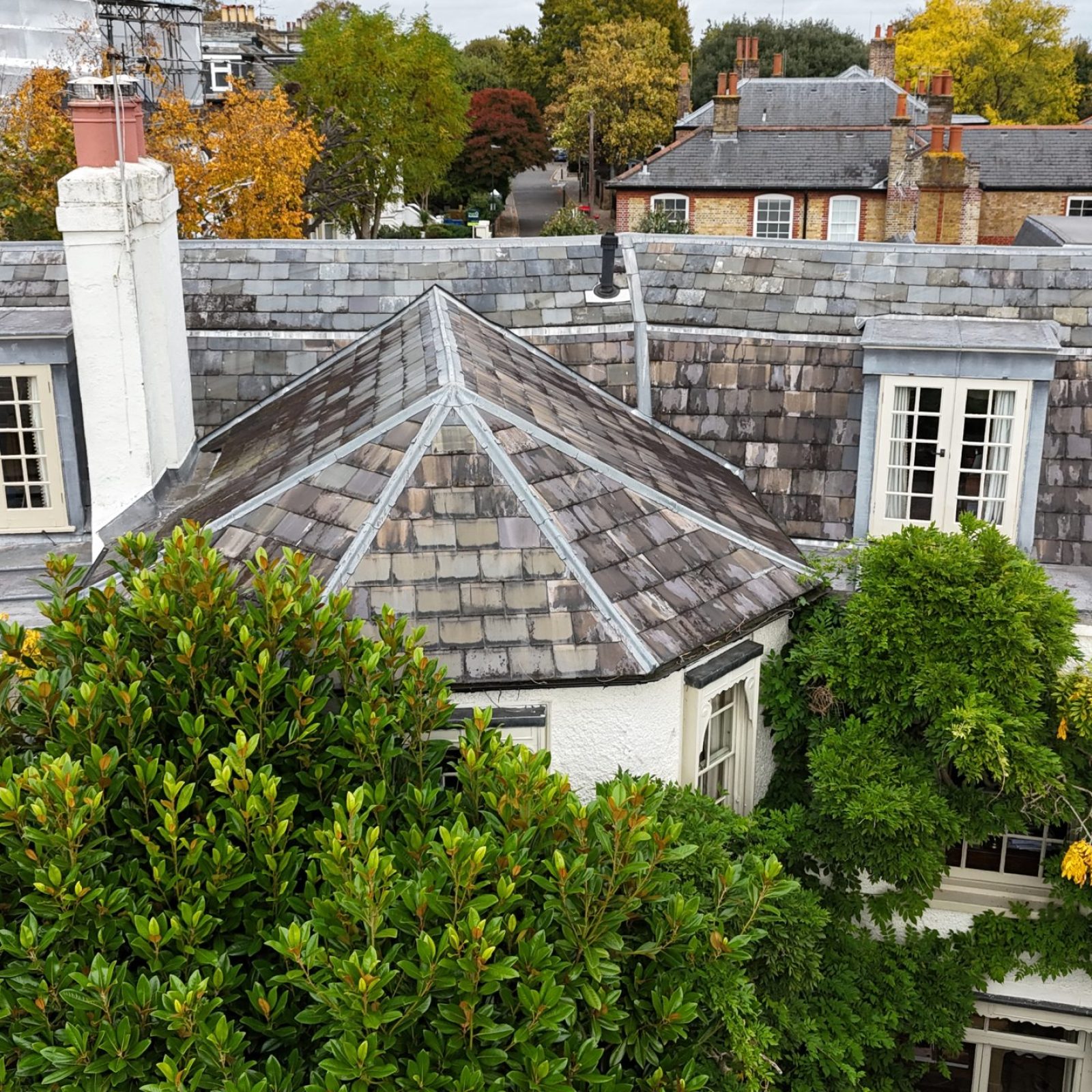
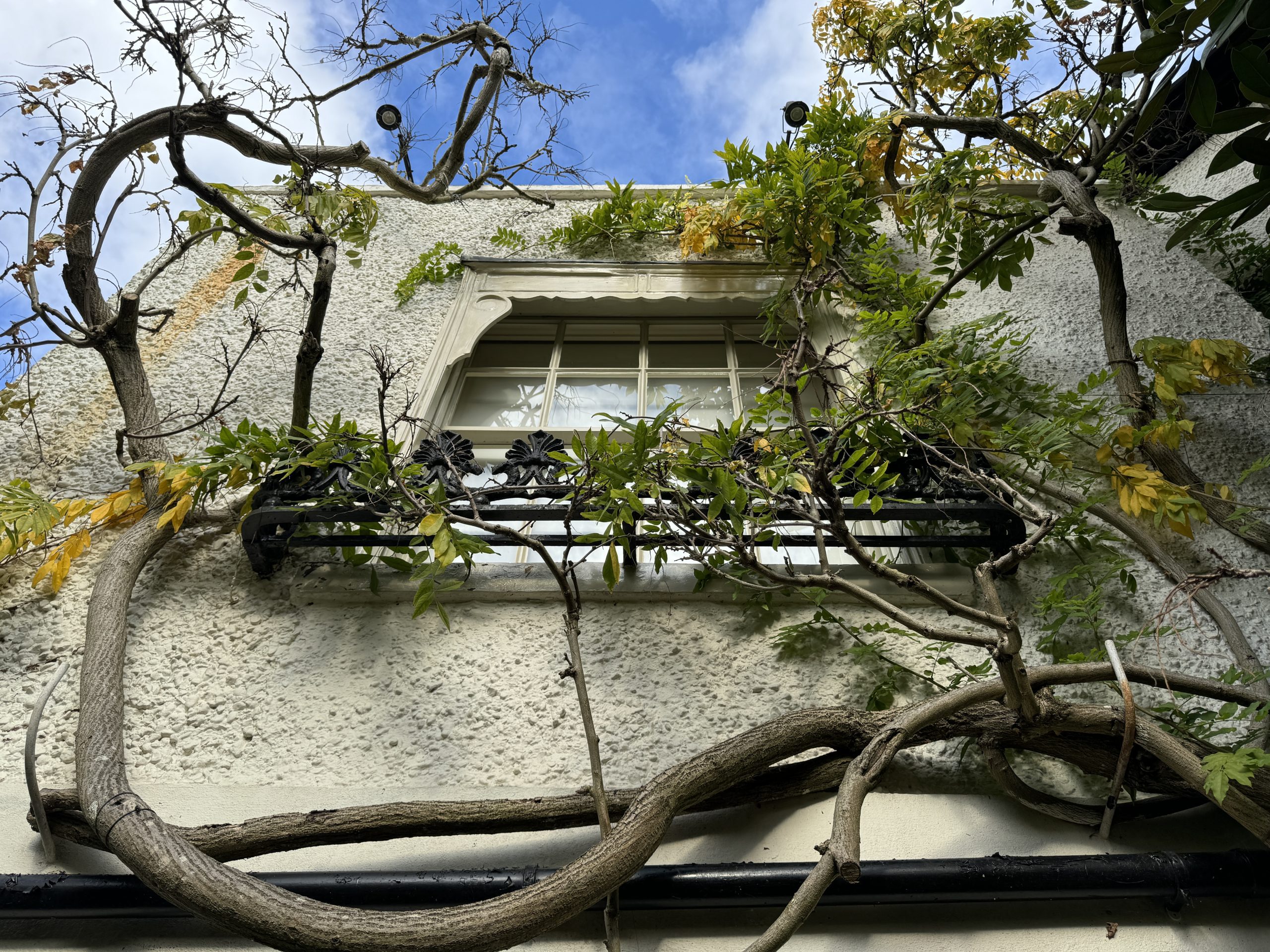
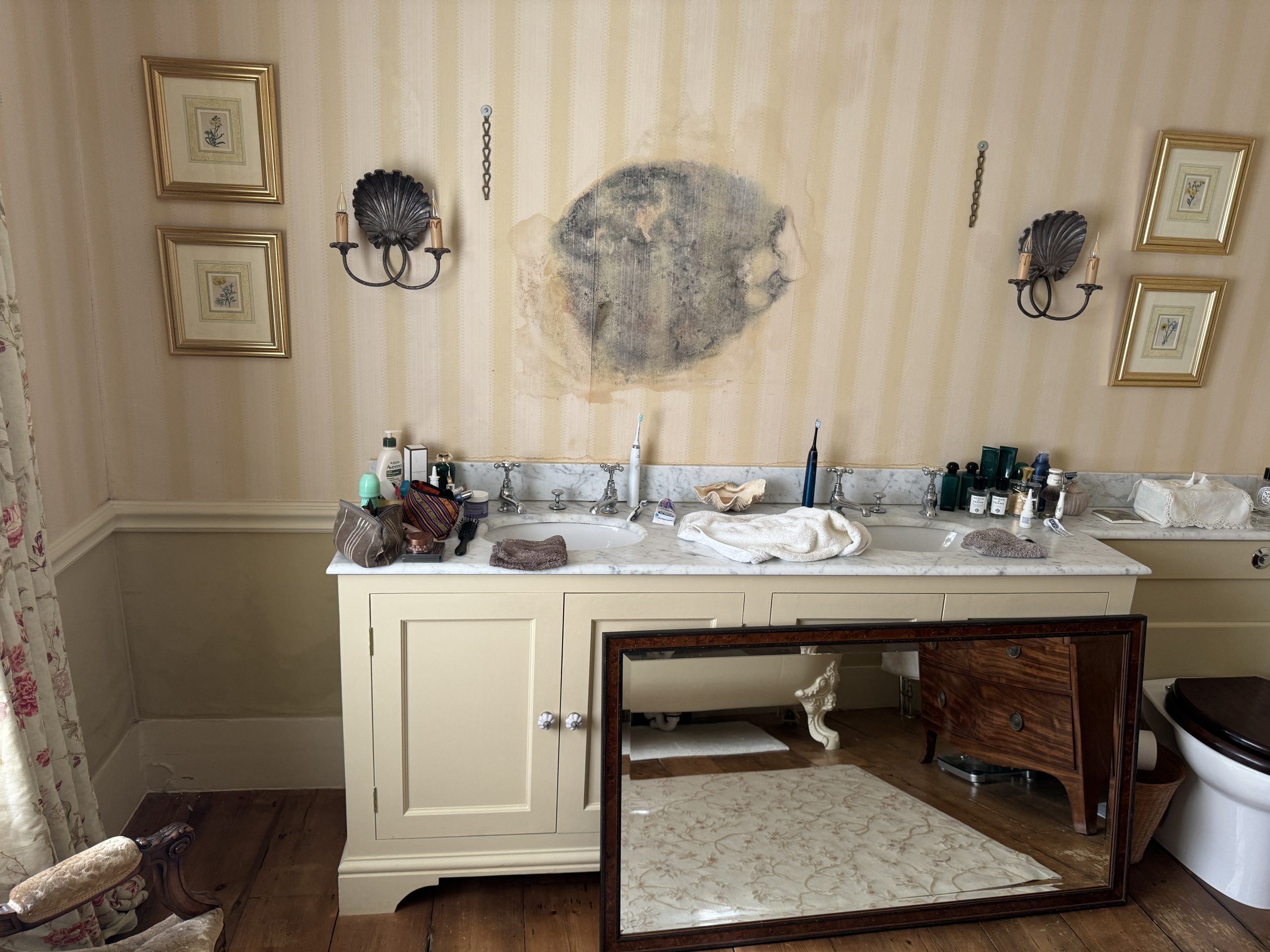
In both flat roof areas splits in the lead sheeting, poor detailing to upstands and blocked parapet hoppers had led to visible damp staining and mould growth internally, in the rooms below. Patch repairs to the leadwork had failed in several areas and plant growth within the adjacent masonry indicated chronic saturation.

Six Heritage advised that wholesale repair and replacement be undertaken to the leadwork, along with regular maintenance of the rainwater goods. Interior finishes affected by damp were to be left until moisture ingress was resolved. Redevelopment strategies included the use of breathable plaster and mineral-based paint systems to accommodate ongoing drying and salt migration.

Twickenham, London

Context and materials – Management of damp in historic basements

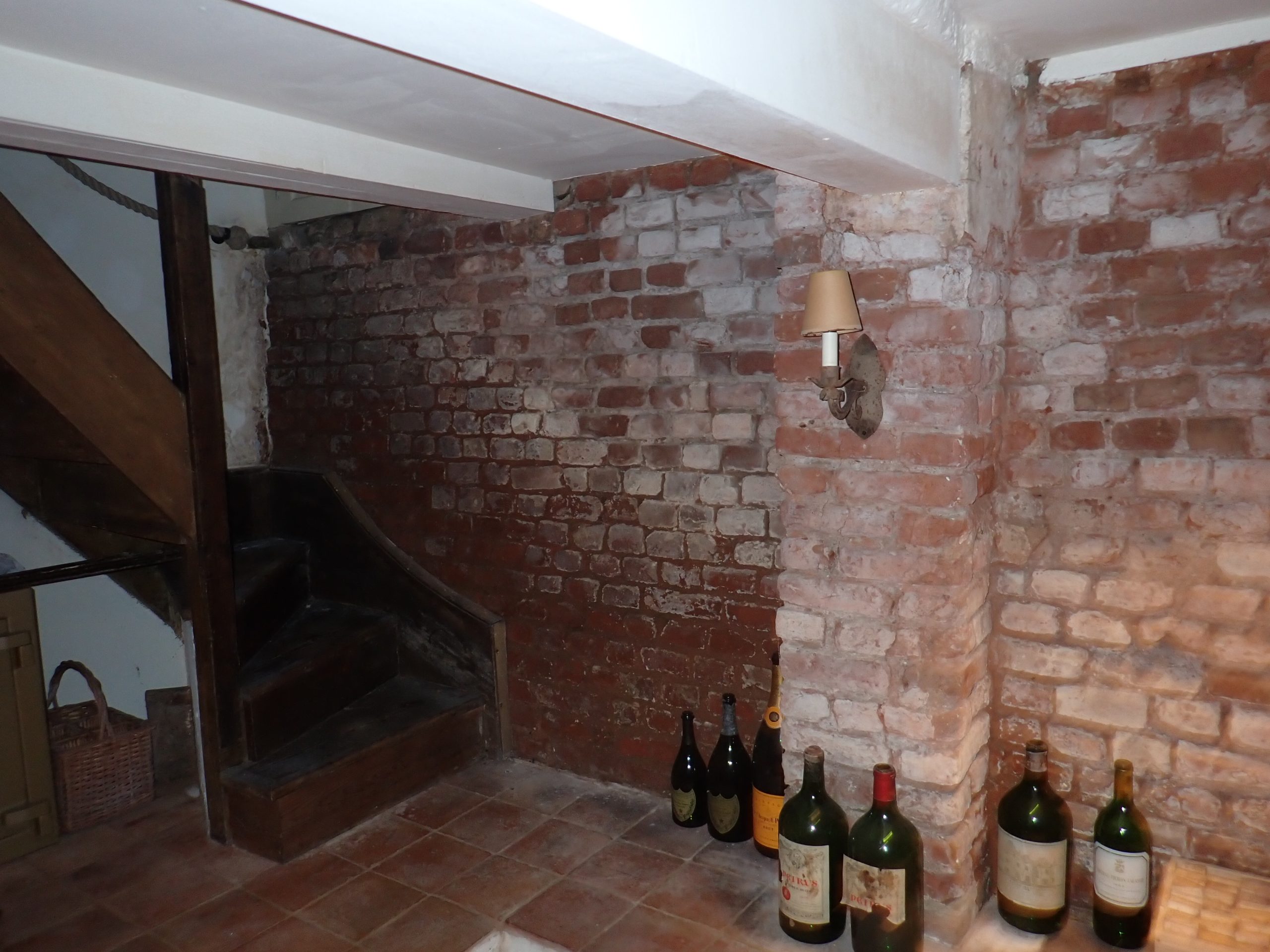
The basement/cellar had been subject to intermittent water ingress and retained high relative humidity (just under 80% at the time of survey). Historic tanking with cementitious render had impaired drying and encouraged surface mould growth. Unsealed pipe penetrations and lack of adequate ventilation exacerbated these issues.

Six Heritage discouraged the use of additional tanking measures. Instead, it was recommended that the space remain as a storage or utility zone in line with BS 8102:2022 guidance. Where refurbishment was necessary, it was suggested that ventilated dry-lining systems or vapour-permeable finishes be used. Improvements to ventilation using through-wall ‘periscope’ vents and clearing of sub-floor airflow pathways were strongly advised.

Moisture mapping, combined with gravimetric laboratory analysis, confirmed that while some areas remained damp, many were now inactive but continued to exhibit high hygroscopic salt concentrations. These salts, left unchecked, could perpetuate damage to interior finishes by attracting airborne moisture.

To mitigate this, Six Heritage recommended the complete removal of impermeable paints, refurbishment using hydraulic lime plasters, and the installation of breathable paint systems or other traditional permeable materials. Particular care was to be taken to isolate all new timber elements from damp masonry using ventilated air gaps or continuous damp-proof materials.

Other projects

Get in touch with us today