We are available throughout the Christmas period. Don't hesitate to enquire today.

Under the lamp

Case study

In October 2025 Six Heritage carried out a preliminary risk management and condition survey of Crepping Hall, a nationally significant Grade I listed property, to identify damp and decay issues, relevant building defects and latent risks ahead of anticipated ownership.

Author

Matthew Amis

Service

Preliminary risk management and condition survey, including appraisal of damp and water ingress, roofscape and rainwater goods, façades, basements/cellars, structural vulnerability, joinery condition, and risk-led remedial advice

Completion

October 2025

Client

Private Client

Wakes Colne, Essex
Wakes Colne, Essex

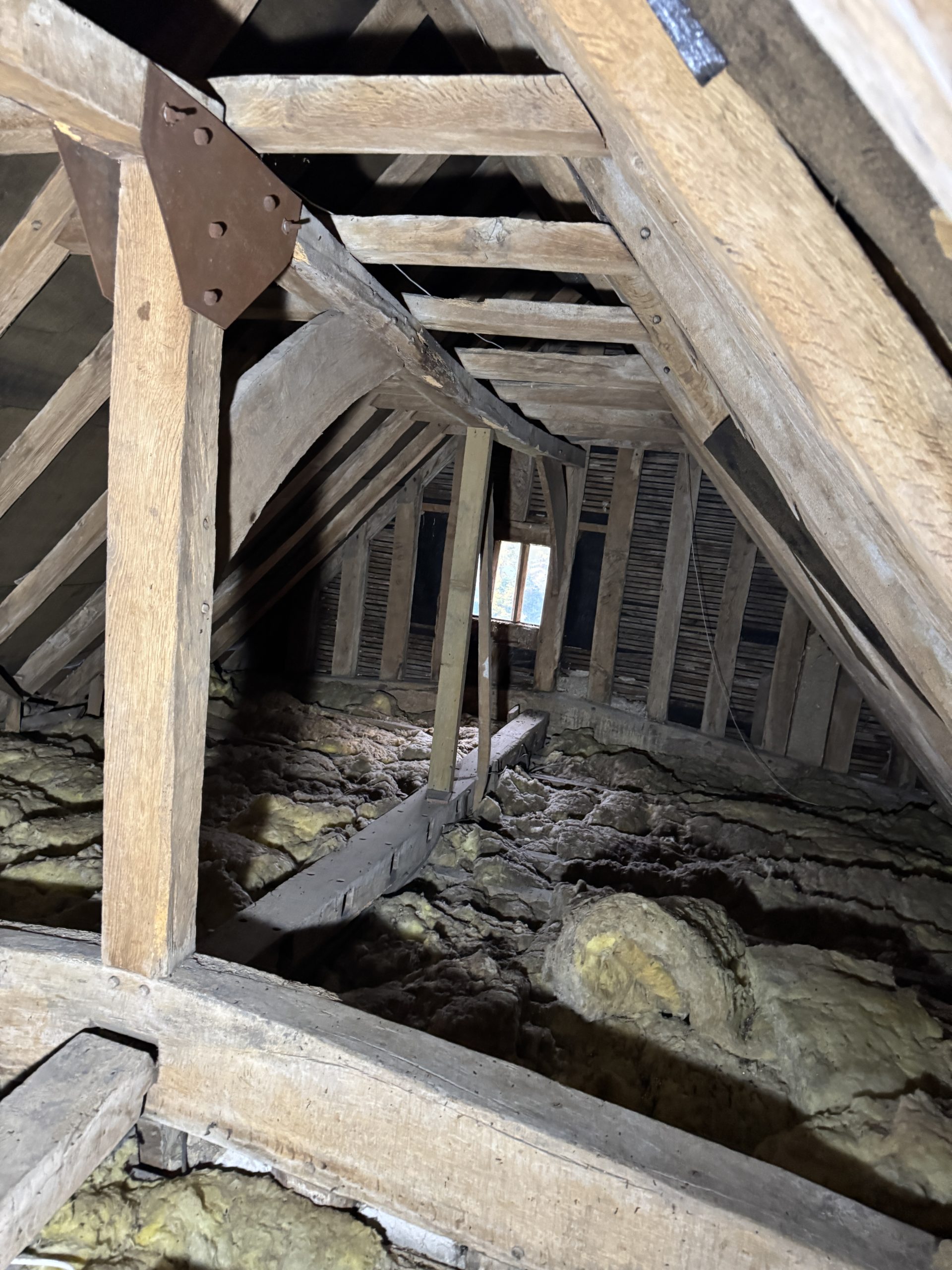
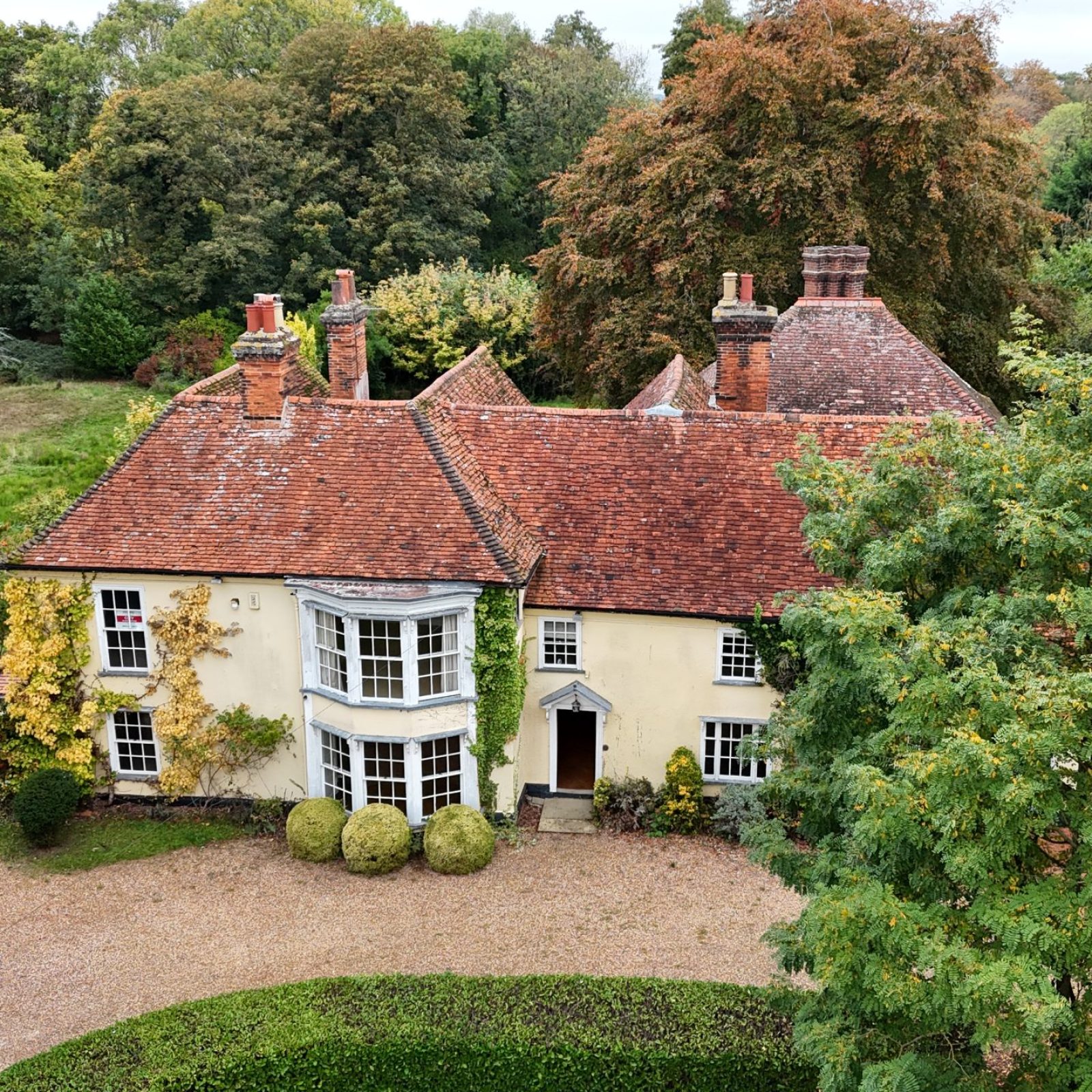
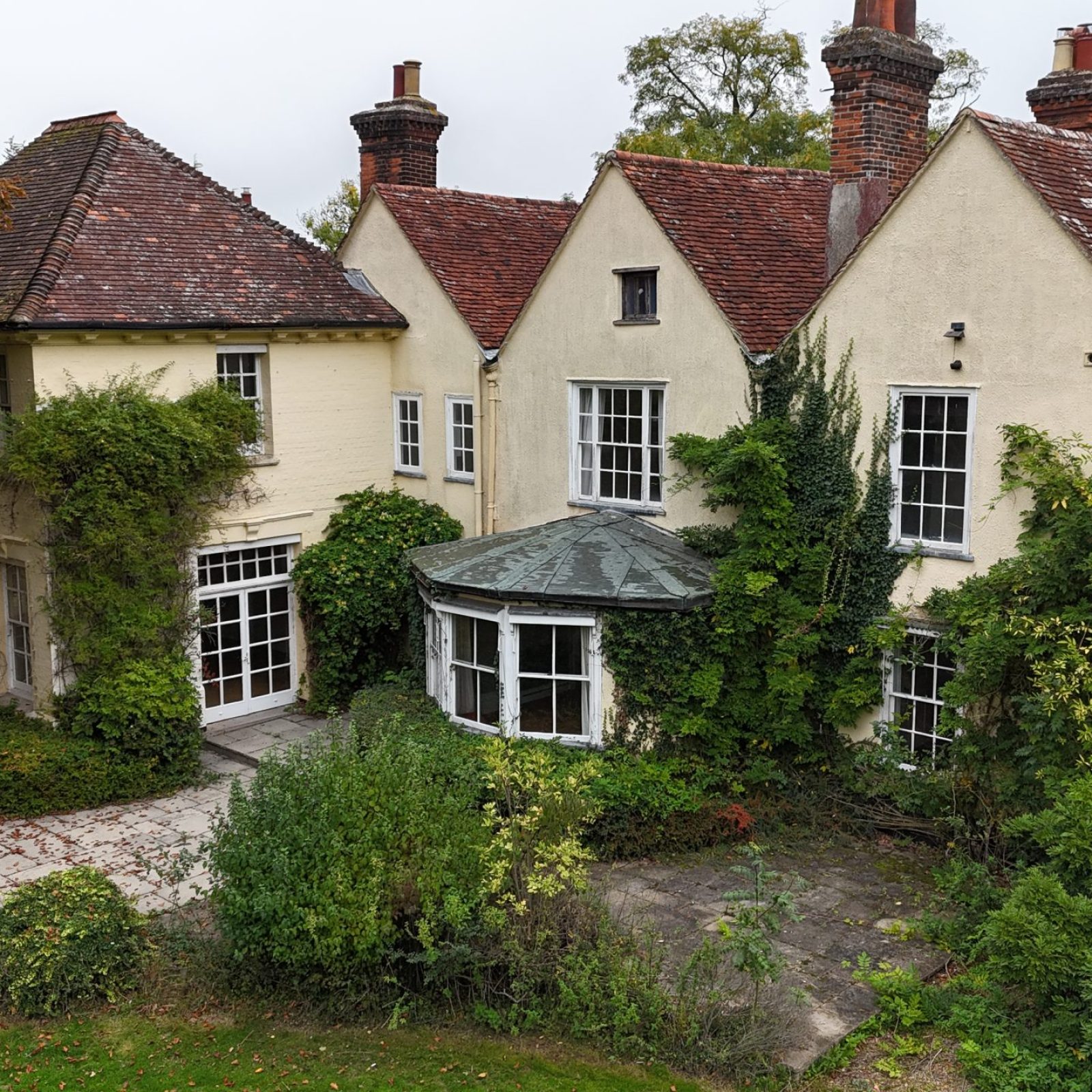
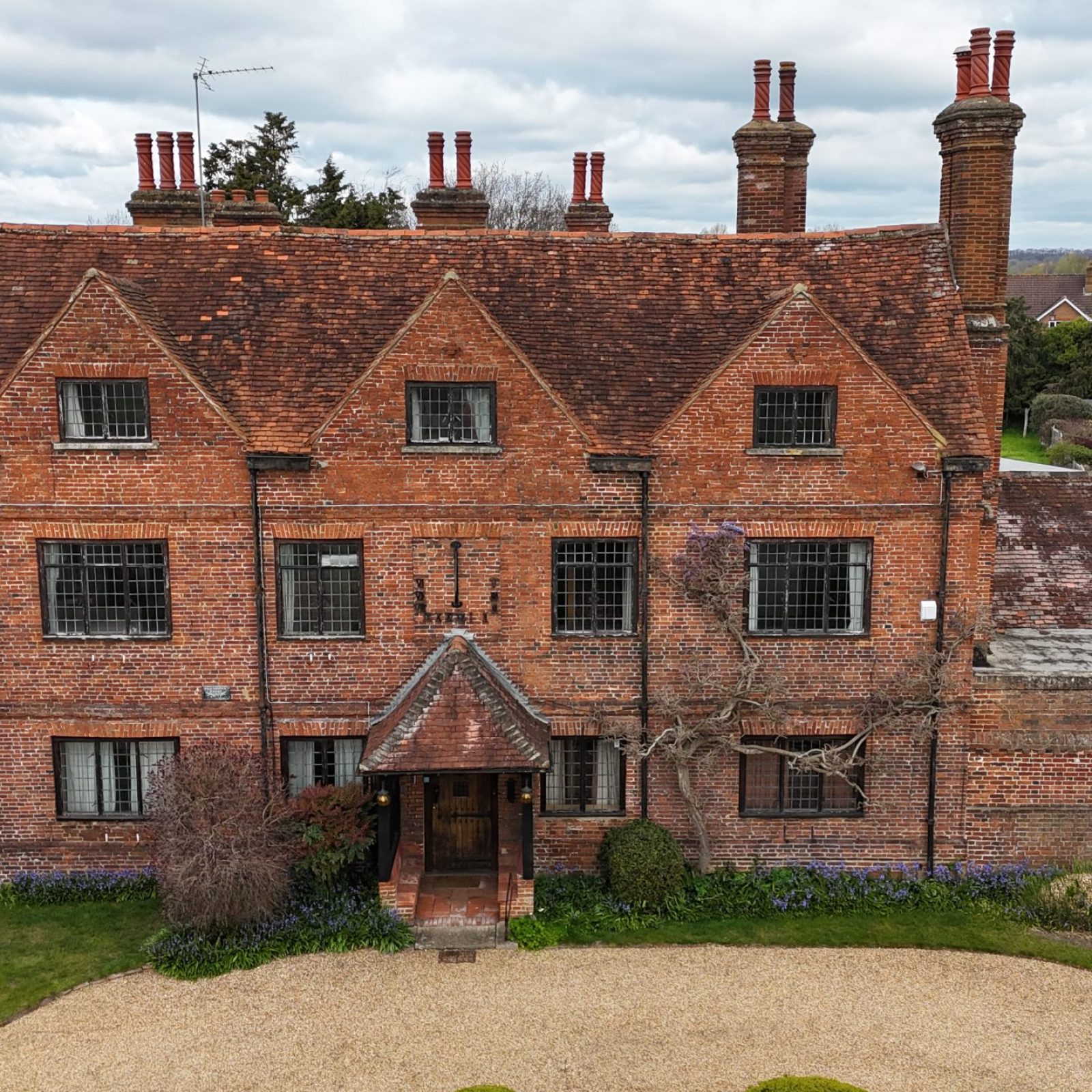
Crepping Hall is a rare and highly significant Grade I listed domestic building, located in Wakes Colne, Essex. The property is understood to be an early “open hall” house with aisles, retaining historic timber framing and a crown post roof structure, placing it amongst a very small proportion of listed buildings in England.

Six Heritage was instructed to provide a pre-purchase condition survey focused on building pathology and risk management. Given the age and timber-framed nature of the building, the risk of concealed defects was inherently elevated, particularly as large areas of the frame were concealed behind interior and exterior finishes. The lack of recent occupancy had further increased vulnerability by reducing routine maintenance, inspection and ventilation, allowing defects to develop unnoticed.

A holistic inspection was undertaken to identify active defects, likely decay mechanisms and areas of latent risk, enabling the client to plan cost-effective, environmentally responsible and historically sensitive remedial strategies, aligned with conservation best practice for Grade I listed buildings.
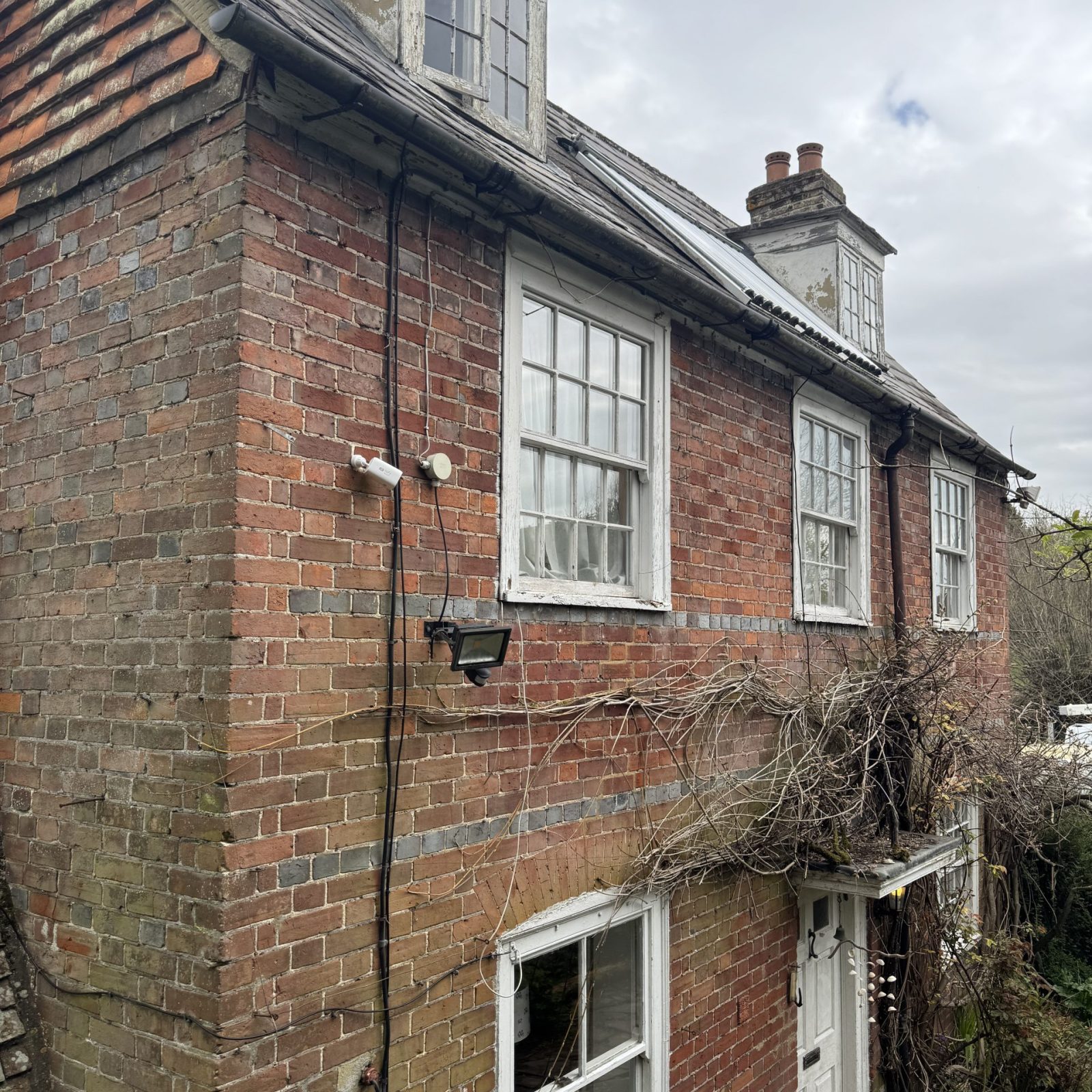
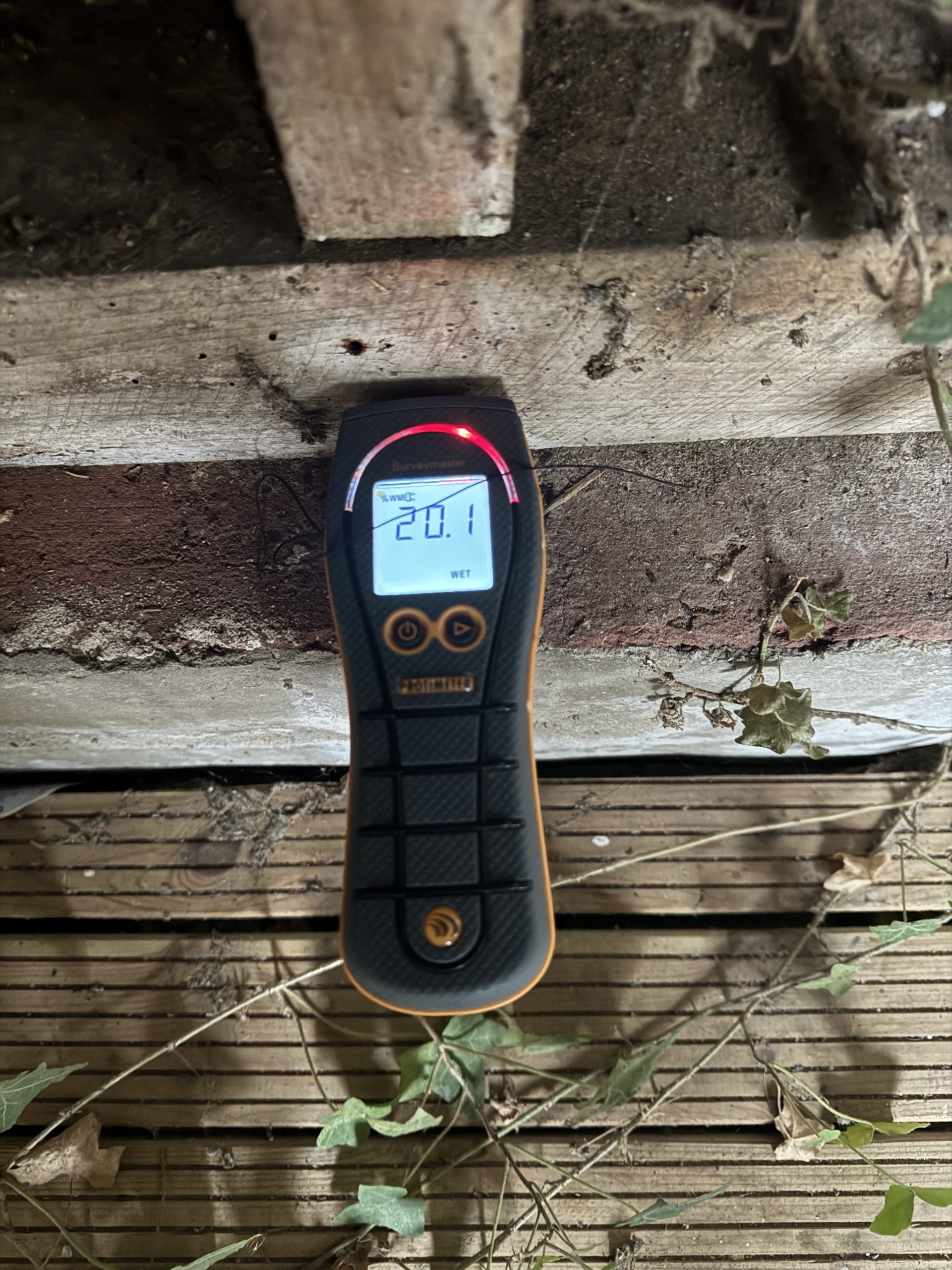
The survey identified localised dampness rather than widespread active water ingress. Damp-affected finishes were noted at first floor level to the south-west, associated with exterior defects, and elevated surface moisture readings were also recorded at ground floor level in several locations, suggesting risks associated with elevated external ground levels and/or ineffective or blocked ground surface drainage. Both cellar/basement areas to the north and south were damp affected due to limited ventilation and their sub-ground position, with risks compounded in places by inappropriate past tanking.

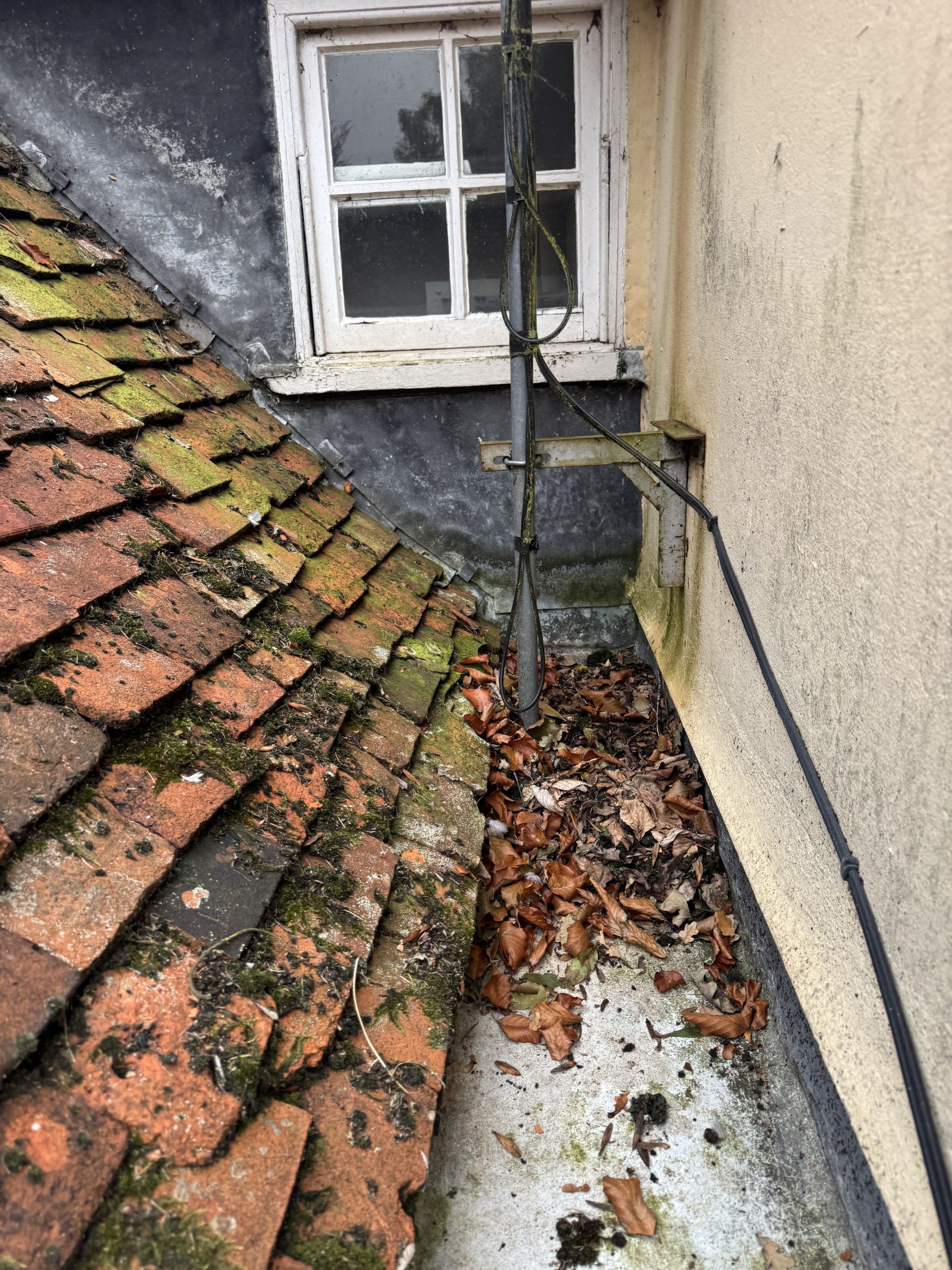
High-level elements were found to have undergone repeated repair and refurbishment. Localised defects to roof coverings included slipped, damaged or missing tiles, and roof pitches affected by biological growth were considered vulnerable to blockage and overflow. Rainwater goods were affected by climbing vegetation and localised corrosion, and some modern PVCu components were noted as inappropriate for the listed status and limited in service life.

Façades were predominantly rendered over lath to timber framing, with localised cracking increasing vulnerability to moisture ingress. Climbing vegetation was a significant issue, concealing large areas of the façade and contributing to blockages, including a hopper serving a roof valley to the south-west which had resulted in visible internal dampness in that area.

Wakes Colne, Essex

Six Heritage recommended an initial programme of preventative maintenance and targeted repairs, prioritising clearance of rainwater goods, vegetation management, and localised repairs to defective roof finishes and guttering to reduce moisture risks in the short term. In parallel, early engagement with the Local Planning Authority and Conservation Officer was advised due to the Grade I listing, alongside input from a Structural Engineer to review cracking and key structural concerns—particularly the significant crack to the kitchen chimney-stack, which was recommended for monitoring.

No chemical damp-proofing or timber treatment systems were recommended. Instead, advice focused on managing moisture sources, improving ventilation, and using breathable, compatible repair materials and conservation-led approaches. The findings provide a robust evidence base to support informed decision-making ahead of purchase and to guide future conservation-led repair and refurbishment of this exceptionally significant historic property.

Context and materials – Timber framing, ventilation, and risk in Grade I buildings

As a Grade I listed timber-framed building with a complex history of alteration and extension, Crepping Hall is inherently vulnerable at junctions between different materials and construction phases. Where ventilation is restricted and moisture is able to accumulate, concealed timber elements—particularly sole plates at the base of perimeter walls, embedded bearings, and inaccessible roof members—are at increased risk of decay.

The survey also identified evidence of bats within the principal roof void. This has important implications for future maintenance and refurbishment works, as protected species constraints may affect access, programming and statutory approvals for roof-level interventions.

Other projects

Get in touch with us today